sphagnum Care (Sphagnum teres)

Also known as: Rigid Bog-moss
sphagnum

About sphagnum

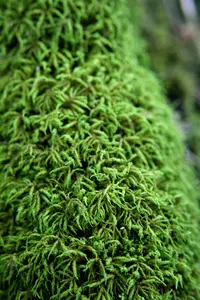
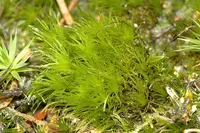
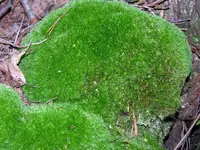
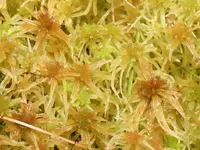
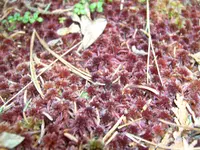
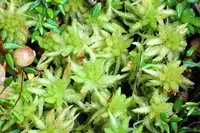
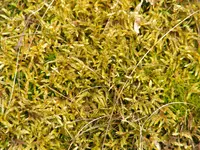
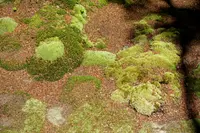
Sphagnum teres is a moss species that forms soft, dense carpets rather than upright stems or leaves. It has fine, absorbent shoots that hold large amounts of water. This species is typically found in cool bogs, fens, and other wetland habitats across northern temperate regions. It often grows in nutrient-poor, acidic conditions alongside other bog plants. Its slow, steady growth and high moisture demand can make it more challenging to cultivate than many common houseplants. Understanding how to care for sphagnum starts with providing constant moisture, good air flow, and diffuse light that mimic its natural bog environment.

Main Plant Requirements

Care Difficulty

Hard Care

Light Preference

Partial Shade

Water Requirements

Aquatic

Temperature Preference

Cool Climate

Hardiness Zone

3–7

Soil Texture

Peaty, Organic-rich, Silty

Soil pH

Strongly acidic (4.5–5.5)

Soil Drainage

Waterlogged tolerant

Fertilization

Minimal (feed rarely)

Get Personalized Care Plan

Scan your plant to receive care tips personalized for your specific plant

Available on iOS and Android

How to Care for the sphagnum

This moss prefers bright, indirect conditions that mimic open, cool bogs.

  • Provide 3–6 hours of soft morning sun with dappled or filtered light for the rest of the day; avoid intense midday exposure.
  • Tolerates light partial shade, but dense shade for many weeks leads to pale, elongated growth and thinning cushions in Sphagnum teres.
  • In summer, protect from hot, direct afternoon sun to prevent bleaching and drying; in winter, trim back surrounding vegetation so low sun can still reach the moss.

This species is adapted to constantly wet, low-nutrient bog conditions and must never dry out.

  • Keep the substrate saturated or very soggy at all times; standing water 1–5 cm deep around the moss is usually suitable for Sphagnum teres.
  • Use rainwater, distilled, or very soft water; hard, mineral-rich water causes crusty deposits and browning tips over time.
  • Watch for gray, crispy patches as a sign of drying; foul odor, slimy texture, or blackened stems suggest stagnation and benefit from gentle water movement or periodic flushing.

This moss is cold-tolerant and favors cool to mild temperatures.

  • Optimal growth occurs around 50–68°F (10–20°C), especially when combined with high humidity and constant moisture.
  • Tolerates winter cold down to about 14–23°F (-10 to -5°C) if kept wet and not exposed to drying winds, though growth slows or pauses.
  • Above 77–86°F (25–30°C), growth weakens; provide shade, ample water, and air movement during heat waves, and avoid any risk of drying at high temperatures.

This moss needs consistently high humidity to remain healthy and actively growing.

  • Aim for 70–90% humidity; anything below 60% quickly dries tissues and slows growth.
  • Low humidity shows as pale, crisp tips and shrinking, wiry stems that fail to rehydrate fully.
  • Use covered trays, terrariums, or frequent fine misting to keep sphagnum evenly moist in moving air.

This species thrives in saturated, oxygen-poor, organic substrates rather than mineral-based potting soils.

  • Use a deep layer of pure, clean sphagnum teres or mostly sphagnum with a small amount of peat; avoid barky, chunky, or sandy mixes.
  • Keep the substrate waterlogged but not stirred, allowing it to stay soft, spongy, and cohesive for stable growth.
  • Maintain acidic conditions around pH 3.5–5.5; do not add lime, compost, or fertilizers that raise pH or salinity.
  • Grow Sphagnum teres on top of the substrate surface, not buried, so the capitula receive light and air while the base stays saturated.

This moss is suitable for container culture when moisture and stability are carefully managed.

  • Choose a wide, shallow container to maximize surface area for spreading mats while keeping water levels easy to control.
  • Use solid-sided plastic or glazed ceramic to slow evaporation and maintain a stable, consistently wet substrate layer.
  • Place the container in a larger waterproof tray to hold a constant shallow water reservoir without flooding the moss surface.

This moss is adapted to nutrient-poor habitats, so Sphagnum teres requires minimal fertilization under normal conditions.

Pruning needs are minimal, mainly to keep Sphagnum teres mats tidy and healthy in cultivation.

  • Trim away brown, dead, or decomposing tips using disinfected scissors to limit rot spread.
  • Thin out dense, crowded patches to improve airflow and reduce fungal problems.
  • Shape uneven cushions lightly, removing only the uppermost growth to preserve active green tissue.
  • Discard removed material that looks slimy or smells sour instead of reusing it.

Transplanting Sphagnum teres focuses on maintaining constant moisture while disturbing the clump as little as possible.

  • Plan moves in cool, mild weather during active growth, avoiding very hot or freezing periods.
  • Transplant when growth declines, the mat lifts easily from its base, or the container surface is fully crowded.
  • Lift and move whole pads with attached substrate, keeping them saturated and shaded during the process to limit stress.
  • Set clumps onto fresh acidic, water-retentive medium, press gently for contact, then keep evenly wet for several weeks.

Propagation of Sphagnum teres is commonly done by division of living green cushions.

  • Divide healthy, bright-green mats into small plugs by gently pulling sections apart by hand.
  • Carry out division in spring or early summer when light and moisture are stable.
  • Place plugs on acidic, saturated but not submerged medium under bright, indirect light for best establishment.
  • Maintain constant high humidity and avoid strong air movement until new growth is clearly visible.

In suitable climates, this moss is fairly cold hardy and usually needs little specific winter care.

  • In outdoor bog beds, maintain waterlogged, unfrozen substrate by avoiding complete drainage before freezes.
  • In very cold regions, add a loose mulch of pine needles or leaves around the bog edge, not smothering the moss surface.
  • For container cultures, move trays into a cold, bright, frost-free space and keep the medium consistently damp.

Care Tips

Layered Moss Beds

Build a shallow tray with 3–5 cm of inert base material (washed sand or perlite) under the moss so water can move freely and the growing layer stays evenly moist but not stagnant.

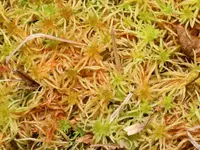
Soft Water Management

Use rainwater or reverse-osmosis water and occasionally flush the tray thoroughly to prevent mineral buildup, which quickly damages the fine stems and reduces long-term vigor when growing sphagnum.

Cool-Air Circulation

Provide gentle, continuous air movement over the colony with a small fan set on low to reduce fungal issues while keeping the air cool and moist rather than breezy and drying.

Seasonal Light Downgrade

In warm months, reduce light intensity slightly or add thin shade during midday to limit heat stress, since this species performs best when light is bright but tissue temperature remains cool.

Clean Propagation Tools

Always rinse and disinfect scissors, tweezers, and trays before dividing or relocating clumps to limit the spread of algae, moss mites, and fungal spores in dense cultures.

Everything About sphagnum

Common Pests and Diseases

Fungus gnats

These insects thrive in constantly wet sphagnum mats and their larvae feed in the upper substrate layer. Symptoms include small black flies hovering above the moss surface and fine grazing damage to new growth.

Solution

Allow the surface to dry slightly between heavy soakings while keeping the deeper layer moist, then use yellow sticky traps to catch adults and apply a biological control with Bacillus thuringiensis israelensis (BTI) or predatory nematodes to reduce larvae populations without harming the moss.

Algal overgrowth

This disease appears as a slimy green film or patches that spread across wet, nutrient-enriched sphagnum surfaces, shading and smothering live shoots. Symptoms include reduced new tip growth and a dull, patchy appearance of the moss carpet.

Solution

Reduce fertilizer and dissolved nutrients in the water, increase light and airflow, and periodically rinse or gently scrape off the algal layer; in trays or terrariums, partial water changes with low-mineral, low-nutrient water help stabilize growth when caring for sphagnum.

Botrytis blight

This disease develops in stagnant, humid conditions and causes pale, collapsing moss segments covered with a gray, fuzzy mold. Symptoms include localized soft, brownish patches that spread outward from dead organic debris left on the moss.

Solution

Remove and discard affected clumps and any decaying plant material, then increase ventilation, slightly lower overall humidity, and avoid water sitting stagnant above the moss; in dense setups, thinning and spacing the mats reduces future outbreaks.

Mite damage

These insects are tiny arthropods that colonize dense, continuously moist cushions, scraping chlorophyll from the soft tissues. Symptoms include fine bleaching, roughened texture, and slow dieback of the upper moss layer, often without visible insects to the naked eye.

Solution

Improve air movement and avoid extreme heat, then rinse the moss thoroughly under a gentle flow of water to dislodge mites; if populations persist, a targeted application of a moss-safe insecticidal soap or horticultural oil with careful rinsing afterward can help control them.

Interesting Facts

Mineral spring specialist

This species is tightly associated with calcareous, minerotrophic fens fed by groundwater rich in dissolved calcium and magnesium, unlike many other sphagnum mosses that favor acidic, rain‑fed bogs.

Patchwork growth pattern

In the field, it often forms low, loose lawns or scattered hummocks mixed with sedges and brown mosses, creating a distinct microhabitat compared with the dense, tall cushions formed by more typical bog sphagna.

Indicator of rich fens

Because it is restricted to base‑rich, low‑nutrient wetlands, its presence is used by botanists and conservationists as an indicator of relatively undisturbed, high‑quality calcareous fen ecosystems.

Botan icon

Did you know?

In several parts of Europe and North America, this species is considered rare or regionally threatened, and its occurrence is used in conservation assessments to prioritize protection of vulnerable calcareous fen habitats.

FAQs about sphagnum

Growth is usually slow to moderate, about 2–5 cm per year in cultivation. Rate depends on constant moisture, cool temperatures, acidity, and light. Disturbance, drying, or nutrient-rich conditions often reduce or completely stop vertical growth.

Grow Healthy Plants with Botan Care

Keep your plants happy and healthy with plant identification, disease detection, and easy care guidance.

Botan plant care app — identify plants on mobile

Explore More Plants