sphagnum Care (Sphagnum fallax)

Also known as: flat-topped bog-moss, Flat-top Bogmoss
sphagnum

About sphagnum

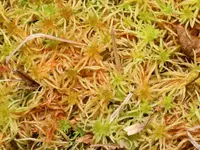
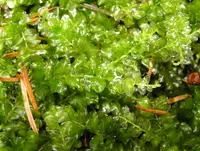
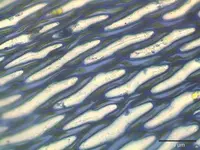
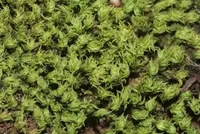
Sphagnum fallax is a moss that forms soft, spongy carpets rather than upright stems. It has fine, overlapping leaves that hold large amounts of water.

This species naturally occurs in bogs, fens, and other wetland habitats across cooler regions of the Northern Hemisphere. It often grows in dense, springy mats on saturated, acidic ground.

Its high water-holding capacity and tolerance of low nutrients make it useful in horticulture and terrariums, and many growers learn how to care for sphagnum to support moisture-loving plants. It prefers constant moisture, cool to mild temperatures, and gentle light with no harsh drying conditions.

Main Plant Requirements

Care Difficulty

Moderate Care

Light Preference

Partial Shade

Water Requirements

Aquatic

Temperature Preference

Cool Climate

Hardiness Zone

3–8

Soil Texture

Peaty, Organic-rich, Silty

Soil pH

Strongly acidic (4.5–5.5)

Soil Drainage

Waterlogged tolerant

Fertilization

Minimal (feed rarely)

Get Personalized Care Plan

Scan your plant to receive care tips personalized for your specific plant

Available on iOS and Android

How to Care for the sphagnum

This moss prefers cool, moist conditions with soft, indirect light rather than strong sun exposure.

  • Provide bright, filtered light or dappled shade, such as under grasses or low shrubs, with 2–4 hours of gentle morning sun and no harsh afternoon sun.
  • Tolerates full shade but growth becomes looser and paler; in more open sites, protect sphagnum from direct midday sun to prevent bleaching and drying.
  • In summer, increase shade or use light screening, while in cooler seasons slightly more open exposure is acceptable if moisture is consistently high.

This species thrives in saturated, low-nutrient conditions and is more often harmed by drying than by excess moisture.

  • Keep the substrate consistently saturated or very wet; do not allow the top surface to dry more than 1–2 cm, especially in warm or windy weather.
  • Use low-mineral rainwater or distilled water where possible; stagnant, oxygen-poor water with foul odor signals poor conditions rather than true overwatering for Sphagnum fallax.
  • In hot, dry periods, increase watering or maintain a shallow standing water layer of 0.5–2 cm, while in cool seasons only prevent the substrate from drying out.

This moss is cold tolerant but grows best in cool to mild temperatures with consistently high moisture.

  • Optimal active growth occurs around 50–68°F (10–20°C), with steady moisture helping buffer short temperature swings.
  • Tolerates brief drops near 23–28°F (-5 to -2°C) if saturated and not exposed to drying winds, but repeated freeze–thaw cycles can damage stems.
  • In hot spells above 77–86°F (25–30°C), provide heavy shade, high humidity, and constant moisture, since heat plus drying wind quickly desiccates the moss.

This moss needs consistently high humidity to stay actively growing and prevent browning.

  • Aim for 70–100% humidity, as air below 60% quickly dries the delicate shoots.
  • Crisping tips, faded green color, and slowed growth indicate humidity stress and excessive evaporation.
  • Use trays of water under, but not touching, the moss, enclosed terrariums, or humid chambers to maintain stable moisture when caring for sphagnum.

This species prefers saturated, acidic, organic substrates rather than conventional potting soil.

  • Use a loose, fibrous mix of long-fiber sphagnum, peat, and rain or distilled water to keep the structure open yet constantly wet.
  • Maintain very poor drainage with waterlogged conditions, mimicking a bog, while still avoiding compacted anaerobic sludge by keeping fibers fluffy.
  • Target an acidic pH around 4.0–5.5, avoiding lime, wood ash, or alkaline tap water that can raise pH and slow Sphagnum fallax growth.
  • Avoid mineral-rich substrates, sand-heavy mixes, or added fertilizers, which can burn tissues and encourage algae rather than healthy moss growth.

This moss is suitable for shallow container culture when moisture levels are tightly controlled.

  • Choose wide, shallow trays so the mat can spread horizontally while staying evenly saturated across the surface.
  • Use containers without drainage holes only if you can maintain a stable water table just below the moss layer, not flooding the growing tips.
  • Select clear plastic or glass containers to slow evaporation while allowing visual monitoring of water level, condensation, and moss health.

This moss grows in nutrient-poor habitats and usually needs no added fertilizer in cultivation.

Sphagnum fallax benefits from light pruning to maintain healthy, dense mats in containers or culture trays.

  • Trim back browned, dead, or decaying tips at any time using clean scissors to limit rot spread.
  • In late spring or early summer, clip overly tall, crowded tufts to encourage compact, even coverage.
  • Remove any contaminated or algae-covered patches to maintain good air flow and light penetration.
  • Disinfect tools before and after work to reduce transfer of fungal spores or bacteria.

Container-grown Sphagnum fallax is transplanted mainly to refresh substrate and manage overcrowding rather than for root confinement.

  • Transplant when growth becomes dense, water flow is poor, or lower layers turn anaerobic and smell sour.
  • Best timing is in spring or early summer, every 1–2 years, when active growth supports quick recovery.
  • Lift clumps gently, keeping the capitula (growing tips) intact, and lay them loosely on fresh, saturated acidic substrate.
  • Avoid compacting the new medium, keep it constantly moist, and shade for several days to reduce stress.

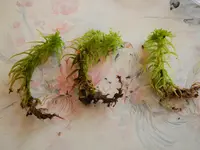
Sphagnum fallax is commonly propagated vegetatively, as each stem fragment can produce new growing tips under suitable conditions.

  • Use division of healthy green tufts in spring or early summer, selecting pest- and algae-free material.
  • Spread small stem pieces on top of moist, acidic substrate such as clean peat or long-fiber sphagnum.
  • Maintain very high humidity, gentle air movement, and bright, indirect light to support steady new shoot formation.
  • Keep water low in minerals, ideally rain or distilled water, and avoid burying tips, which must receive light.

This species is naturally cold hardy in many temperate climates and often survives winter outdoors with minimal care.

  • In containers, ensure constant moisture and avoid complete freezing of saturated trays for long periods.
  • Move shallow or small pots into a cold but frost-sheltered spot, such as an unheated garage or cold frame.
  • Do not cover living mats tightly; light and some air exchange are still needed to prevent dieback.

Care Tips

Use Rainwater Collection

Install a simple rainwater barrel or use clean, covered tubs outdoors so you always have low-mineral water available for sensitive Sphagnum fallax colonies, especially in hard tap-water areas.

Shallow Tray Method

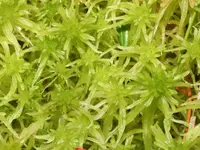
Grow mats in broad, shallow trays with 1–2 cm of standing water and a mesh or perforated liner so the lower stems stay saturated while the growing tips remain just above the water surface and do not rot.

Staggered Harvesting

When harvesting, cut only the top 3–5 cm in strips or patches and leave untouched sections between cuts so the colony can regenerate quickly and maintain stable moisture and microbe balance.

Partial Shade Netting

Outdoors, mount a 30–50% shade cloth 20–40 cm above the moss to buffer it from intense midday sun and drying winds while still allowing good light for steady growth.

Check Mineral Build-Up

Every few months, inspect tray edges and container walls for white crusts, and if present, replace the water and gently rinse the substrate to prevent salt accumulation that can slow growing sphagnum and cause browning tips.

Everything About sphagnum

Common Pests and Diseases

Fungus gnat larvae

This pest targets constantly wet sphagnum and feeds on decaying moss tissue and fine roots of companion plants. Symptoms include thinning moss cushions, slow growth, and visible small white larvae in the wet surface layer.

Solution

Reduce standing water, let the top layer drain well between waterings, and improve air movement around the moss. For persistent problems, use a biological control containing Bacillus thuringiensis israelensis (BTI) in the water and remove heavily infested moss sections.

Algal overgrowth

This disease involves fast-growing green algae coating the surface of wet moss in bright light. Symptoms include a slimy green film, reduced moss vigor, and patches where Sphagnum stops elongating.

Solution

Lower light intensity slightly, increase water movement or drainage, and physically rinse or gently squeeze out affected moss cushions under clean, cool water. Replace the most smothered portions and avoid nutrient-rich water, which encourages algae when trying to grow Sphagnum fallax.

Slugs and snails

These insects feed on soft moss tips and can strip growing points in outdoor trays or bog setups. Symptoms include irregular grazed patches, missing moss tips, and slime trails on or near the moss.

Solution

Hand-pick slugs and snails in the evening, remove nearby debris that shelters them, and use physical barriers such as copper tape or coarse grit around trays. In severe cases, deploy iron phosphate slug pellets placed away from direct moss contact.

Springtail overpopulation

This pest normally acts as a decomposer but in very dense populations can irritate moss colonies and disturb fine new growth. Symptoms include large numbers of tiny jumping insects on the water surface and around containers, sometimes accompanied by uneven moss growth.

Solution

Improve ventilation, avoid overfeeding any companion plants, and occasionally flush the moss with clean, low-mineral water to reduce organic buildup. If numbers stay high, temporarily allow slightly drier conditions at the surface and physically rinse or replace the most affected top layer.

Gray mold (Botrytis)

This disease develops on damaged or aging sphagnum under still, humid, and cool conditions. Symptoms include soft, browning patches that quickly develop a fuzzy gray mold on the moss surface or dead plant debris trapped in it.

Solution

Promptly remove and discard all moldy and dead material, then thin the moss layer to increase airflow and avoid crowding. Improve ventilation, keep temperatures stable, and avoid water splashing from infected to healthy areas to support long-term sphagnum indoor care.

Interesting Facts

Peatland engineer

This species is one of the main peat-forming mosses in temperate bogs, building deep organic layers by growing at the tips while its lower parts die and accumulate as peat.

Preference for mild acidity

It is characteristic of moderately acidic, nutrient-poor bogs and fens, often dominating where the water is slightly less acidic than in habitats of some closely related Sphagnum species.

Color change with habitat

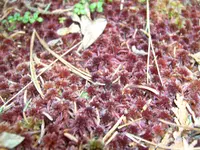
Its color ranges from yellow-green to reddish-brown depending on light intensity, water level, and nutrient status, which helps field botanists distinguish it from other similar mosses in bog complexes.

Botan icon

Did you know?

Sphagnum fallax is frequently used as an indicator species in ecological monitoring, because gradual shifts in its local abundance can signal long-term changes in water table level, atmospheric nitrogen deposition, and climate-driven drying of peatlands.

FAQs about sphagnum

Growth is slow but steady. In consistently moist, cool conditions it often adds about 2–5 cm of new growth per year. Warmer, drier air or irregular moisture slows growth, while stable humidity and gentle airflow support growing sphagnum.

Grow Healthy Plants with Botan Care

Keep your plants happy and healthy with plant identification, disease detection, and easy care guidance.

Botan plant care app — identify plants on mobile

Explore More Plants