12 Best Plants for Bathroom That Thrive in Humid Conditions
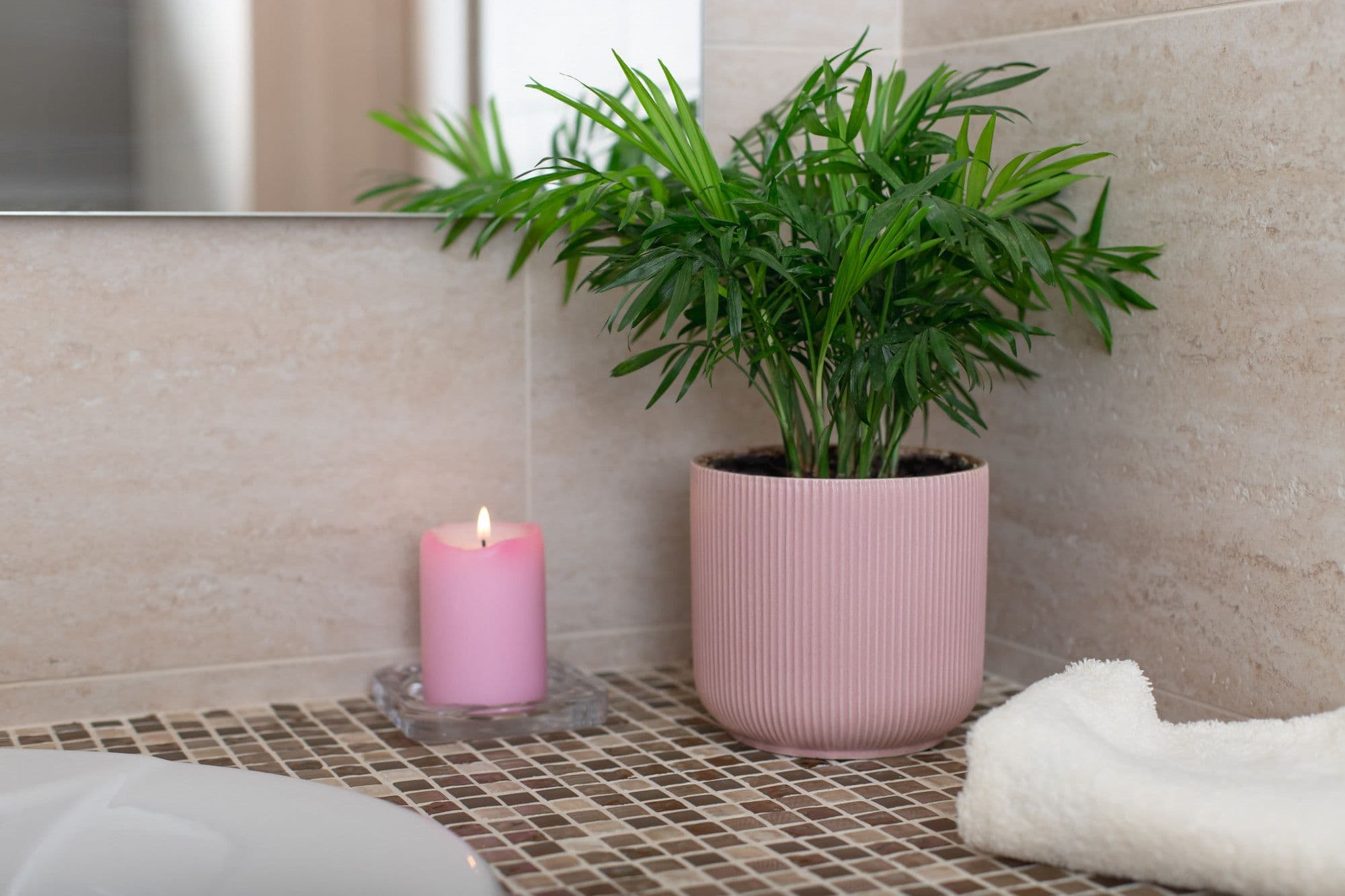
Discover the 12 best plants for bathroom spaces. Each pick comes with its own advantages, plus light, humidity, watering, and placement tips. Take a look and match the plant to your specific bathroom.

On this page
- 1. Pothos (Epipremnum aureum)
- 2. Heartleaf Philodendron (Philodendron hederaceum)
- 3. Peace Lily (Spathiphyllum)
- 4. Bird's Nest Fern (Asplenium nidus)
- 5. Lucky Bamboo (Dracaena sanderiana)
- 6. Prayer Plant (Maranta leuconeura)
- 7. Calathea (Goeppertia spp.)
- 8. Nerve Plant (Fittonia verschaffeltii)
- 9. Moth Orchid (Phalaenopsis)
- 10. Flamingo Flower (Anthurium andraeanum)
- 11. Boston Fern (Nephrolepis exaltata)
- 12. Aluminum Plant (Pilea cadierei)
- How to Choose the Best Plant for Your Bathroom
The best plants for bathroom spaces range from large trailing vines and ferns to compact orchids. What they all share is an ability to handle steam, indirect light, and shifting temperatures easily.
Here, you’ll find the 12 most suitable species with placement tips. Learn each plant’s light and humidity needs and unique features, and make an informed choice.
Plant | Light | Humidity | Watering | Maintenance | Pet Safe |
Bright indirect | 50-70% | Every 1-2 weeks | Low | No | |
Low to bright indirect | 50%+ | Every 1-2 weeks | Low | No | |
Low to bright indirect | 50%+ | Every 1-2 weeks | Low-Medium | No | |
Medium to bright indirect | 50-80% | Every 5-7 days | Medium | Yes | |
Low to medium indirect | 40-60% | Weekly water change | Low | No | |
Bright indirect | 50-60% | Every 1-2 weeks | Medium | Yes | |
Medium indirect | 60%+ | Weekly | High | Yes | |
Low to medium indirect | 60%+ | Every 4-5 days | Medium | Yes | |
Moth Orchid | Bright indirect | 50-70% | Weekly | Medium | Yes |
Bright indirect | 60-80% | Every 1-2 weeks | Medium | No | |
Medium to bright indirect | 50-80% | 2-3x weekly | High | Yes | |
Bright indirect | 60%+ | Every 1-2 weeks | Medium | Yes |
1. Pothos (Epipremnum aureum)

If your past plants haven't lasted long, start with resilient pothos. This trailing vine with heart-shaped leaves tolerates dim corners, humidity swings, and the occasional missed watering. Together, these traits make it one of the best bathroom plants for beginners.
- Light needs: 6-8 hours of bright, indirect light, ideally from an east- or west-facing window
- Humidity: 50-70% preferred
- Watering: every 1-2 weeks once the soil dries out
- Best placement: a high shelf or cabinet top where vines can trail, 60-85°F (16-29°C), away from heating vents and cold windowsills

Keep Plants Thriving
Get simple care guidance tailored to each plant’s needs in the app
2. Heartleaf Philodendron (Philodendron hederaceum)
.jpg%3F2026-09-29T06%253A29%253A01.829Z&w=2880&q=75)
Heartleaf philodendron handles darker corners better than most trailing bathroom plants. That makes it a great fit for a room with a small or frosted window. However, hundreds of philodendron species have different needs.
Below, you can see general recommendations. To get custom tips for your specific plant, scan it with the Botan houseplant identifier, identify the exact type, and adjust your care effortlessly.
- Light needs: at least 3-4 hours of bright, indirect light, ideally from an east- or north-facing window
- Humidity: 50% or higher preferred
- Watering: when the top inch of soil is dry, evenly moist but never soggy
- Best placement: a hanging basket or high shelf where vines can trail, 65-85°F (18-29°C), leaves kept off cold window glass in winter
3. Peace Lily (Spathiphyllum)
.jpg%3F2026-09-29T06%253A32%253A52.911Z&w=2880&q=75)
If you'd like something that blooms, the peace lily might be a perfect option. It’s one of the few flowering plants for bathrooms with limited natural light. The peace lily also tells you when it's thirsty and forgives occasional neglect. It also survives low light but may stop flowering.
- Light needs: 4-6 hours of bright, indirect light for blooms, ideally from an east- or north-facing window
- Humidity: 50% or higher preferred
- Watering: when the top inch (2.5 cm) of soil is dry, roughly every 1-2 weeks
- Best placement: a vanity counter or floor corner depending on size (up to 3 feet/about 1 m indoors), 68-85°F (20-29°C) during the day, no more than a 10°F (about 6°C) drop at night
4. Bird's Nest Fern (Asplenium nidus)
.jpg%3F2026-09-29T06%253A34%253A26.993Z&w=2880&q=75)
If your bathroom fills with steam every day, bird's nest fern will make good use of it. It naturally grows on tree trunks in humid tropical forests, and like many tropical species, it thrives at 70-80% humidity. This makes it one of the most natural fits among shower plants.
- Light needs: 6-8 hours of medium to bright, indirect light, ideally from a north- or east-facing window
- Humidity: 50-80%
- Watering: when the top inch (2.5 cm) of soil is dry, roughly every 5-7 days in spring and summer
- Best placement: a shelf or floor stand near the shower but out of direct spray, 65-80°F (18-27°C), away from cold windowsills in winter
5. Lucky Bamboo (Dracaena sanderiana)
.jpg%3F2026-09-29T06%253A35%253A34.721Z&w=2880&q=75)
Not all plants good for bathroom spaces need soil. Lucky bamboo grows in plain water and is a perfect option if your bathroom only has room for a small vase. It also handles low light and fluorescent fixtures, which makes it one of the easiest plants for low-light rooms.
- Light needs: 4-6 hours of bright, indirect light, ideally from an east- or north-facing window
- Humidity: 40-60% preferred
- Watering: roots covered by 1-2 inches (2.5-5 cm) of water, fully changed about once a week
- Best placement: a vanity counter or narrow shelf out of direct sun, 65-80°F (18-27°C)
6. Prayer Plant (Maranta leuconeura)
.jpg%3F2026-09-29T06%253A36%253A30.506Z&w=2880&q=75)
If your prayer plant has crispy brown leaf edges in the living room, consider moving it to a bathroom. It's non-toxic to cats and dogs, so it can sit on a low shelf within a pet's reach. It also has beautiful leaves, marked with red veins in a herringbone pattern, that add color to the space.
- Light needs: 10-12 hours of bright, indirect light, ideally from an east- or north-facing window
- Humidity: 50% or higher, ideally around 60%
- Watering: when the top inch (2.5 cm) of soil is dry, roughly every 1-2 weeks
- Best placement: a shelf or hanging pot where the stems can spread and trail, 65-80°F (18-27°C)

Will your plant thrive in the bathroom?
Scan it to learn its light and humidity needs
7. Calathea (Goeppertia spp.)
.jpg%3F2026-09-29T06%253A56%253A54.176Z&w=2880&q=75)
Calathea has a reputation as a fussy houseplant, but most of its problems come down to dry air. A regularly used bathroom solves them automatically. However, consider humidity drops between showers. Some species like rattlesnake handle it well, but the moisture level may not be enough for fussier types like orbifolia or white fusion.
- Light needs: 6 hours of bright, indirect light, ideally from an east- or north-facing window
- Humidity: at least 60%
- Watering: when the top inch (2.5 cm) of soil starts to dry, roughly weekly in summer and every 2 weeks in winter
- Best placement: a shelf away from the window, 65-80°F (18-27°C), never below 60°F (15°C)
8. Nerve Plant (Fittonia verschaffeltii)
.jpg%3F2026-09-29T07%253A03%253A50.101Z&w=2880&q=75)
The nerve plant is one of the smallest on this list, growing no taller than 6-8 inches (15-20 cm). Its size makes it a perfect fit for a narrow windowsill or the edge of a vanity. Unlike most plants on our list, it genuinely prefers lower light, so a frosted or north-facing window suits it quite well.
- Light needs: low to medium, indirect light, ideally from a north- or east-facing windowsill
- Humidity: 60% or higher, dry air causes leaves to shrivel
- Watering: keep soil evenly moist, water every 4-5 days in spring and summer
- Best placement: a windowsill or vanity edge, 65-80°F (18-27°C), away from cold drafts
9. Moth Orchid (Phalaenopsis)
.jpg%3F2026-09-29T07%253A09%253A42.879Z&w=2880&q=75)
Most people buy a moth orchid in bloom, watch the flowers drop after a few weeks, and assume the plant is done. It isn't. With the right conditions, it blooms again. A bathroom with a bright window is close to ideal since it provides the warmth and humidity Phalaenopsis needs.
- Light needs: 10 hours of bright, indirect light, ideally from an east- or north-facing window
- Humidity: 50-70%, brown leaf tips signal dry air
- Watering: once a week with rainwater or tap water left overnight
- Best placement: a bright windowsill near the shower, 65-80°F (18-27°C) during the day
10. Flamingo Flower (Anthurium andraeanum)
.jpg%3F2026-09-29T07%253A10%253A58.128Z&w=2880&q=75)
If you want something that flowers year-round, flamingo flower is worth the extra attention. Its waxy, heart-shaped blooms last up to 6-8 weeks. A bathroom with a bright window gives it the humidity it needs to keep producing them.
- Light needs: 6-8 hours of bright, indirect light, ideally from an east- or south-facing window
- Humidity: 60-80%
- Watering: when the top inch (2.5 cm) of soil is dry, roughly every 1-2 weeks
- Best placement: a bright windowsill away from direct sun, 65-80°F (18-27°C)
11. Boston Fern (Nephrolepis exaltata)
.jpg%3F2026-09-29T07%253A12%253A19.797Z&w=2880&q=75)
Boston fern is one of the most humidity-dependent plants on this list. In a living room, it sheds fronds and the tips brown within days of the air dropping below 40%. A bathroom with good natural light is one of the few spots where it genuinely thrives.
- Light needs: medium to bright, indirect light, near a north window or 1-2 feet (30-60 cm) back from an east window,
- Humidity: 50-80%
- Watering: keep soil evenly moist, water when the top half-inch (1 cm) is dry, roughly 2-3 times a week
- Best placement: a hanging basket or high shelf where the long fronds can arch down freely, 60-70°F (16-21°C)
12. Aluminum Plant (Pilea cadierei)
.jpg%3F2026-09-29T07%253A13%253A14.089Z&w=2880&q=75)
This plant is one of the less common picks for a bathroom. Its silver-splashed leaves stand out next to all the solid green on this list. The plant stays compact at 12-18 inches (30-45 cm) tall and fits everyone who doesn’t have much space.
- Light needs: at least 4 hours of bright, indirect light, ideally from an east- or west-facing window
- Humidity: 60% or higher, browning new growth signals dry air
- Watering: when the top half-inch to inch (1-2.5 cm) of soil is dry in spring and summer, slightly less in autumn and winter, never let it sit in standing water
- Best placement: a vanity counter or narrow shelf, 60-75°F (16-24°C)
How to Choose the Best Plant for Your Bathroom
The right plant depends on what your bathroom offers. Here's what to check before you make a choice:
- Light. A north-facing window gives the least light and suits nerve plant or lucky bamboo. But it won't keep a moth orchid blooming. An east- or west-facing window works for most plants.
- Humidity. A busy bathroom can reach the 70-80% that ferns and calathea prefer. A rarely used guest bathroom dries out between showers and is closer to a regular room.
- Temperature. Anthurium, nerve plant, and prayer plant all suffer below 60°F (15°C). Check your coldest corner before placing them there.
- Ventilation. If your exhaust fan runs after every shower, the room dries out faster, which makes humidity-sensitive plants harder to keep.
If you didn’t see anything suitable, browse the full list of plants to filter by care and humidity level to find a perfect option.
FAQ
No houseplant absorbs enough moisture to make a measurable difference. Studies show you'd need 10-1,000 plants per square meter to match what basic ventilation does. An exhaust fan is what actually controls humidity.
Anastasiia Vasylchyshyna
Botanist
5+ of botanical experience
Anastasiia Vasylchyshyna studied biology at Taras Shevchenko National University of Kyiv, at the Educational and Scientific Center "Institute of Biology and Medicine." That academic grounding shaped how she approaches every article: start with the science, end with something a plant owner can actually act on.
Over the years, she's written dozens of articles on plant care and plant pathology — covering everything from seasonal plant picks, garden prep, propagation and pruning guides, and the everyday mistakes that harm houseplants. Her goal isn't just to answer a question, but to help readers understand why a plant behaves the way it does, so they can spot problems on their own next time.
Related Articles
6 min read · 21 Sept 2026
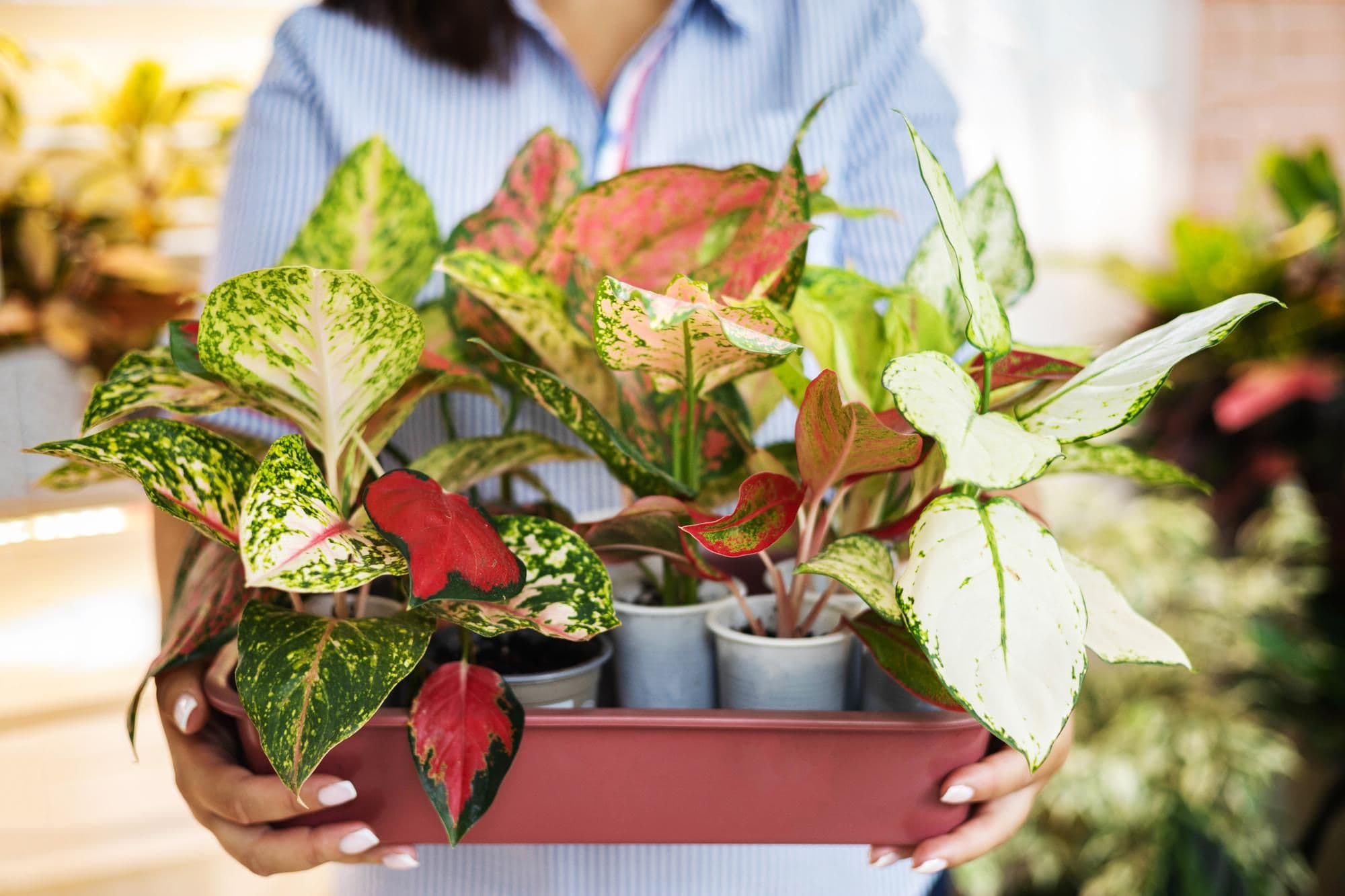
12 Most Wanted Rare Houseplants to Grow at Home
Rare houseplants can turn an ordinary corner in your apartment into a living botanical collection. This guide covers 12 most admired picks, what makes them special, and how to grow them successfully at home.
8 min read · 17 Sept 2026
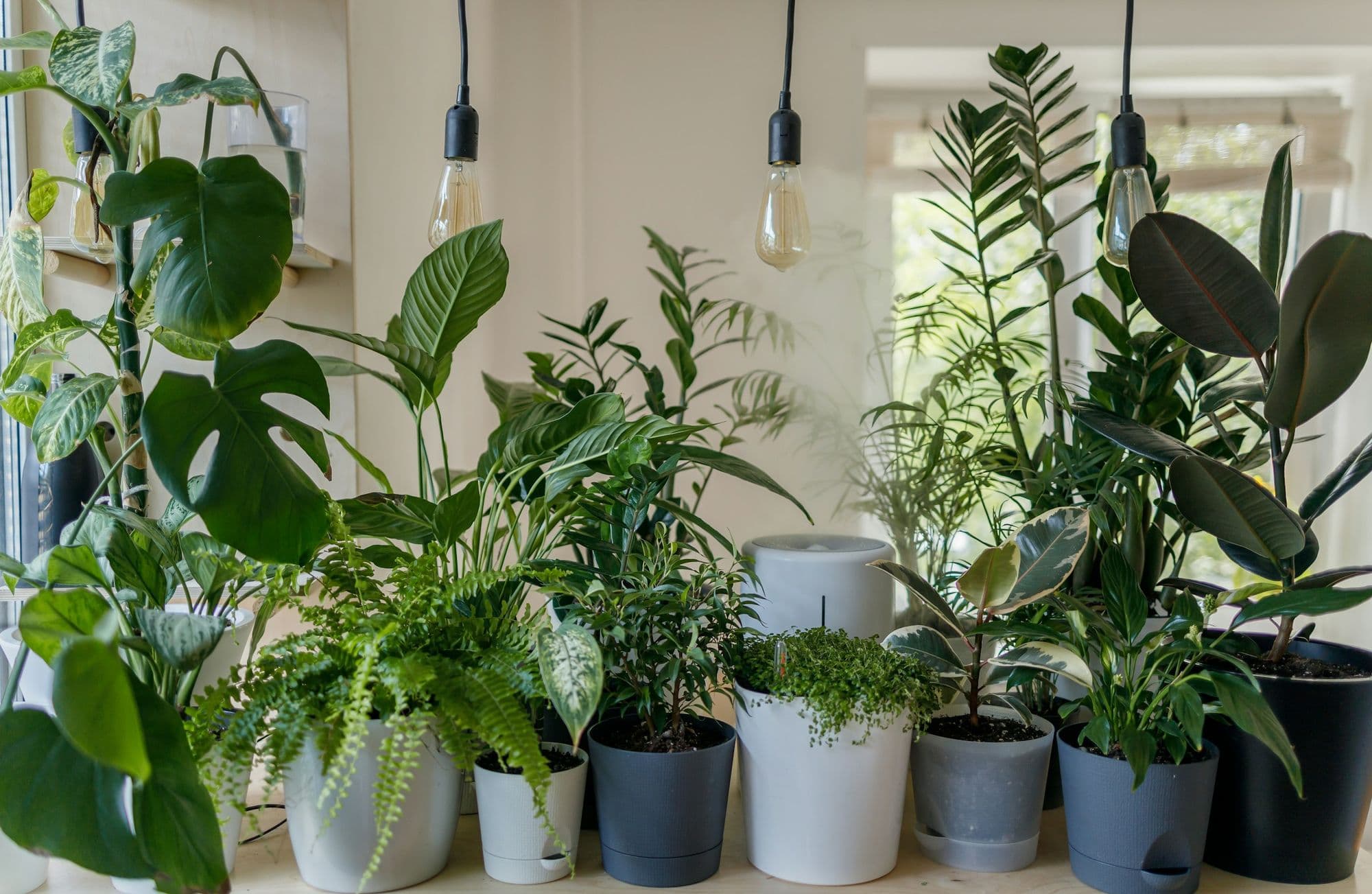
Top 15 Plants That Don’t Need Sunlight
Some plants thrive in dim rooms, shaded corners, and places with indirect light. In this guide, you’ll explore the top 15 species best suited to low-light conditions and how to care for them.
5 min read · 11 Sept 2026
Top 5 Best Indoor Plants for Air Quality
Indoor plants can make a room feel fresher thanks to their air-purifying qualities. Here are 5 of the most suitable choices for your routine and living space.
Explore Plants by Care Needs

Identify the plant and problem. Help your plant recover
Identify plant problems early, understand what's wrong, and get clear care guidance. Botan helps you turn guesswork into confident plant care