



Shade Plants
Explore plants that prefer cool environments with limited sunlight. Choose species to create lush spaces even in the shadiest locations.
Find Plants by Letter
 POPULAR
Monstera
Monstera deliciosa
 POPULAR
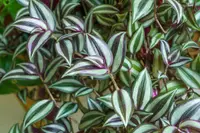
Wandering Jew
Tradescantia zebrina
 POPULAR
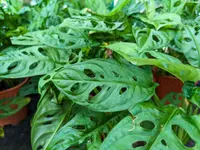
Swiss Cheese Vine
Monstera adansonii
 POPULAR
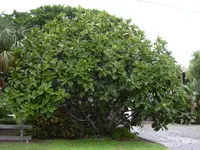
Fiddleleaf Fig
Ficus lyrata
 POPULAR
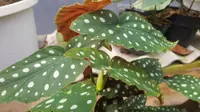
Polka Dot Begonia
Begonia maculata
 POPULAR
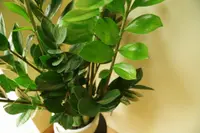
ZZ Plant
Zamioculcas zamiifolia
 POPULAR
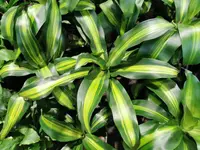
Corn Plant
Dracaena fragrans
 POPULAR
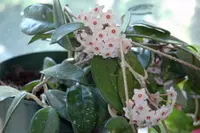
Wax Plant
Hoya carnosa
 POPULAR
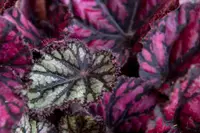
King Begonia
Begonia rex
 POPULAR
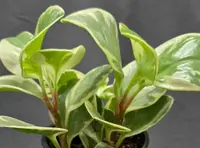
Baby Rubberplant
Peperomia obtusifolia
 POPULAR
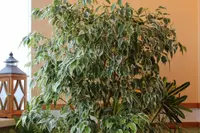
Weeping Fig
Ficus benjamina
 POPULAR
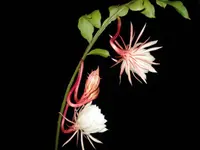
Queen of The Night
Epiphyllum oxypetalum
 POPULAR
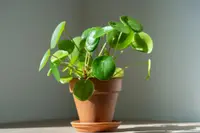
Chinese Money Plant
Pilea peperomioides
 POPULAR
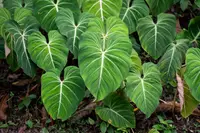
Philodendron gloriosum
Philodendron gloriosum
 POPULAR
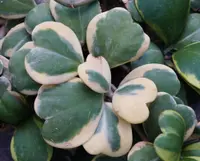
Hoya Hearts
Hoya kerrii
 POPULAR
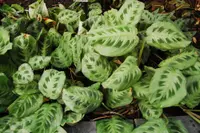
Prayerplant
Maranta leuconeura
 POPULAR
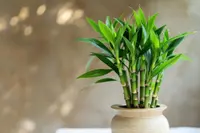
Lucky Bamboo
Dracaena sanderiana
 POPULAR
False Shamrock
Oxalis triangularis
 POPULAR
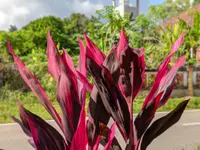
Ti Plant
Cordyline fruticosa
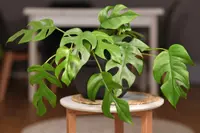 POPULAR
Mini Monstera
Rhaphidophora tetrasperma
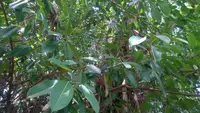 POPULAR
Rubber Tree
Ficus elastica
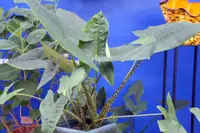 POPULAR
Zebra Plant
Alocasia zebrina
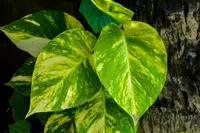 POPULAR
Golden Pothos
Epipremnum aureum
 POPULAR
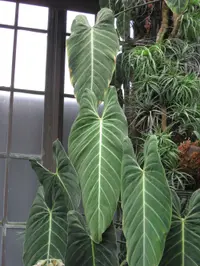
Philodendron melanochrysum
Philodendron melanochrysum
What Makes Shade Plants Stand Out
Some plant species evolved under reduced light conditions. They have learned to use whatever light is available and conserve energy instead of using it for rapid growth and flowering. Such shade plants fall into two main categories: partial-shade and full-shade types. Partial-shade species can tolerate 3-5 hours of direct sun daily, while full-shade ones can live and thrive with fewer than 3 hours of direct light.
Their resilience is no accident. Shade plants have dark-green, larger, and thinner leaves arranged horizontally for optimized photosynthesis. They also produce smaller, less-colorful flowers and fruit to save energy. Many also have larger roots or waxy leaves to save extra moisture in dark shade environments that are often much drier than they appear.
Diversity of Shade Environments
The full list of shade-loving plants would include species from nearly every known group. These are houseplants (e.g., Mini monstera, Golden pothos, Rubber tree), flowering perennials (e.g., astilbes, Bleeding heart, Coral bells), and ferns (e.g., Lady fern, Cinnamon fern, Autumn fern). Many ground covers, such as false shamrock, as well as shrubs and woody plants, such as rhododendrons, azaleas, and some hydrangeas, thrive in part shade too.
Such plants can be used in many environments. They are an ideal fit for woodland gardens and north-facing borders. They can also be planted under trees with dense foliage, in covered patios, and in dim indoor spaces.
East-facing walls work, too, as they receive less-intense morning sun and afternoon shade. West-facing walls provide the reverse conditions and can suit species that tolerate stronger light.
How to Grow & Care for Shade Plants
Of course, not every species from the category requires the exact same care. But there are some common principles for the group. Soil should be consistently moist but free-draining. Also, such plants shouldn’t grow directly beneath shallow-rooted trees that compete aggressively for water.
The place must not only meet the standard 3-5 hours of sun window but also the specific type of shade the plant prefers: dappled, partial, full, drier, or deeper shade. Watering must be consistent, as shade doesn’t always mean wet. Ideally, the soil must never dry out completely, but it mustn’t be waterlogged either. Otherwise, there’s a risk of root rot and fungal infections.
You can browse profiles from the list of shade plants right on this page and learn more about the environmental conditions each species requires.