



Part-Sun Plants
Browse varieties suited to locations with a few hours of direct sunlight and gentle shade. Find adaptable plants that grow in changing light conditions.
Find Plants by Letter
 POPULAR
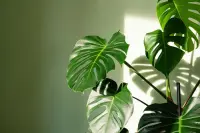
Monstera
Monstera deliciosa
 POPULAR
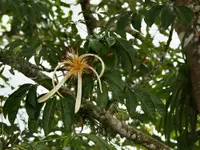
Money Tree
Pachira aquatica
 POPULAR
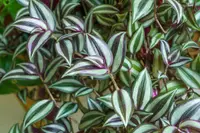
Wandering Jew
Tradescantia zebrina
 POPULAR
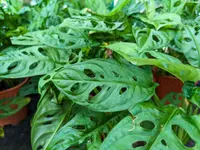
Swiss Cheese Vine
Monstera adansonii
 POPULAR
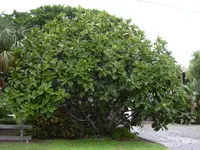
Fiddleleaf Fig
Ficus lyrata
 POPULAR
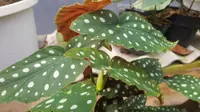
Polka Dot Begonia
Begonia maculata
 POPULAR
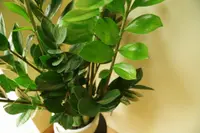
ZZ Plant
Zamioculcas zamiifolia
 POPULAR
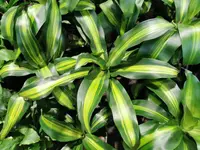
Corn Plant
Dracaena fragrans
 POPULAR
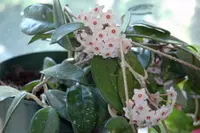
Wax Plant
Hoya carnosa
 POPULAR
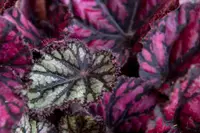
King Begonia
Begonia rex
 POPULAR
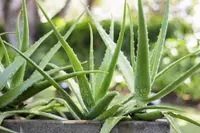
Aloe
Aloe vera
 POPULAR
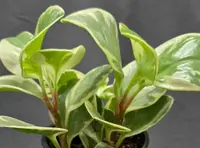
Baby Rubberplant
Peperomia obtusifolia
 POPULAR
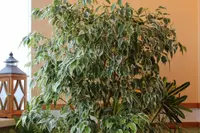
Weeping Fig
Ficus benjamina
 POPULAR
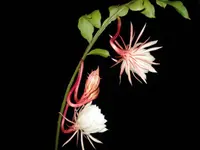
Queen of The Night
Epiphyllum oxypetalum
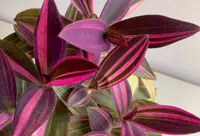 POPULAR
Purple Heart
Tradescantia pallida
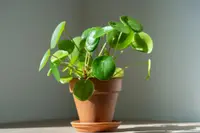 POPULAR
Chinese Money Plant
Pilea peperomioides
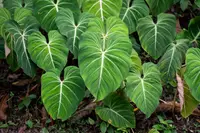 POPULAR
Philodendron gloriosum
Philodendron gloriosum
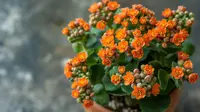 POPULAR
Flaming Katy
Kalanchoe blossfeldiana
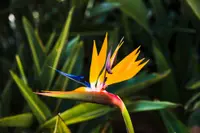 POPULAR
Giant White Bird of Paradise
Strelitzia nicolai
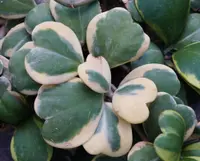 POPULAR
Hoya Hearts
Hoya kerrii
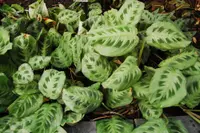 POPULAR
Prayerplant
Maranta leuconeura
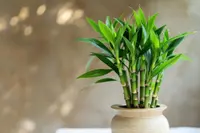 POPULAR
Lucky Bamboo
Dracaena sanderiana
 POPULAR
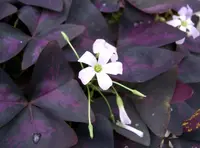
False Shamrock
Oxalis triangularis
 POPULAR
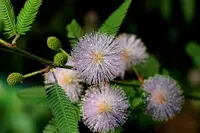
Sensitive Plant
Mimosa pudica
Definition and Light Preferences of Partial Sun Plants
Full-sun plants require 6+ hours of direct light. Full-shade species need 2 hours max. Part-sun plants sit between these two extremes — they typically require 4-6 hours of sunlight daily. For example, full-sun lavender will deteriorate quickly with just 4 hours of light, while part-sun hydrangea will thrive in such lighting conditions.
The partial-sun type, however, shouldn’t be confused with partial-shade species. The terms are often used interchangeably, but there’s a significant difference between the categories. Part-sun leans toward more sun and can tolerate light closer to 6 hours. Part-shade leans toward more shade and can only tolerate slightly more than 4 hours of direct light.
From Garden Edibles to Houseplants: Diversity & Use Cases Explained
The category includes thousands of species. These are flowering ornamentals (e.g., Eyelash begonia, New Guinea Impatiens), foliage plants (e.g., Rock Hosta, Heart of Jesus), succulents (e.g., Snake plant, Leafy haworthia), and herbs (e.g., parsley). Many part-sun species can also be found among vegetables and fruits (e.g., Butterhead lettuce, Buffalo spinach, Beach strawberry, West Indian raspberry), as well as among trees, shrubs, and climbing plants.
These plants thrive in different spaces. East-facing positions with morning sun and afternoon shade are considered the most favorable for the category. West-facing positions have the reverse pattern and better suit species that can tolerate more intense afternoon light (e.g., Bee balm, European blackberry). Also, many of them thrive under deciduous trees, near walls and fences, or in covered patios and porches.
If you want to choose the best part-sun plant for your space, check the list above. There, you’ll find all the species that need 4-6 hours of direct light, their care requirements, and environmental demands.