



Safe Plants for Humans & Kids
This collection includes plants that are safe for adults and kids. Find attractive species suitable for families, workspaces, and everyday living.
Find Plants by Letter
 POPULAR
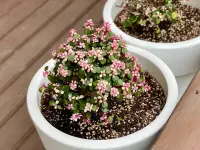
Elephant Bush
Portulacaria afra
 POPULAR
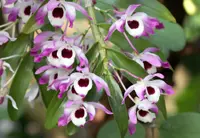
Noble Dendrobium
Dendrobium nobile
 POPULAR
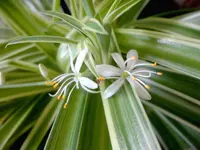
Spider Plant
Chlorophytum comosum
 POPULAR
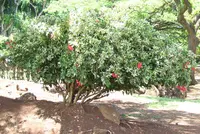
Chinese hibiscus
Hibiscus rosa-sinensis
 POPULAR
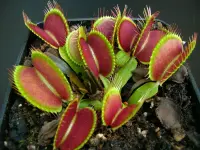
Venus flytrap
Dionaea muscipula
 POPULAR
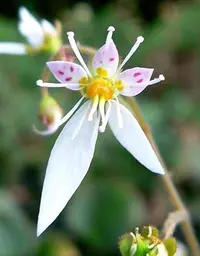
Strawberry saxifrage
Saxifraga stolonifera
 POPULAR
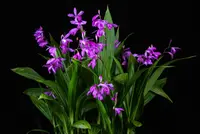
Chinese ground orchid
Bletilla striata
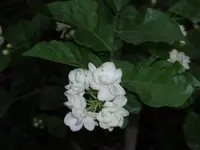
Arabian Jasmine
Jasminum sambac
 POPULAR
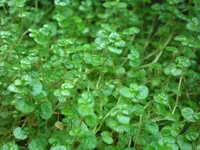
Baby's Tears
Soleirolia soleirolii
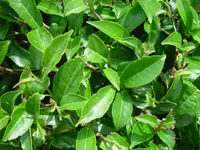
Tea plant
Camellia sinensis
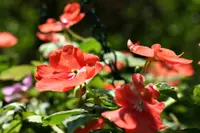
Busy lizzie
Impatiens walleriana
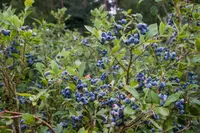
Highbush blueberry
Vaccinium corymbosum
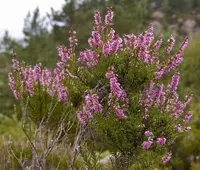
Scottish Heather
Calluna vulgaris
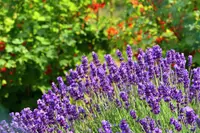
French lavender
Lavandula stoechas
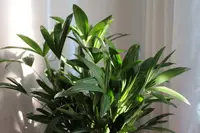
Lady Palm
Rhapis excelsa
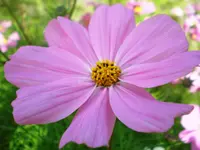
Garden cosmos
Cosmos bipinnatus
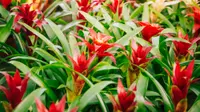
Indian shot
Canna indica
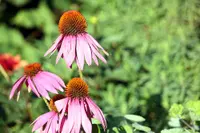
Purple Coneflower
Echinacea purpurea
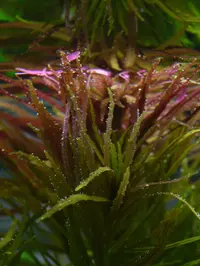
Rice Paddy Herb
Limnophila aromatica
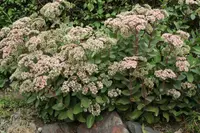
Orpine
Hylotelephium telephium
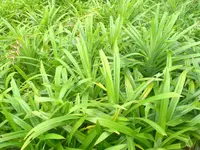
Pandan
Pandanus amaryllifolius
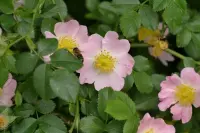
Beach Rose
Rosa rugosa
 POPULAR
Coconut
Cocos nucifera
 POPULAR
Canary Island date palm
Phoenix canariensis
Non-Toxic for Humans: What This Plant Status Actually Means
Some plants produce chemical compounds (oxalates, alkaloids, and others) harmful to people. Only plants that don’t have them and can’t cause serious damage are considered safe for humans.
So, the “non-toxic for people” term refers to a practical category of species that don’t cause skin irritation, poisoning, organ damage, or life-threatening symptoms on contact or even accidental ingestion.
Note that plants can also be mildly toxic, moderately toxic, and severely toxic. However, even mildly toxic ones require extra caution when it comes to children. They are at greater risk because of their developing physiology and lower body weight.
How to Choose a Safe Plant for Your Family Home?
If you want to keep your place safe for your children, avoid species from the Araceae family, which includes many incredibly common options like Peace lily, Heartleaf philodendron, and even Golden pothos. Avoid Laurier rose, Sago palm, and similar high-severity options entirely. Safe plants for kids are completely non-toxic options like Peperomia japonica, Boston fern, and False African violet.
If you know that a child ingested a plant, call poison control and/or emergency depending on the symptoms. To prevent the issue, ensure you know the botanical names of all species in your home, place plants safely, and teach kids about the potential dangers.
Still, the only way to ensure you have safe species is to check their status before getting them home. You can see the non-toxic options right on this page, so take a look to find something that matches your taste and care style.