


Use shallow pots
Choose a wide, shallow pot with several drainage holes to accommodate the plant’s shallow, fibrous roots and reduce the risk of soggy lower soil layers.

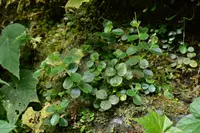
Peperomia japonica is a compact, trailing epiphyte often grown as a small indoor foliage plant. It forms thin, wiry stems with many small, rounded green leaves. The plant creates a neat, cascading habit that suits hanging baskets, mixed planters, or terrariums. Leaves are smooth and simple, giving it a clean, minimal look. In nature, P. japonica occurs in humid, forested regions of East Asia, where it grows on trees or rocks. It is generally considered easy to grow, provided it receives bright shade, moderate moisture, and a loose, well-drained mix. Its slow, steady growth and tolerance of indoor conditions make it straightforward to care for Peperomia japonica.

Care Difficulty
Easy Care

Light Preference
Bright Indirect Light

Water Requirements
Moderate Water

Temperature Preference
Tropical / Frost Sensitive

Hardiness Zone
11–12

Soil Texture
Loamy, Peaty, Organic-rich

Soil pH
Acidic (5.5–6.5), Slightly acidic (6.5–7.0)

Soil Drainage
Well-drained

Fertilization
Light (every 4–6 weeks)
Scan your plant to receive care tips personalized for your specific plant
Available on iOS and Android
This species prefers bright, indirect light and tolerates gentle morning sun.
This plant stores some moisture in its leaves and prefers a moderate, careful watering approach.
This species prefers stable, warm conditions without sudden temperature swings.
This species handles average indoor humidity but benefits from slightly elevated levels.
Use a loose, airy, fast-draining mix that mimics an epiphytic or forest-floor environment.
This species is well suited to container culture due to its compact, shallow root system.
This compact plant stays healthiest with light, controlled feeding during the active growing season.
Light pruning keeps Peperomia japonica dense and tidy without stressing the plant.
This species prefers slightly snug pots and only occasional repotting.
New plants are most commonly produced from stem cuttings taken during the growing season.
This tropical plant is not frost tolerant and needs mild, stable indoor conditions in winter.

Plant Health Check
Not sure what's wrong with your plant? Check your plant's health inside the app.
In the wild, this species often grows as a small epiphyte on tree trunks and branches, forming thin creeping stems that root at the nodes rather than developing a deep soil root system.
Its small, rounded leaves have a translucent, network-like vein pattern that becomes more visible when backlit, an identifying feature that helps distinguish it from other similar trailing Peperomia species.
Peperomia japonica is native to parts of East Asia, including Japan and neighboring regions, and naturally occurs in warm, humid forest understories with filtered light.
Brown leaf edges or tips usually come from low humidity, underwatering, or salt buildup from fertilizer. Large brown patches can indicate sun scorch or severe root issues. Trim damaged leaves and correct the underlying cause gradually.
Keep your plants happy and healthy with plant identification, disease detection, and easy care guidance.

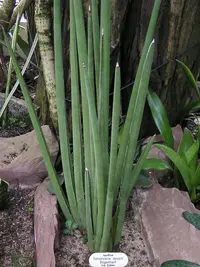
Dracaena pearsonii
Dracaena pearsonii
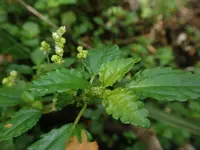
Pilea elliptica
Pilea elliptica
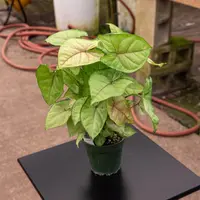
Arrowhead Vine
Syngonium podophyllum 'Berry Allusion'
 POPULAR
Flamingo Flower
Anthurium andraeanum
Elkhorn Fern
Platycerium bifurcatum
arrowhead vine
Syngonium macrophyllum

Dracaena
Dracaena fragrans 'Janet Craig'
 POPULAR
Curly Tamarak
Albuca spiralis