



Perennial Plants
Perennials come back each growing season and are a great choice for any garden. Find species suited to different climates and conditions.
Find Plants by Letter
 POPULAR
Monstera
Monstera deliciosa
 POPULAR
Money Tree
Pachira aquatica
 POPULAR
Wandering Jew
Tradescantia zebrina
 POPULAR
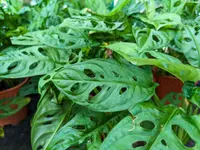
Swiss Cheese Vine
Monstera adansonii
 POPULAR
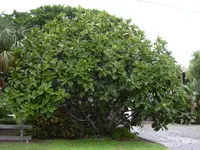
Fiddleleaf Fig
Ficus lyrata
 POPULAR
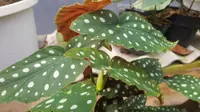
Polka Dot Begonia
Begonia maculata
 POPULAR
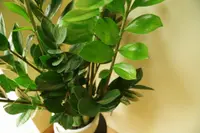
ZZ Plant
Zamioculcas zamiifolia
 POPULAR
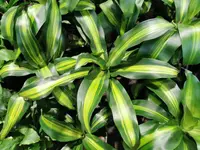
Corn Plant
Dracaena fragrans
 POPULAR
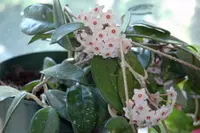
Wax Plant
Hoya carnosa
 POPULAR
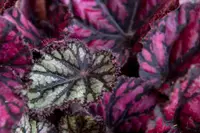
King Begonia
Begonia rex
 POPULAR
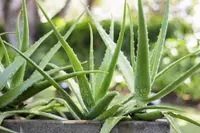
Aloe
Aloe vera
 POPULAR
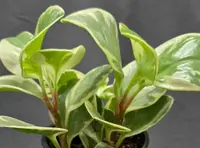
Baby Rubberplant
Peperomia obtusifolia
 POPULAR
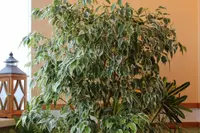
Weeping Fig
Ficus benjamina
 POPULAR
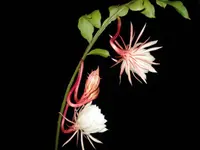
Queen of The Night
Epiphyllum oxypetalum
 POPULAR
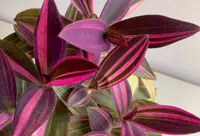
Purple Heart
Tradescantia pallida
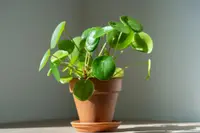 POPULAR
Chinese Money Plant
Pilea peperomioides
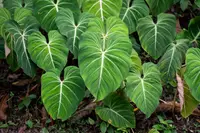 POPULAR
Philodendron gloriosum
Philodendron gloriosum
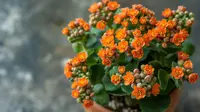 POPULAR
Flaming Katy
Kalanchoe blossfeldiana
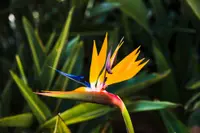 POPULAR
Giant White Bird of Paradise
Strelitzia nicolai
 POPULAR
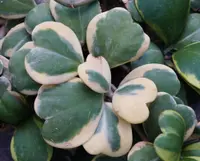
Hoya Hearts
Hoya kerrii
 POPULAR
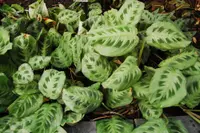
Prayerplant
Maranta leuconeura
 POPULAR
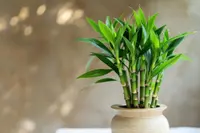
Lucky Bamboo
Dracaena sanderiana
 POPULAR
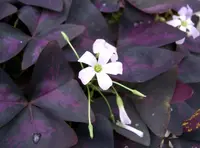
False Shamrock
Oxalis triangularis
 POPULAR
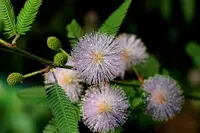
Sensitive Plant
Mimosa pudica
All You Should Know about Perennials: Types, Features & More
A perennial is any plant that lives more than two years. It typically has a strong underground part (roots, crown, bulb, rhizome, tuber) that stores resources and helps the plant survive during the dormant cold season. The full list of perennial plants includes over 360,000 species and hundreds of types and subtypes.
Still, there are a few main categories to distinguish. These are herbaceous plants characterized by soft and leafy growth instead of woody stems (e.g., Garden tulip, Jacobean lily, Daylily, Peony) and woody species (e.g., Boxwood, Mountain hydrangea, Fringed lavender, rosemary). Some perennials are also evergreen (e.g., Purple deadnettle).
How Diverse Perennials Actually Are
The diversity of perennial plants definitely doesn’t stop at three groups. Gardeners can choose different long-living species based on different characteristics.
For example, there are full-sun plants that require 6+ hours of direct light like coneflower, catmint, or salvia. There are also partial-shade species that need 3-6 hours of sun, like Coral bells, Bleeding heart, or Heartleaf foamflower. For dark places, full-shade species that prefer fewer than 3 hours of sun, such as many hostas and ferns, are the best fit possible.
Also, the category includes ground covers like barrenwort and deadnettle, mid-border plants like peonies and daylilies, and tall border plants like Joe Pye weed or goatsbeard. Perennials can also be used in different types of landscapes — formal and semi-formal garden beds and naturalized landscapes. They thrive in different climates, from the coldest ones to the tropics.
Hidden & Long-Term Benefits Explained
Such hardy and lasting species offer a full set of benefits. They need to be planted only once, can be divided (split into pieces to replant) to fill more space, and are low-maintenance overall. Their roots can access moisture other plants can’t reach. Also, such species typically require less fertilizer and support wildlife, including a wide range of pollinators.
So, perennials are very flexible and fit different spaces and climates. The only thing a gardener should do is select the right species. On this page, you can see perennial plants with names, photos, key requirements, and care tips across all categories, from indoor to garden species and both low-maintenance and high-maintenance species.