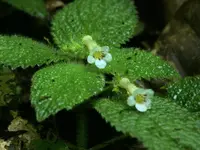
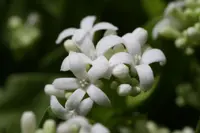
Mountain hydrangea Care (Hydrangea serrata)

Also known as: tea of heaven
Mountain hydrangea

About Mountain hydrangea

Mountain hydrangea, Hydrangea serrata, is a compact, deciduous shrub valued for its lacecap flower heads and fine-textured foliage. It usually forms a neat, rounded shape that suits small gardens.

This species is native to cool, mountainous regions of Japan and Korea, where it grows in woodland edges and moist, shaded slopes. Its natural habitat explains its preference for mild temperatures, dappled light, and evenly moist, well-drained soil.

Mountain hydrangea is generally considered easier to manage than many bigleaf hydrangeas, with good cold tolerance and a refined, less bulky habit. Understanding these traits helps gardeners learn how to care for Mountain hydrangea in typical home landscapes.

Main Plant Requirements

Care Difficulty

Moderate Care

Light Preference

Partial Shade

Water Requirements

Regular Water

Temperature Preference

Cold Hardy

Hardiness Zone

5–9

Soil Texture

Loamy, Silty, Organic-rich

Soil pH

Strongly acidic (4.5–5.5), Acidic (5.5–6.5)

Soil Drainage

Moist but well-drained

Fertilization

Light (every 4–6 weeks)

Get Personalized Care Plan

Scan your plant to receive care tips personalized for your specific plant

Available on iOS and Android

How to Care for the Mountain hydrangea

Hydrangea serrata prefers bright but gentle light to form strong stems and abundant blooms.

  • Provide 3–5 hours of morning sun with light or dappled shade from midday onward to prevent leaf scorch.
  • Tolerates partial shade, especially in hotter regions, but very dense shade reduces flowering and leads to weak, stretched growth.
  • In summer, protect from harsh afternoon sun using taller plants or structures; in cooler seasons, allow a bit more direct light to support bud formation.

This species needs consistently moist, cool soil without becoming soggy.

  • Water when the top 3–5 cm of soil feels dry, aiming for evenly moist soil down to root depth, especially during active growth and flowering.
  • Increase watering during hot, dry spells and reduce in cool or rainy periods, watching for drooping leaves as an early sign of thirst.
  • Use well-drained, organic-rich soil; yellowing, limp leaves and persistent wetness suggest overwatering, while crisp edges and premature leaf drop suggest underwatering in Hydrangea serrata.

This shrub prefers mild climates with cool roots and moderate air temperatures.

  • Optimal growth occurs around 60–75°F (16–24°C), supporting steady leaf and bud development through the growing season.
  • Mature plants tolerate winter cold down to about 0°F (−18°C) with mulch over roots, but young plants and new growth can be damaged by late frosts.
  • In summer, sustained heat above 85°F (29°C) stresses the plant; provide mulch and afternoon shade to keep soil cool and prevent leaf scorch.

This shrub prefers moderate ambient humidity and reacts quickly to very dry air.

  • Aim for 40–60% humidity; below 35% for long periods can lead to leaf edge browning and increased wilt between waterings.
  • Mountain hydrangea in hot, dry, windy spots may show curled, crispy leaf margins even when soil is moist.
  • Increase humidity by grouping plants, using mulch over the root zone, and sheltering from drying winds rather than misting foliage.

Hydrangea serrata grows best in moist, well‑structured, slightly acidic soil with reliable drainage.

  • Use a loamy mix with high organic content, such as garden loam blended with compost and fine pine bark, to hold moisture without waterlogging.
  • Target a pH of 5.5–6.5; in very alkaline ground, mix in ericaceous compost or peat‑free acid‑balancing products before planting.
  • Improve drainage and aeration on heavy clay by incorporating 25–40% coarse grit or perlite plus well‑rotted compost through the top 25–30 cm.
  • Avoid compacted, standing‑water sites or pure sand that dries out rapidly, both of which stress roots and reduce flowering.

This species is generally suitable for container growing when root space and drainage are carefully managed.

  • Choose a wide, deep container (at least 35–40 cm diameter) to support its fibrous root system and reduce rapid drying in summer.
  • Select a heavier material such as ceramic or thick-walled plastic to stabilize the shrub against wind when the canopy is in full leaf.
  • Fill the pot with a moisture-retentive, peat-free loam-based mix and raise it slightly on feet so drainage holes stay clear after heavy rain.

Hydrangea serrata responds well to moderate, targeted feeding during the active growing season.

  • Use a balanced, slow-release fertilizer (for example 10-10-10) or well-rotted compost in early spring as new growth starts.
  • Apply granular slow-release around the drip line every 6–8 weeks through midsummer, following label rates, and avoid overapplication near the stem.
  • For container plants, use a half-strength balanced liquid feed every 3–4 weeks during growth, ensuring the soil is moist beforehand.
  • Stop feeding by late summer and do not fertilize in fall or winter to allow stems to harden and the plant to enter dormancy naturally.

Hydrangea serrata benefits from light, well-timed pruning to maintain shape and flowering.

  • Use clean, sharp hand pruners to remove dead, damaged, or diseased wood at the base whenever noticed.
  • In late winter to early spring, lightly thin crowded interior stems to improve airflow without cutting all older flowering wood.
  • After flowering, trim back spent blooms and weak tips to shape the shrub, preserving strong, bud-bearing stems for next year.
  • Avoid cutting the plant hard to the ground, as this can reduce flowering and push excessive leafy growth.

This shrub is most often grown in the ground, so focus on transplanting rather than frequent repotting.

  • Transplant in early spring or early fall, avoiding summer heat, when growth is slow and soil moisture is easier to manage.
  • Look for signs such as roots circling a pot, very fast drying soil, or stunted shoots as indicators that a potted plant needs a larger container.
  • Prepare the new site or pot with moisture-retentive, well-drained soil, planting at the same depth and watering thoroughly to settle roots.
  • Reduce stress by pruning only lightly at transplant time, shading from strong sun for 1–2 weeks, and keeping soil evenly moist but not waterlogged.

Hydrangea serrata is commonly multiplied by cuttings and layering, which maintain the exact traits of the parent shrub.

  • Take 10–15 cm softwood cuttings in late spring to early summer, choosing non-flowering shoots with at least 2–3 leaf nodes.
  • Remove lower leaves, dip the cut end in rooting hormone, and place in a moist, free-draining medium under high humidity and bright, indirect light.
  • For simple layering in spring, bend a flexible low stem to the ground, wound it slightly, pin it into soil, and keep the area evenly moist.
  • Allow layered sections to root for several months, then sever and transplant the new plant once a firm root system has developed.

This species is generally cold hardy but benefits from basic winter protection in colder regions.

  • In late fall, apply a 5–8 cm layer of mulch around the root zone to buffer freeze–thaw cycles and conserve moisture.
  • Leave old flower heads and upper stems in place over winter, as they can shield developing buds from wind and frost.
  • In very cold or exposed sites, wrap the shrub loosely with breathable fabric or set up a windbreak to reduce desiccation.
  • Move container-grown plants to a sheltered, unheated but frost-free or slightly protected spot, keeping the potting mix just barely moist.

Care Tips

Spring soil reset

Each early spring, gently fork the top 3–5 cm of soil around the shrub, remove compacted debris, and top-dress with 2–3 cm of fine compost to improve aeration and root activity without disturbing main roots.

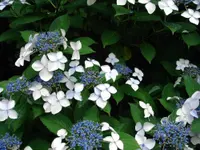
Bud-protection mulching

In late fall, apply a 5–8 cm layer of shredded bark or leaf mold over the root zone, keeping it a few cm away from stems, to buffer freeze–thaw cycles and protect flower buds on old wood.

Pinch for branching

On young plants, pinch out the soft tips of vigorous non-flowering shoots in late spring to encourage denser branching and a fuller framework for future blooms.

Targeted stem renewal

Every 2–3 years, remove 1–3 of the oldest, thickest stems at ground level right after flowering to stimulate new basal shoots and maintain a balanced, long-lived structure.

Weather-stress shading

During sudden heat waves or strong drying winds, temporarily provide shade cloth or place a portable screen on the sunniest side to reduce leaf scorch and stress while still allowing good air movement when growing Mountain hydrangea.

Common Pests and Diseases

Leaf spot

This disease causes small brown, purple, or tan spots on leaves that may merge into larger blotches, often starting on lower, older foliage. Symptoms include premature leaf yellowing and drop in humid or wet conditions.

Solution

Remove and dispose of heavily spotted leaves, and avoid overhead watering so foliage dries quickly. Improve air circulation around the shrub, water at soil level, and if leaf spot recurs each year, apply a copper-based or chlorothalonil fungicide labeled for hydrangeas just as new leaves emerge in spring.

Powdery mildew

This disease produces a white to gray powdery coating on the upper or lower surface of leaves, especially in shaded, humid sites with poor airflow. Symptoms include distorted new growth and leaves that may yellow and drop early.

Solution

Increase light and air movement by thinning crowded stems and avoiding tight planting. Water at the base in the morning, remove badly affected leaves, and use a sulfur or potassium bicarbonate fungicide labeled for ornamental shrubs if conditions favor repeated outbreaks; these steps are part of practical Hydrangea serrata care instructions in many gardens.

Hydrangea scale

These insects appear as flat, oval, white or brown bumps on stems and the undersides of leaves, sucking sap and weakening the plant. Symptoms include yellowing leaves, sparse growth, and sticky honeydew that can lead to sooty mold.

Solution

Prune out and discard heavily infested stems, then gently scrub remaining stems with a soft brush dipped in soapy water to dislodge scales. For ongoing problems, apply a horticultural oil spray during the crawler stage according to label directions, ensuring thorough coverage of stems and leaf undersides.

Aphids

These insects are small, soft-bodied, and often green or black, clustering on shoot tips, new leaves, and flower buds to feed on sap. Symptoms include curled or distorted leaves, sticky honeydew, and the growth of black sooty mold on surfaces below the infestation.

Solution

Spray affected shoots with a strong stream of water to knock aphids off, repeating every few days as needed. If populations remain high, treat with insecticidal soap or horticultural oil, coating the undersides of leaves and young stems, and encourage natural predators such as lady beetles by avoiding broad-spectrum insecticides.

Botrytis blight

This disease causes brown, water-soaked spots on flower clusters and young leaves that quickly turn tan and may develop fuzzy gray mold under moist, cool conditions. Symptoms include blighted flower heads and collapsing new shoots, especially after prolonged rain or overhead watering.

Solution

Remove and discard all affected flowers and soft tissue as soon as symptoms appear, and keep spent blooms cleaned up from around the plant. Improve air circulation, avoid wetting the foliage, and in severe or recurring cases use a labeled ornamental fungicide at early bloom to protect developing flower clusters.

Interesting Facts

Blue–pink soil response

This species is especially sensitive to soil pH, often showing clear blue flowers in acidic soils with available aluminum and pink to reddish tones in more alkaline conditions, which makes it a useful visual indicator of soil chemistry.

Mountain woodland origin

Hydrangea serrata is naturally distributed in cool, moist mountain woodlands of Japan and Korea, where it grows on slopes and forest edges, which explains its preference for mild temperatures and dappled light in cultivation.

Lacecap bloom structure

Its inflorescences are typically lacecap type, with a ring of sterile showy florets surrounding fertile inner florets that provide nectar and pollen for insects, making it more ecologically useful than forms with many sterile flowers.

Botan icon

Did you know?

In parts of Japan, leaves of certain Hydrangea serrata selections, often referred to as amacha, have been traditionally processed into a naturally sweet herbal tea used in specific Buddhist ceremonies, although not all forms of the species are suitable for this purpose.

FAQs about Mountain hydrangea

Lack of flowers usually comes from pruning at the wrong time, winter bud damage, too much shade, or excess nitrogen fertilizer. Flowers form on older wood, so heavy cutting in late fall or spring often removes next season’s buds.

Grow Healthy Plants with Botan Care

Keep your plants happy and healthy with plant identification, disease detection, and easy care guidance.

Botan plant care app — identify plants on mobile

Explore More Plants