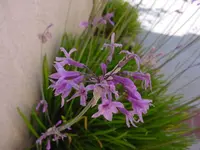

Post-bloom deadheading
As soon as flowers fade, cut off the spent blooms without removing the leaves so the bulb can redirect energy into next year’s flower formation instead of seed production.

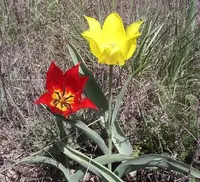
The garden tulip, Tulipa gesneriana, is a bulb-forming perennial grown mainly for its colorful spring flowers. It is widely cultivated and no longer found only in truly wild habitats, but it originally traces back to regions of Central Asia and the Middle East.
Plants produce upright, smooth leaves and sturdy stems topped with a single, cup-shaped bloom in many colors and patterns. The bulbs naturally enter a summer dormancy, which affects how to care for Garden tulip in warm climates.
Garden tulips generally prefer cool winters, full sun, and well-drained soil, which makes them suitable for outdoor borders, mass plantings, and seasonal container displays.

Care Difficulty
Moderate Care

Light Preference
Full Sun

Water Requirements
Moderate Water

Temperature Preference
Cool Climate

Hardiness Zone
3–8

Soil Texture
Sandy, Loamy, Organic-rich

Soil pH
Acidic (5.5–6.5), Slightly acidic (6.5–7.0)

Soil Drainage
Well-drained

Fertilization
Minimal (feed rarely)
Scan your plant to receive care tips personalized for your specific plant
Available on iOS and Android
Tulipa gesneriana performs best with strong, direct outdoor light during its active growth period.
Tulipa gesneriana benefits from moist but never waterlogged soil, especially during root growth and flowering.
Tulip bulbs need cool winters and mild springs for reliable flowering.
Humidity is not a key factor for Tulipa gesneriana, which adapts well to typical outdoor air conditions in temperate climates.
Tulipa gesneriana grows best in loose, well-drained mineral soil that does not stay wet after rain or watering.
This species can be grown successfully in containers when drainage and pot depth are managed carefully.
Tulipa gesneriana benefits from moderate, well-timed feeding to support strong bulbs and flowering.
Tulipa gesneriana needs only light post-bloom clean‑up rather than structural pruning.
Garden tulip bulbs are usually grown in beds, but container-grown plants or crowded clumps sometimes need transplanting.
Tulipa gesneriana is most often propagated by bulb division rather than by seed in home gardens.
Hardy tulip bulbs need minimal winter care in most temperate climates when planted at proper depth in well-drained soil.

Plant Health Check
Not sure what's wrong with your plant? Check your plant's health inside the app.
Most modern garden tulips are derived mainly from Tulipa gesneriana, which likely originated in a broad region from the eastern Mediterranean to Central Asia and was later heavily modified by centuries of selection and hybridization in Europe.
Tulipa gesneriana forms a major genetic backbone for the so‑called Darwin hybrid tulips, which are prized for their large single flowers, strong stems, and mid‑season flowering in ornamental plantings.
This species requires a pronounced cold period during winter to break bulb dormancy, which triggers proper stem elongation and full flower development in spring, a key principle behind many Garden tulip care instructions.
Historical records indicate that Tulipa gesneriana was already widely cultivated in the Ottoman Empire by the 16th century, and bulbs of this species were among those that fueled the Dutch tulip mania in the 1630s, one of the earliest well-documented financial speculative bubbles.
Lack of flowers usually comes from bulbs being too small, planted too shallow, overcrowded, or weakened by heat and poor post-bloom care. Also check for excessive shade, soggy soil, or bulbs left in containers for many years.
Keep your plants happy and healthy with plant identification, disease detection, and easy care guidance.