



Polar Plants
Browse cold-lovers known for their resilience in Arctic and Antarctic regions. Learn more about mosses, lichens, flowering plants, and other species adapted to icy zones.
Find Plants by Letter
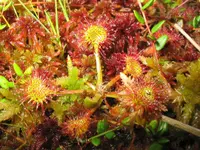
Roundleaf Sundew
Drosera rotundifolia
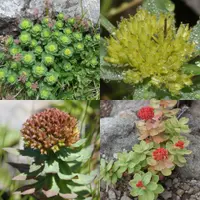
Arctic root
Rhodiola rosea
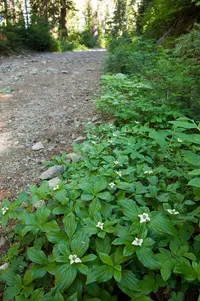
bunchberry
Cornus canadensis
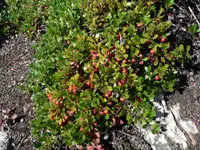
bearberry
Arctostaphylos uva-ursi
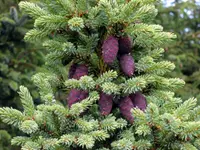
Black Spruce
Picea mariana
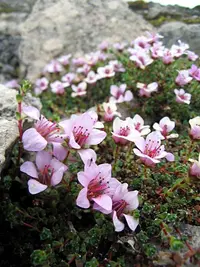
purple mountain saxifrage
Saxifraga oppositifolia
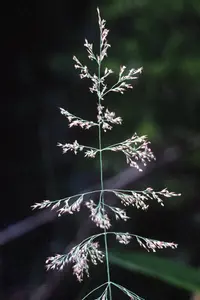
Bluejoint Reed Grass
Calamagrostis canadensis
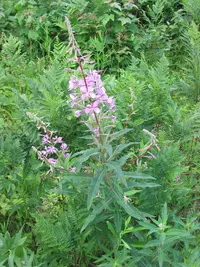
Fireweed
Epilobium angustifolium
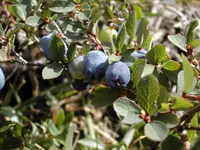
bog blueberry
Vaccinium uliginosum
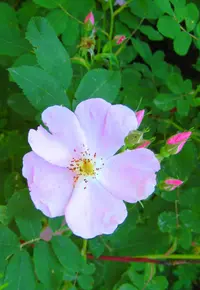
prickly rose
Rosa acicularis
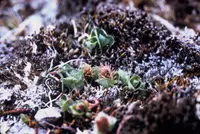
arctic willow
Salix arctica
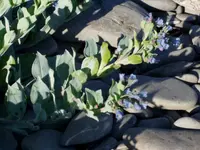
oysterleaf
Mertensia maritima
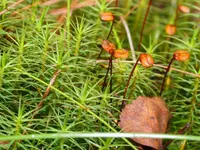
Common Haircap Moss
Polytrichum commune
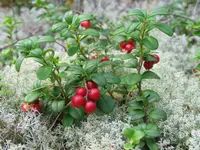
Cowberry
Vaccinium vitis-idaea
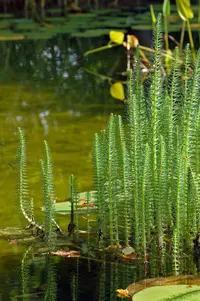
common mare's-tail
Hippuris vulgaris
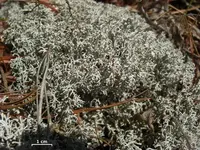
gray reindeer lichen
Cladonia rangiferina
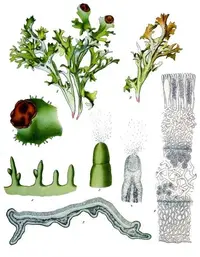
island cetraria lichen
Cetraria islandica

watermelon snow
Chlamydomonas nivalis
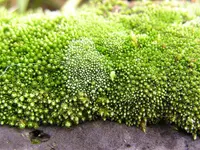
silvergreen bryum moss
Bryum argenteum
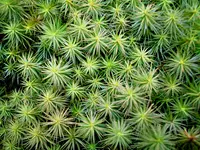
juniper polytrichum moss
Polytrichum juniperinum
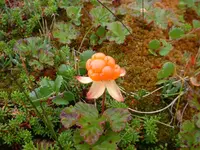
cloudberry
Rubus chamaemorus
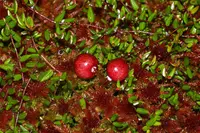
Small Cranberry
Vaccinium oxycoccos
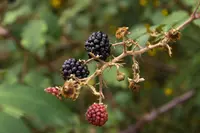
arctic raspberry
Rubus arcticus
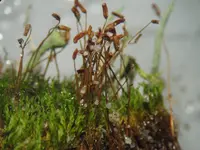
ceratodon moss
Ceratodon purpureus
Unique Polar Flora Explained
Polar flora follows its own logic — it unites all the species shaped by the same extreme environmental pressures. Currently, there are roughly 28,000 known polar species. You might have heard some of the polar plants’ names, such as Arctic poppy, Arctic willow, or Purple mountain saxifrage.
They all, along with many other mosses, lichens, sedges, shrubs, and flowering plants, developed specific mechanisms to survive in an extremely cold and dry environment.
Adaptations help them grow in nutrient-poor soil above permafrost, where strong winds can physically harm them. Also, they must take advantage of intense but brief summer sunlight. The growing season for such species is incredibly short — it typically lasts from just a few weeks to a few months.
Most Distinctive Polar Plants & Their Adaptations
There are a few key adaptations that help such plants survive. First, many of them grow very low, as close to the ground as possible, often in a cushion form that allows them to create their own warmer microclimate. Many have a layer of fine hairs on the surface to trap warm air and protect the living cells from frost damage.
Flowering plants form buds and set seed very rapidly, though some buds wait for another season to open when conditions allow. Also, polar species have proteins to prevent ice crystal formation and grow shallow, adapted roots to access nutrients.
If you want to know more polar region plants’ names, take a look at the list above and learn everything about these unique species, from water requirements to the range of favorable temperatures.