island cetraria lichen Care (Cetraria islandica)

Also known as: Iceland Lichen, True Iceland Lichen, Iceland Moss
island cetraria lichen

About island cetraria lichen

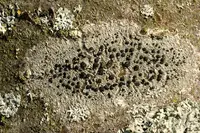
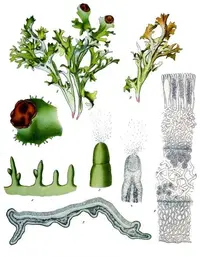
Island cetraria lichen, Cetraria islandica, is a cold-climate lichen rather than a true plant, formed by a partnership between a fungus and an alga. It grows as low, tufted mats with branched, leaf-like lobes, usually brownish-green when moist and paler or crisp when dry.

This lichen is native to Arctic and subarctic regions, commonly found on acidic, well-drained soils and open, windswept heaths. It is slow-growing and sensitive to air pollution and trampling, which makes it harder to cultivate and explains why people rarely care for island cetraria lichen in typical gardens.

In general, it prefers cool temperatures, high air humidity, clean air, and bright but not scorching light, often with seasonal snow cover in nature.

Main Plant Requirements

Care Difficulty

Hard Care

Light Preference

Partial Sun

Water Requirements

Low Water

Temperature Preference

Cold Hardy

Hardiness Zone

2–6

Soil Texture

Rocky, Sandy, Peaty

Soil pH

Strongly acidic (4.5–5.5), Acidic (5.5–6.5)

Soil Drainage

Well-drained

Fertilization

Minimal (feed rarely)

Get Personalized Care Plan

Scan your plant to receive care tips personalized for your specific plant

Available on iOS and Android

How to Care for the island cetraria lichen

This lichen prefers cool, bright conditions that mimic open, northern heath or tundra habitats.

  • Provide 4–6 hours of soft, indirect light or weak morning sun; strong afternoon sun in warm climates can scorch and desiccate island cetraria lichen.
  • Allow dappled or partial shade during the hottest part of the day, especially in summer or at low latitudes with higher sun intensity.
  • In winter, ensure exposure to bright, diffuse light by avoiding deep shade from snow cover, dense shrubs, or overhanging structures.

Watering should mimic natural cycles of wetting and drying on cool, well-drained, acidic substrates.

  • Rehydrate only when the surface and top 2–5 mm of its substrate feel fully dry; brief soaking or misting is usually enough, then allow it to dry out completely.
  • Reduce soaking frequency in cool, low-light seasons and after prolonged rainy periods outdoors to avoid persistent saturation.
  • Watch for limp, brittle, or pale-grey tissue as a sign of prolonged dryness, and dark, soft, or foul-smelling patches as an indication of overwatering and decay.

Temperature needs are cool to cold, reflecting its native Arctic and subarctic distribution.

  • Optimal active growth occurs around 40–55°F (4–13°C), though the lichen remains viable across a wider cool range.
  • It tolerates very low temperatures, surviving well below 0°F (-18°C) when dry, and is not damaged by normal winter frosts.
  • Heat above about 75–80°F (24–27°C), especially with strong sun and low humidity, can cause stress; provide shade and airflow during hot spells.

This lichen prefers cool, moist air and reacts quickly to very dry indoor conditions.

  • Aim for 50–70% humidity; it tolerates brief dips lower but should not stay under 40% for long.
  • Crisping, brittleness, and faded color indicate humidity stress in island cetraria lichen.
  • Increase humidity with a nearby open tray of water and rocks or by grouping moisture-loving plants around the lichen.

This species naturally grows on nutrient-poor, well-drained substrates rather than conventional potting soil.

  • Use a very coarse, airy mix such as 50% sand or fine grit with 50% shredded bark or peat-free moss fragments to mimic rocky ground.
  • Ensure extremely sharp drainage; excess water must pass through rapidly to keep the lichen surface only briefly damp.
  • Keep pH slightly acidic to neutral, around 5.0–7.0, avoiding limed or highly alkaline mineral mixes for Cetraria islandica.
  • Avoid rich compost, manures, or dense loam, which hold moisture and nutrients that can encourage rot and competing algae.

This species can be maintained in shallow containers mainly as a display or study specimen rather than a traditional potted plant.

  • Choose a wide, shallow tray that lets the thallus spread horizontally without piling, which reduces air flow around the lobes.
  • Elevate the container slightly on feet or spacers so air can move under it and help dry the substrate surface between misting.
  • Use unglazed clay or other porous material to reduce prolonged surface wetness and keep the lichen from staying saturated.

This lichen is adapted to nutrient-poor sites and generally performs best with no added fertilizer.

Cetraria islandica needs only minimal intervention, mainly to maintain cleanliness and sampling quality.

  • Trim away dead, decayed, or heavily soiled thalli using small, clean scissors.
  • Remove overcrowded or overlapping mats only where airflow is blocked or growth is shading nearby vegetation.
  • Avoid heavy cutting; excessive removal can reduce the lichen’s ability to photosynthesize and recover.

When grown on substrates in culture or display, this lichen is moved rather than traditionally repotted.

  • Transplant small tufts when they detach, decline, or when the substrate breaks down or becomes unstable.
  • Carry out moves in cool, moist weather to limit desiccation stress on the lichen thalli.
  • Lift clumps gently, keeping natural attachments and any hosting bark or rock fragments intact.
  • Place onto a similar, well-drained, nutrient-poor substrate and keep conditions cool and humid while it re-establishes.

Propagation of Cetraria islandica is usually done by division of existing thalli rather than by spores in home settings.

  • Select healthy, elastic clumps and break them by hand into several small pieces, each with intact branches.
  • Carry out division during cool, moist periods to reduce drying and improve establishment.
  • Press fragments lightly onto suitable bark, rock, or gritty, nutrient-poor media without burying them.
  • Maintain high humidity, bright indirect light, and gentle airflow so fragments attach and resume growth.

This cold-adapted lichen is naturally hardy in freezing climates and usually needs no special winter care.

Care Tips

Mimic wind exposure

Place the lichen in a very well-ventilated, drafty spot or use a small fan on a low setting for a few hours a day to simulate the constant air movement it experiences in the wild and reduce mold risk.

Use snow soaks

In winter, if clean snow is available, pack it loosely over the lichen in a tray and let it melt slowly to provide a cool, gradual moisture supply similar to natural snowmelt conditions.

Alternate wet and dry

Instead of keeping it evenly damp, fully moisten the thallus, then allow it to dry almost completely for 1–3 days before the next soak, which better matches its natural hydration cycle and prevents rot.

Monitor thallus texture

Check the lichen regularly and use its texture as a guide, rehydrating only when it feels crisp and brittle rather than just slightly dry, since this trait is a more reliable cue than calendar-based watering for caring for island cetraria lichen.

Avoid nutrient inputs

Do not add fertilizer, compost, or enriched substrates and, if needed, rinse the lichen a few times per year with rainwater or distilled water to wash away accumulated nutrients and pollutants that can damage the symbiosis between fungus and alga.

Common Pests and Diseases

Lichenicolous fungi

This disease involves specialized fungi that live on and parasitize the lichen thallus, causing discoloration, deformities, or localized necrotic spots. Symptoms include dark fruiting bodies, roughened patches, or death of small thallus sections.

Solution

Remove and discard heavily colonized patches to prevent spread, and avoid collecting or placing material from obviously infected wild populations near healthy cultures. Maintain good air circulation and avoid prolonged surface wetness, as this favors fungal infection and makes Cetraria islandica plant care more difficult under cultivation.

Mite infestation

This pest consists of tiny arachnids feeding on the lichen surface, leading to pale stippling, fine speckling, or a dusty appearance on branches and lobes. Symptoms include slowed growth and a dull, uneven color in affected areas.

Solution

Rinse the lichen gently with cool, clean water and allow it to dry in a well‑ventilated, bright but indirect light location. If mites persist, use a mild insecticidal soap or horticultural oil spray at low concentration, then improve air movement and avoid overly warm, stagnant storage conditions.

Springtail grazing

These insects are small, moisture‑loving arthropods that feed on decaying organic matter and can graze on lichen tissue when populations are high. Symptoms include fine surface nibbling, small irregular pits, and a slightly shredded look, especially in very damp containers or trays.

Solution

Reduce excess moisture, improve drainage, and allow the substrate or mounting surface to partially dry between misting or soaking cycles to discourage large springtail populations. If needed, physically tap or rinse the lichen to remove insects, and limit decomposing plant debris in the culture area.

Slugs and snails

These pests feed on softer lichen lobes, especially in outdoor or very humid setups, leaving ragged edges and missing patches. Symptoms include slime trails, irregular bite marks, and sudden loss of whole sections overnight.

Solution

Hand‑remove slugs and snails when seen, and use physical barriers such as copper tape or rough mineral mulches around cultivated patches or trays. Reduce hiding places by clearing debris, and if necessary employ targeted, iron‑phosphate slug baits placed away from the main lichen mat.

Algal overgrowth

This disease state occurs when free‑living algae overgrow the thallus surface under constant high moisture and low air movement, forming green films that shade and stress the lichen. Symptoms include a slimy green coating and reduced color contrast in the lichen structure.

Solution

Increase air circulation, provide brighter but still indirect light, and lengthen drying periods between misting or soaking to discourage surface algae. Gently rinse the thallus with clean water to remove loose algal films, and avoid nutrient‑rich water sources that promote algal blooms.

Interesting Facts

Lichen, not a moss

This species is a lichen formed by a partnership between a fungus and a photosynthetic alga, creating a fruticose, leaf-like thallus that can survive long cold seasons on exposed ground and rocks.

Arctic and alpine specialist

It is especially common in subarctic and arctic heathlands and alpine zones, where it tolerates low temperatures, high light, and short growing seasons better than many vascular plants.

Food for reindeer

In northern ecosystems, this lichen is an important winter forage for reindeer and caribou, which can dig through snow to reach it when other plant food is scarce.

Botan icon

Did you know?

Historical accounts from Iceland and northern Europe describe this lichen being collected, soaked, and boiled to remove bitterness, then dried and ground into flour substitutes during famines, making it a documented emergency food source for humans.

FAQs about island cetraria lichen

This species is technically edible and has been used traditionally as food and medicine after careful processing to remove bitter acids. Raw material can be very bitter and irritating, so consumption without proper preparation is not advised.

Grow Healthy Plants with Botan Care

Keep your plants happy and healthy with plant identification, disease detection, and easy care guidance.

Botan plant care app — identify plants on mobile

Explore More Plants