cracked lichen Care (Acarospora socialis)

Also known as: Yellow Cobblestone Lichen
cracked lichen

About cracked lichen

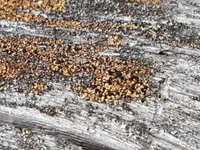
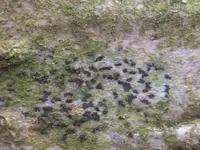
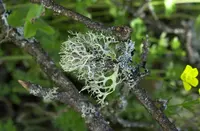
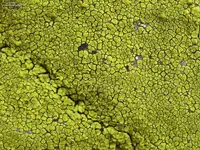
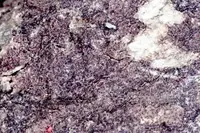
Cracked lichen, Acarospora socialis, is a crust-forming lichen rather than a traditional leafy plant. It forms tight, flat patches of small, angular plates that look like cracked, yellow to orange paint on rock surfaces. The texture is hard and firmly attached to its substrate.

This species naturally occurs in arid and semi-arid regions, especially on sun‑exposed rocks and masonry. It grows very slowly and is quite tolerant of drought, strong light, and poor substrates, which can make it surprisingly durable in niche cultures.

For those wanting to learn how to care for cracked lichen, success usually depends on providing bright light, good air flow, and a stable, dry to slightly moist mineral surface.

Main Plant Requirements

Care Difficulty

Moderate Care

Light Preference

Full Sun

Water Requirements

Low Water

Temperature Preference

Warm Climate

Hardiness Zone

8–11

Soil Texture

Sandy, Rocky

Soil pH

Slightly alkaline (7.0–7.5), Alkaline (7.5–8.5)

Soil Drainage

Well-drained

Fertilization

Minimal (feed rarely)

Get Personalized Care Plan

Scan your plant to receive care tips personalized for your specific plant

Available on iOS and Android

How to Care for the cracked lichen

Acarospora socialis is a sun-loving crustose lichen that thrives in bright, open sites.

  • Provide 6–10 hours of direct sun daily; full sun is ideal on exposed rock, soil crusts, or masonry surfaces.
  • It tolerates light partial shade, but persistent shade reduces color intensity and can slow growth of cracked lichen patches.
  • In very hot summers, intense afternoon sun on dark rock can cause overheating; slight afternoon shade or sloped aspects reduce thermal stress.

This lichen is highly drought-tolerant and should stay mostly dry between natural wetting events.

  • Allow the substrate to dry completely between soakings; only rewet when the surface feels bone dry and pale, not dark or damp.
  • Use brief, thorough wetting that drains or evaporates within a few hours; avoid sites where water pools or soil stays wet for more than 24 hours.
  • Signs of overwatering include soft, greenish, or peeling thalli, while very long dry spells may cause dull, brittle pads that rehydrate quickly after mist or rain.

This species is well adapted to wide outdoor temperature swings but has limits at both extremes.

  • Optimal activity occurs around 50–80°F (10–27°C), with metabolic processes like photosynthesis and respiration most efficient in mild, moist conditions.
  • It tolerates winter cold down to about 10–15°F (-12–-9°C) when dry, but repeated freeze–thaw with surface ice can damage exposed colonies.
  • Heat tolerance is high on sun-baked rock up to 100–110°F (38–43°C) if some airflow exists, yet prolonged heat with high humidity may increase stress and surface cracking.

Humidity is not a significant factor for Acarospora socialis, which is adapted to very dry, exposed habitats.

This lichen anchors to mineral surfaces rather than growing in typical potting soil.

  • In cultivation, use a very coarse, sandy mineral substrate with fine gravel or crushed rock and minimal organic matter.
  • Ensure extremely fast drainage; water must run through immediately, leaving the surface dry within a few hours.
  • Maintain slightly acidic to neutral conditions (pH 6.0–7.0) by using granite, sandstone, or inert gravel rather than limestone unless the local form prefers alkaline rock.
  • Avoid peat-heavy mixes, compacted fines, or moisture-retentive clays, which smother thalli and promote rot in Acarospora socialis.

This species can be grown in shallow containers that mimic exposed rocky surfaces.

  • Use a wide, low container to spread a single, stable layer of rocks or gravel that the lichen can colonize without being shaded by vertical edges.
  • Choose unglazed clay or stone containers, which dry rapidly and prevent prolonged surface dampness around the thalli.
  • Tilt the container slightly or elevate one side so runoff drains quickly and does not pool around the lichen colonies, especially after rain or irrigation.

Acarospora socialis is adapted to very low-nutrient habitats and usually needs no fertilization when grown on rock or bare mineral substrates.

Pruning Acarospora socialis is generally unnecessary and should be limited to minimal hygiene on cultivated specimens.

  • Carry out any cleaning in dry weather to limit moisture-related damage to the thallus surface.
  • Gently remove only obviously dead, detached, or decaying fragments using tweezers rather than blades.
  • Avoid cutting into healthy crusts, as this disrupts colony structure and slows regrowth.
  • Do not use disinfectants or sealants on the substrate, since they may harm lichen symbionts.

Cracked lichen is usually grown fixed to rock, so management focuses on careful transplanting rather than classic repotting.

  • Transplant only when the substrate rock must be moved or replaced, not on a schedule.
  • Best timing is during cool, stable weather to reduce desiccation stress on the lichen thallus.
  • Lift the lichen with a thin blade, keeping a thin layer of original substrate attached underneath.
  • Place onto a similar mineral surface, press gently, then keep in bright shade and slightly humid air until reattachment.

Propagation of Acarospora socialis is slow and specialized, and is usually left to natural spread rather than active production.

This lichen is highly cold hardy and typically needs no special winter care in outdoor rock or habitat plantings.

Care Tips

Substrate pre-weathering

Expose new rock or clay pots outdoors for several months so rain and sun leach soluble salts before inoculating them, which reduces stress on freshly applied Acarospora socialis thalli.

Gentle lichen inoculation

To start new colonies, lightly crush a small piece of healthy thallus into a fine powder, brush it onto a rough, mineral-rich surface, then mist once to set the particles without washing them away.

Secure microclimate placement

Mount the host rock where it receives good air movement but is shielded from direct hose spray and roof runoff, which prevents mechanical damage to the brittle crust.

Avoid nutrient contamination

Keep cracked lichen away from fertilized garden beds, lawn runoff, or compost leachate, since excess nutrients encourage algae and moss that outcompete the lichen.

Monitor with magnification

Inspect colonies a few times per year with a simple hand lens to check for color changes, cracking patterns, or encroaching moss, which allows early adjustments when caring for cracked lichen.

Common Pests and Diseases

Air pollution damage

Symptoms include bleaching, browning, or dead patches on the lichen surface, often on exposed outer edges facing roads or industrial areas. This issue is caused by long-term exposure to sulfur dioxide, nitrogen oxides, or other airborne pollutants that disrupt normal lichen metabolism.

Solution

Reduce exposure by positioning collected rock pieces away from heavy traffic, chimneys, or industrial exhaust where possible, and avoid cleaning nearby hard surfaces with harsh chemicals. Over time, maintain only the healthiest, least-damaged thalli and allow new, pollution-tolerant growth to dominate, since severely damaged patches rarely recover fully.

Chronic desiccation stress

This condition shows as pale, brittle, and fragmenting thalli that do not regain normal color after wetting. It develops when lichen on rocks is kept in extremely dry, heat-reflective microhabitats with almost no periodic moisture.

Solution

Improve microclimate by providing occasional fine misting during extended dry spells and, in cultivation, placing the rock where it receives brief early-morning moisture but dries fully afterward. Avoid constant high heat from dark, sun-baked surfaces and do not attempt to compensate with continuous watering, which can encourage algae overgrowth instead of healthy lichen structure.

Overgrowth by green algae

Symptoms include a dull green film or slimy layer forming between or over the yellow crust, often after extended shading and frequent wetting. This condition suppresses normal lichen photosynthesis and can slowly smother the thallus.

Solution

Reduce watering frequency and ensure the rock is placed in bright, open conditions with good airflow so it can dry between wetting events. If the algae layer is thick, gently scrub the rock surface around, not directly on, the healthiest lichen patches with a soft brush, then maintain a drier, brighter exposure to favor lichen over free-living algae, which is a key part of Acarospora socialis care instructions.

Interesting Facts

Sun-exposed crust specialist

This species commonly forms bright yellow crusts on exposed, sun-baked rock in arid and semi-arid regions of the southwestern United States, especially on granitic and volcanic substrates.

Patchy, areolate thallus

The thallus breaks into small, polygonal patches called areoles, which can develop cracked, tile-like patterns as the lichen ages and expands across rock surfaces.

Nitrogen-sensitive bioindicator

Field studies in the western US show that this species can decline in areas with elevated nitrogen deposition, so its local abundance is sometimes used as a rough indicator of low atmospheric nitrogen input.

Botan icon

Did you know?

Acarospora socialis often forms extensive, continuous yellow carpets that can visually dominate entire rock faces in desert landscapes, making it one of the most conspicuous crustose lichens in parts of the Mojave and Sonoran deserts.

FAQs about cracked lichen

Growth is very slow. Under stable, undisturbed conditions, it may add only a few millimeters per year. Many patches seen on rocks are several decades old. Disturbance, pollution, or shading often slows growth even more.

Grow Healthy Plants with Botan Care

Keep your plants happy and healthy with plant identification, disease detection, and easy care guidance.

Botan plant care app — identify plants on mobile

Explore More Plants