Acolium karelicum Care

Acolium karelicum

About Acolium karelicum

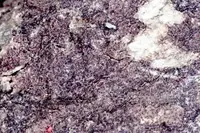
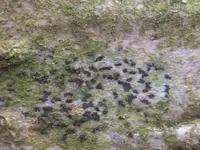
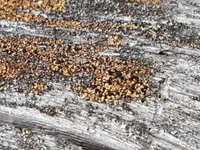
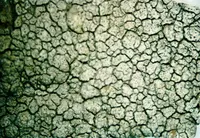
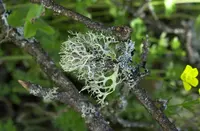
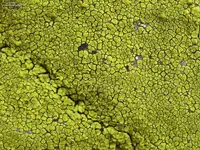
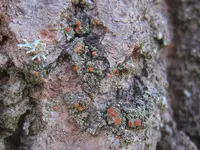
Acolium karelicum is a crustose lichen, not a typical leafy houseplant. It forms thin, crust-like patches tightly attached to bark or rock surfaces. The thallus, or lichen body, is usually gray to dark brown with small fruiting structures that release spores.

This species is naturally found in cool, boreal regions, especially in northern Europe, often on old conifer trunks in clean, unpolluted forests. It is slow-growing and sensitive to air pollution and habitat disturbance, which makes it challenging to cultivate deliberately. Those who attempt to care for Acolium karelicum need to focus on stable, cool, moist, and well-ventilated conditions that mimic its natural environment.

Main Plant Requirements

Care Difficulty

Moderate Care

Light Preference

Partial Shade

Water Requirements

Moderate Water

Temperature Preference

Warm Climate

Hardiness Zone

Unknown

Soil Texture

Loamy

Soil pH

Slightly acidic (6.5–7.0)

Soil Drainage

Well-drained

Fertilization

Minimal (feed rarely)

Get Personalized Care Plan

Scan your plant to receive care tips personalized for your specific plant

Available on iOS and Android

How to Care for the Acolium karelicum

This lichen prefers cool, stable light rather than strong direct sun.

  • Provide bright shade or dappled light with short periods of weak morning sun, avoiding direct midday or afternoon sun that can scorch the thallus surface.
  • Aim for 4–6 hours of indirect outdoor light daily; in deeper shade growth slows and color may become dull or patchy.
  • In summer, protect Acolium karelicum from intense, drying exposure, while in winter ensure it still receives open sky light without heavy canopy cover.

Water needs focus on maintaining even moisture around the substrate rather than soaking the lichen directly.

  • Allow the substrate surface to dry slightly between wettings, then moisten thoroughly without creating standing water or persistent runoff.
  • Reduce watering during cool, short-day periods when evaporation slows, and increase light misting or moisture exposure during warm, dry, windy weather.
  • Watch for signs of overwatering such as persistent dark, slimy patches on the supporting surface versus crisp, pale, and brittle tissue that indicates prolonged drying.

This species favors cool to moderately cold conditions with good air movement.

  • Target a general range of 40–65°F (4–18°C) for steady growth, avoiding prolonged exposure above 77°F (25°C) where drying stress increases.
  • Tolerates brief drops near 14°F (-10°C) when attached to natural rock or bark, but repeated freeze-thaw with surface ice can damage the thallus.
  • Avoid hot, enclosed spots and surfaces that heat above air temperature, and provide shade or airflow during heat waves exceeding 80–86°F (27–30°C).

This lichen tolerates a wide humidity range but performs best with stable, moderately moist air.

  • Aim for 50–70% humidity, avoiding prolonged exposure to very dry, heated indoor air.
  • Dry air stress shows as brittle, crumbling thalli and loss of surface color contrast.
  • Increase humidity by placing it near other moisture-loving plants or above a tray of damp pebbles without submerging the substrate.

This species anchors to firm, mineral-based substrates rather than typical potting soil, so focus on structure and drainage.

  • Use a coarse, gritty mix such as 50% fine gravel or sharp sand with 50% low-organic mineral substrate, mimicking rocky surfaces.
  • Ensure very fast drainage; water must pass through in seconds, leaving the medium just faintly damp, not wet.
  • Maintain slightly acidic to neutral conditions, roughly pH 5.5–7.0, avoiding limed or strongly alkaline materials unless the natural population is calcareous.
  • Avoid peat-heavy, dense, or continuously wet mixes, which restrict air flow around the lichen and promote rot or algal overgrowth.

This species can be grown in shallow containers if they are set up to mimic its natural, rocky substrate.

  • Choose a wide, shallow tray that allows the lichen to spread horizontally while keeping the substrate thin and well aerated.
  • Line the container base with a coarse mineral layer so excess water drains instantly away from the attached thalli.
  • Select unglazed clay or other porous materials to speed evaporation and prevent prolonged surface dampness that favors competing moss or algae.

This lichenized fungus grows on nutrient-poor substrates and generally does not benefit from supplemental feeding in cultivation.

Acolium karelicum does not require true pruning; only minimal cleaning is appropriate in monitored collections.

  • Work outside the active growth period, ideally in late autumn, to avoid disturbing developing structures.
  • Remove only clearly dead, detached, or contaminated thallus fragments using fine tweezers or gloved fingers.
  • Avoid cutting living tissue, which can reduce colony stability and impair long-term survival.
  • Disinfect tools if used, limiting pathogen transfer between specimens or substrate pieces.

When maintained in specialized collections, this crustose lichen is moved only when substrate conditions degrade or space becomes limiting.

  • Transplant when the substrate slab is crumbling, heavily contaminated with algae, or overgrown, rather than on a fixed schedule.
  • Time moves for cool, stable weather in spring or early autumn to limit desiccation stress.
  • Shift entire bark or rock pieces without peeling the lichen; retain orientation to light and moisture exposure.
  • Handle gently, keep surfaces slightly moist, and avoid burying or shading the thallus to reduce shock.

Propagation of Acolium karelicum is specialized and typically limited to research or conservation settings.

  • Use natural fragments or soredia-like particles transferred onto suitable bark or rock rather than conventional cuttings.
  • Attempt new colonies in cool, clean, shaded sites with stable humidity and low nutrient levels.
  • Carry out transfers in spring or early autumn to match moderate temperatures and reduced environmental stress.
  • Minimize handling, and avoid fertilizers or biocides that disrupt the symbiosis between fungal and algal partners.

This species is cold hardy in its native range and generally needs no dedicated winter care outdoors.

  • For ex situ collections in very exposed sites, place substrates where snow cover can form a natural insulating layer.
  • Avoid freeze–thaw cycling near buildings or heated structures that can physically damage the thallus.
  • Container-held substrate slabs are best kept in an unheated, bright, well-ventilated shelter to stay cold but not overly wet.

Care Tips

Substrate selection

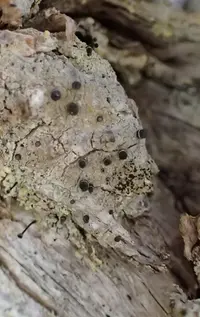
Mount colonies on inert, well-drained substrates such as weathered bark or porous rock to mimic the natural saxicolous or corticolous habitat and prevent constant saturation around the thallus.

Air circulation management

Provide steady, gentle air movement using a small fan on a low setting to reduce prolonged surface wetness and lower the risk of algal overgrowth or opportunistic fungi on the lichen surface.

Moisture pulse scheduling

Use short, periodic misting or dipping sessions followed by complete surface drying rather than keeping the lichen continuously damp, as lichenized fungi rely on hydration–desiccation cycles for healthy metabolism.

Light acclimation

When increasing light exposure, shift the substrate a little closer to the light source every 5–7 days to avoid photo-bleaching of the photobiont layer and to stabilize pigmentation while growing Acolium karelicum.

Contaminant avoidance

Position the culture away from kitchens, smoke, scented candles, and aerosol products, since airborne pollutants and oils can coat the thallus surface and interfere with gas exchange and photosynthesis during Acolium karelicum care.

Common Pests and Diseases

Lecanoraceae-feeding mites

This pest targets the lichen thallus, scraping the surface and feeding on algal cells, which leads to pale, roughened patches and a generally thinned crust. Symptoms include localized discoloration and a sandblasted appearance on affected areas.

Solution

Reduce stress on the lichen by maintaining stable, cool, well-ventilated conditions and avoiding direct heat or desiccation of the substrate. On small cultivated samples, gently brush off visible mites with a soft, dry artist’s brush and, if infestation persists, place the substrate outdoors in naturally cooler, humid, shaded conditions that favor lichen recovery and disfavor mite buildup.

Lichenicolous fungi overgrowth

This disease is caused by specialized fungi that invade the thallus, producing dark spots, swellings, or distorted tissue that slowly replace healthy lichen. Symptoms include black, brown, or orange specks or patches that spread irregularly across the crust.

Solution

Remove and discard heavily colonized fragments to prevent spread across a small cultured sample. Improve air movement and avoid long periods of surface wetness by allowing the lichen to dry between misting events, which supports the host lichen and limits favorable conditions for lichenicolous fungi.

Algal bleaching from air pollutants

This disease-like stress response occurs when sensitive algal partners inside the lichen are damaged by sulfur dioxide, nitrogen oxides, or other pollutants, causing whitish, yellow, or gray bleached zones. Symptoms include uneven fading and loss of the normal bluish or grayish tone, often starting on exposed margins.

Solution

Relocate cultivated material to a cleaner-air location away from traffic and combustion sources, such as a shaded outdoor area with good air circulation. Avoid additional stresses like overheating or prolonged drying, and allow time for any remaining healthy tissue to slowly recolonize damaged zones, which is essential for successful growing Acolium karelicum.

Microarthropod grazing damage

These insects and tiny arthropods, such as springtails and small isopods, feed on organic films and marginal lichen tissue, leaving irregular bite marks, frayed edges, and small gaps in the crust. Symptoms include finely shredded margins and missing fragments, especially on younger, thinner parts of the thallus.

Solution

Limit organic debris around the substrate to reduce habitat and food for grazing microarthropods, and keep the culture on clean, mineral-based surfaces. If damage is visible, gently move the lichen to a new, cleaner support and, if practical, elevate it above soil or leaf litter to reduce further grazing pressure.

Interesting Facts

Boreal lichen specialist

This crustose lichen occurs mainly on old, base-rich conifer bark in cool boreal and hemiboreal forests of northern Europe, with a strong concentration in Fennoscandia.

Sensitive forest indicator

Its presence is used as an indicator of long forest continuity and low air pollution, since the species is absent from intensively managed or polluted stands.

Minute but distinctive spores

The species produces small, dark brown, 1-septate ascospores whose size and shape, together with its thin, dark thallus, help distinguish it from closely related Acolium species under the microscope.

FAQs about Acolium karelicum

This lichen is not suitable as a typical houseplant. It grows best outdoors on natural substrates under cool, clean, humid conditions. Acolium karelicum indoor care is generally not practical, since indoor environments rarely meet its ecological needs.

Grow Healthy Plants with Botan Care

Keep your plants happy and healthy with plant identification, disease detection, and easy care guidance.

Botan plant care app — identify plants on mobile

Explore More Plants