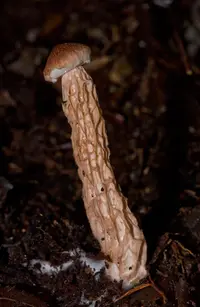
rimmed lichen Care (Aspicilia cinerea)

Also known as: Cinder lichen;   Rimmed lichen, cinder lichen, Stool Pigeon
rimmed lichen

About rimmed lichen

Rimmed lichen, Aspicilia cinerea, is a crustose lichen that forms flat, tightly attached patches on rock surfaces. It often appears gray to pale whitish with distinct round, rimmed sections. This species commonly grows on exposed rocks in cool to temperate regions, including mountains, rocky coasts, and man-made stone structures. It tolerates harsh conditions, such as wind, drought, and strong light, but grows very slowly. Because it depends on clean air and stable, undisturbed surfaces, it is not a typical houseplant and is challenging to cultivate. Enthusiasts who want to care for rimmed lichen usually focus on maintaining suitable outdoor rock habitats rather than traditional potted culture.

Main Plant Requirements

Care Difficulty

Hard Care

Light Preference

Full Sun

Water Requirements

Low Water

Temperature Preference

Cold Hardy

Hardiness Zone

3–8

Soil Texture

Rocky, Sandy

Soil pH

Slightly acidic (6.5–7.0), Neutral (7.0)

Soil Drainage

Well-drained

Fertilization

Minimal (feed rarely)

Get Personalized Care Plan

Scan your plant to receive care tips personalized for your specific plant

Available on iOS and Android

How to Care for the rimmed lichen

Aspicilia cinerea thrives in bright, open sites that mimic exposed rock habitats.

  • Provide 6–10 hours of direct sun daily; full sun is ideal in cool to mild climates, with some light afternoon shade in very hot regions.
  • Rimmed lichen tolerates partial shade, but growth slows and color may dull if direct sun drops below about 4 hours per day.
  • On south- or west-facing rocks, strong summer sun can overheat surfaces; slight shading or sloped exposure reduces scorching and desiccation risk.

This lichen is adapted to very dry, fast-draining conditions and should not be kept constantly moist.

  • Allow rock or substrate to dry completely between natural rain events; in cultivation, only moisten when the surface has been dry for several days or longer.
  • Use sharply draining mineral substrates or bare rock so water runs off quickly and does not pool around thalli, which encourages rot and algae.
  • Signs of chronic overwatering include soft, discolored patches and green algal films; prolonged drought is usually tolerated, with thalli simply appearing dry and pale.

This species is highly cold-tolerant and adapted to wide outdoor temperature swings.

  • Optimal growth occurs roughly between 40–75°F (4–24°C), especially during cool, moist periods in spring and fall.
  • It tolerates winter lows well below 0°F (-18°C) when attached to stable rock, as long as freeze–thaw cycles are natural and not combined with de-icing salts.
  • Summer heat up to about 90–95°F (32–35°C) is usually tolerated if rock surfaces are not baked for long periods without any moisture input.

Humidity is not a major factor for Aspicilia cinerea, which is adapted to exposed, dry conditions.

Aspicilia cinerea naturally colonizes bare rock or extremely thin mineral substrates, so any artificial soil should mimic these harsh, low-organic conditions.

  • Use a very gritty, mineral-based mix such as 60–80% coarse sand, fine gravel, or crushed granite with minimal organic matter.
  • Ensure rapid drainage with no water-holding layer; water must pass through and away within seconds after irrigation or rain.
  • Keep pH slightly alkaline to neutral by including limestone chips or a small amount of crushed oyster shell if local water is soft.
  • Avoid peat-heavy, compact, or moisture-retentive mixes, which promote rot and smother the lichen’s thallus surface.

This species can be kept in shallow containers as a lichen rock garden rather than a conventional potted plant.

  • Place flat stones or rubble in a wide, shallow tray so water flows off quickly and does not pool around the thalli.
  • Choose unglazed clay or porous stone containers to speed evaporation and keep surfaces dry between wetting events.
  • Tilt the container slightly or drill side outlets so heavy rain or overhead irrigation cannot collect at the base of the lichen.

Aspicilia cinerea, or rimmed lichen, normally grows on nutrient-poor rock and does not need intentional fertilizing.

Aspicilia cinerea does not require active pruning, since it is a crustose lichen firmly attached to rock surfaces.

This lichen is best left on its original rock substrate and is not suited to conventional repotting.

  • If grown in a dish garden, mimic natural rock surfaces instead of organic potting mixes.
  • Relocate only small rock fragments naturally bearing the lichen rather than trying to peel it off.
  • Move rocks gently to reduce mechanical damage, keeping orientation similar to the original site.
  • Avoid frequent disturbance; treat any move as a long-term placement rather than routine transplanting.

Aspicilia cinerea propagation is slow and specialized, so most growers rely on natural spread rather than active methods.

This lichen is highly cold hardy and typically needs no special winter care in outdoor conditions.

Care Tips

Mimic natural substrate

Attach thalli to rough, porous rock or unglazed clay rather than smooth surfaces, as this mimics the mineral-rich stone it colonizes in nature and improves long-term anchoring.

Use minimal handling

Handle the lichen as little as possible and move it by the supporting rock or slab, since direct touching and flexing of the crust can crack the thallus and slow recovery.

Provide good airflow

Place mounted pieces in an open, airy position and avoid closed containers, because stagnant air encourages algal overgrowth and sooty molds on the lichen surface.

Seasonal moisture rhythm

If grown outdoors, allow exposure to natural rainfall in cool seasons and provide a drier regime in hot, bright periods to imitate its native climate rhythm and reduce stress.

Gentle cleaning practice

If dust accumulates, use a soft dry brush or a brief, gentle water spray from a distance instead of wiping, which protects the delicate surface while maintaining appearance when caring for rimmed lichen.

Common Pests and Diseases

Airborne pollutants

Symptoms include bleaching, reduced growth, and eventual death of thallus patches on rock surfaces exposed to polluted air. This problem is closely linked to high levels of sulfur dioxide and other urban or industrial emissions.

Solution

Reduce exposure by avoiding collection or placement of lichen-covered rocks in areas with heavy traffic, industrial exhaust, or fireplace/woodstove smoke. For hobby displays, choose locations with clean outdoor air or well-ventilated indoor areas and avoid burning candles, incense, or smoking nearby to support long-term Aspicilia cinerea care.

Nutrient enrichment

This disease-like decline occurs when excess nutrients from bird droppings, fertilizer runoff, or compost contact the lichen surface. Symptoms include overgrown or blackened patches, invasion by algae or moss, and eventual loss of the lichen crust.

Solution

Limit direct contact with fertilizers, compost tea, or soil-rich runoff and do not position lichen-covered rocks under bird feeding stations. If enrichment occurs, gently rinse with clean water, allow the rock to dry fully, and relocate to a lower-nutrient, more exposed site so the lichen can stabilize.

Surface algal overgrowth

This condition appears as a green, slimy or powdery film forming over the pale gray lichen surface, especially in damp, shaded areas. Over time, the film can reduce photosynthesis in the lichen and cause thinning or patchy dieback.

Solution

Improve light and air movement by placing the rock in a brighter, wind-exposed position and avoiding deep shade or constantly damp micro-sites. In mild cases, allow natural drying cycles to clear the algae; do not scrub, as abrasion damages the lichen thallus and slows recovery.

Moss encroachment

This competitive overgrowth occurs when mosses establish directly around and over the lichen on rock, trapping moisture and shading the crust. Symptoms include shrinking lichen patches and dense green cushions replacing the original rimmed lichen surface.

Solution

Carefully remove loose moss by hand or with soft tweezers, lifting it away without scraping the rock, then place the rock in a slightly drier, more exposed location. Avoid mulching or adding soil at the rock base, since this encourages further moss development and speeds lichen loss.

Lichenivorous mites

These insects or mite-like arthropods feed directly on the lichen tissue, causing tiny pits, roughened surfaces, and small discolored spots. Damage is usually localized but can slowly expand in sheltered, humid conditions.

Solution

Gently rinse the rock surface with a light stream of clean water and allow it to dry fully in an airy, exposed spot, which discourages mite activity. For persistent problems on display pieces, a soft brush rinse under water followed by relocation to a cooler, breezier microhabitat reduces reinfestation without chemical treatment.

Interesting Facts

Granite specialist

This crustose lichen forms tightly attached, pale gray patches mainly on siliceous rocks such as granite and gneiss, making it a characteristic colonizer of exposed, nutrient-poor stone surfaces across Europe and other temperate regions.

Pollution-tolerant lichen

Aspicilia cinerea is relatively tolerant of atmospheric pollution compared with many lichens, so it can persist on urban stonework and monuments where more sensitive species disappear, and is sometimes used as an indicator of moderately polluted sites.

Patchwork thallus pattern

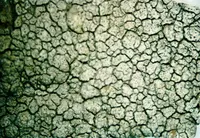
Its thallus often breaks into angular, tile-like areoles with slightly darker rims, creating the distinctive rimmed or cracked mosaic appearance that gives rise to the common name rimmed lichen and helps in reliable field identification.

FAQs about rimmed lichen

This crustose lichen grows very slowly, usually only a few millimeters per year. Growth rate depends on rock type, moisture, light, and air quality. Even in favorable conditions, noticeable expansion takes several years of stable habitat.

Grow Healthy Plants with Botan Care

Keep your plants happy and healthy with plant identification, disease detection, and easy care guidance.

Botan plant care app — identify plants on mobile

Explore More Plants