Clean host surface
Before attaching lichen fragments, gently brush the bark or rock with a soft brush to remove loose debris, algae, or moss so the thallus can make firm, stable contact.

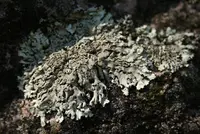
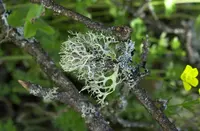
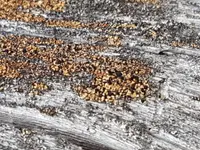
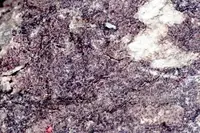
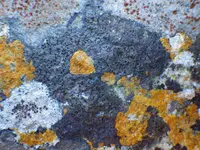
Catillaria fungoides is a crustose lichen, not a traditional leafy houseplant. It forms thin, patchy crusts tightly attached to bark, rock, or other stable surfaces. Colors are usually dull gray to brown, so it is more a subject of scientific interest than ornamental use.
This species occurs mainly in temperate regions, often in relatively clean, undisturbed habitats. It grows slowly and depends strongly on stable humidity and light conditions, which makes it difficult to cultivate deliberately. For those who want to learn how to care for Catillaria fungoides, it is usually best observed in situ rather than grown indoors or in pots.

Care Difficulty
Moderate Care

Light Preference
Partial Shade

Water Requirements
Moderate Water

Temperature Preference
Warm Climate

Hardiness Zone
Unknown

Soil Texture
Loamy

Soil pH
Slightly acidic (6.5–7.0)

Soil Drainage
Well-drained

Fertilization
Minimal (feed rarely)
Scan your plant to receive care tips personalized for your specific plant
Available on iOS and Android
This crustose lichen prefers cool, lightly shaded sites rather than strong, direct sun.
This lichen absorbs moisture from rain, fog, and surface dampness instead of root-based watering.
This species prefers cool to mild conditions and does poorly in prolonged heat or hard frost.
This crustose lichen tolerates a wide humidity range but grows best in consistently moist air.
This saxicolous lichen does not use traditional soil but can be cultured on carefully prepared inert or near-inert substrates.
This lichen can be maintained in shallow containers or trays mainly for observation and controlled culture.
This lichenized fungus typically grows on nutrient-poor bark or rock and does not need supplemental feeding in cultivation.
As a crustose lichen, this species does not benefit from structured pruning and should generally be left undisturbed.
In cultivation, this species is best managed by relocating its substrate rather than traditional repotting.
Deliberate propagation of this crustose lichen is slow, technically demanding, and rarely attempted outside research settings.
This species is generally cold hardy in its natural range and needs no special winter care in outdoor culture.

Plant Health Check
Not sure what's wrong with your plant? Check your plant's health inside the app.
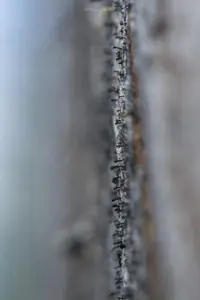
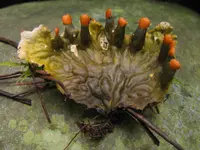
This species is a crustose lichen, forming a thin, tightly adhering crust on bark or wood, with tiny, often blackish apothecia (disk-like fruiting bodies) that are only clearly visible under magnification.
It is typically found on nutrient-poor, acidic bark, especially on conifers and some hardwoods, reflecting a preference for low-pH substrates and relatively low competition from other lichens.
Because it grows slowly and colonizes long-lived bark substrates, its presence can indicate relatively stable, undisturbed woodland conditions over extended periods.
This lichen is adapted to outdoor conditions on bark, rock, or wood and is not suited to typical indoor environments. It establishes best outdoors where light, airflow, and natural moisture patterns are stable and undisturbed.
Keep your plants happy and healthy with plant identification, disease detection, and easy care guidance.