Substrate selection
Attach thalli only to stable, inert surfaces such as unsealed stone, old bark, or weathered terracotta, avoiding metal, painted wood, or fresh concrete that can leach chemicals and inhibit growth.

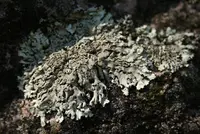
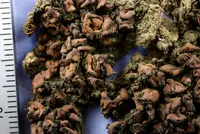
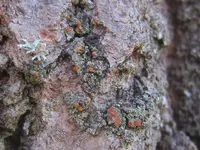
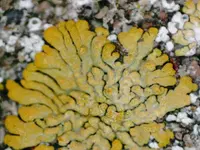
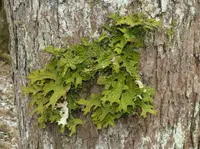
Shield lichen (Parmelia saxatilis) is a foliose lichen, a partnership between a fungus and an alga living together as one organism. It forms flat, overlapping gray-green lobes that create shield-like patches on rocks, old roofs, tree bark, and exposed walls. This lichen is common in cool, temperate regions, especially in clean-air areas across Europe and parts of North America. It is slow-growing and sensitive to heavy air pollution, which makes it harder to keep in urban interiors. Those wanting to learn how to care for shield lichen should know it prefers bright, indirect light, clean air, and a consistently cool, slightly moist surface rather than regular pot-style cultivation.

Care Difficulty
Hard Care

Light Preference
Partial Shade

Water Requirements
Low Water

Temperature Preference
Cold Hardy

Hardiness Zone
3–8

Soil Texture
Rocky, Sandy

Soil pH
Acidic (5.5–6.5)

Soil Drainage
Well-drained

Fertilization
Minimal (feed rarely)
Scan your plant to receive care tips personalized for your specific plant
Available on iOS and Android
Parmelia saxatilis thrives in cool, bright outdoor conditions with limited direct sun.
This rock-dwelling lichen absorbs moisture from rain, fog, and surface wetting rather than deep soil water.
This species is naturally adapted to cool, temperate climates with wide seasonal variation.
This lichen prefers consistently moist air and surface conditions, not typical indoor humidity levels.
Parmelia saxatilis usually anchors to rock or bark, but a mineral-based substrate can be prepared when mounting or culturing it.
This species can be grown in shallow containers mainly as a mounted or rock-garden subject rather than a conventional potted plant.
Parmelia saxatilis is a lichen and does not use soil nutrients in the same way as vascular plants, so fertilizing is not recommended.
Parmelia saxatilis needs almost no pruning, but limited tidying can help manage its spread on man-made surfaces.
This lichen is usually left in place on natural substrates, but small transplants are possible for study or display.
Parmelia saxatilis propagation is slow and mainly done for research or conservation rather than routine gardening.
This shield lichen is naturally cold hardy and usually needs no special winter care in outdoor settings.

Plant Health Check
Not sure what's wrong with your plant? Check your plant's health inside the app.
This shield lichen is sensitive to air quality and often disappears from areas with high nitrogen pollution from traffic or agriculture, so its presence on rocks and old walls is used as a bioindicator of relatively clean air.
The species typically colonizes acidic substrates such as siliceous rock, peat, and older concrete, forming pale grey foliose thalli that can dominate exposed rock surfaces in cool, wet climates.
Parmelia saxatilis forms a stable lichen thallus through a symbiosis between a fungus and green algae, with the fungal partner building the layered structure and the algal cells carrying out photosynthesis to supply carbohydrates.

In some northern and western European regions, especially in the British Isles and Scandinavia, the widespread, pale-grey patches of this species on boulders and old stone structures are so characteristic of the landscape that it has been used in long-term ecological studies to track changes in climate and land use over several decades.
Growth is very slow. In good field conditions, it may extend only a few millimeters per year. Establishment on new rock or bark can take many years, so visible colony expansion often appears extremely gradual to beginners.
Keep your plants happy and healthy with plant identification, disease detection, and easy care guidance.