Simulate rock crevices
Grow the lichen on rough, porous stone or unglazed clay pieces with shallow fissures, which hold thin films of moisture and closely mimic its natural saxicolous (rock-dwelling) habitat.

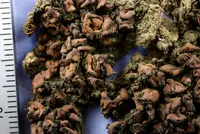
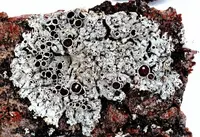
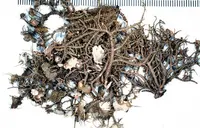
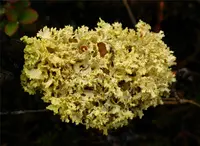
Crinkled pulp lichen, Blennothallia crispa, is a foliose lichen rather than a typical leafy plant. It forms low, crumpled, rosette-like mats with crisped, gray‑green to brown lobes.
This species usually grows on calcareous rocks or thin, lime-rich soils, often in open, well-lit sites across parts of Europe and other temperate regions. It is slow growing and sensitive to air pollution, which makes it less suited to heavily urban or industrial areas.
Those who want to care for Crinkled Pulp Lichen should provide stable, cool to mild conditions with good light, consistent moisture from misting or humidity, and a mineral, well-drained substrate.

Care Difficulty
Moderate Care

Light Preference
Partial Shade

Water Requirements
Regular Water

Temperature Preference
Cool Climate

Hardiness Zone
Unknown

Soil Texture
Rocky, Loamy, Sandy

Soil pH
Slightly acidic (6.5–7.0), Neutral (7.0)

Soil Drainage
Moist but well-drained

Fertilization
Minimal (feed rarely)
Scan your plant to receive care tips personalized for your specific plant
Available on iOS and Android
This ground-dwelling lichen thrives in bright, cool, open habitats with filtered to partial sun.
This lichen absorbs water over its entire surface and is highly sensitive to prolonged saturation.
This species is adapted to cool to mild climates and tolerates a broad outdoor temperature range.
This lichen prefers consistently moist air and surface conditions rather than typical indoor room humidity.
Blennothallia crispa anchors to mineral substrates rather than growing in conventional potting soil.
This species is only moderately suitable for container growing when mounted on shallow trays or rocks rather than rooted in deep pots.
Blennothallia crispa is a lichen that normally grows on nutrient-poor rock and does not require any intentional fertilizing in cultivation.
Blennothallia crispa needs almost no pruning, since the thallus is naturally compact and slow-growing.
This crustose lichen is usually grown on rocks or hardscapes, so focus on repositioning its substrate rather than traditional repotting.
Propagation of Blennothallia crispa is specialist work and is rarely attempted by typical home growers.
This lichen is naturally cold hardy in temperate climates and generally needs no special winter care outdoors.

Plant Health Check
Not sure what's wrong with your plant? Check your plant's health inside the app.
This lichen forms a thin, jelly-like thallus that becomes crisp and crinkled when dry, then swells and softens rapidly after rain, a typical behavior of gelatinous lichens in the family Collemataceae.
Its photosynthetic partner is a cyanobacterium, which can fix atmospheric nitrogen into biologically usable forms, helping enrich nutrient-poor rock and soil surfaces where the lichen grows.
It typically colonizes lime-rich or calcareous substrates, such as limestone rocks and mortar, making it a useful indicator of underlying basic geology and relatively clean, humid air conditions.
This lichen spreads slowly by fragmenting and extending its lobes over the substrate. It usually forms small to medium patches and is not considered aggressive. Spread depends on stable moisture, clean air, and undisturbed surfaces.
Keep your plants happy and healthy with plant identification, disease detection, and easy care guidance.