strigose beard lichen Care (Usnea strigosa)

Also known as: Bushy beard lichen
strigose beard lichen

About strigose beard lichen

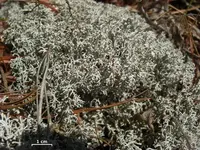
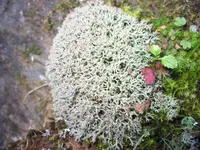
Strigose beard lichen (Usnea strigosa) is a fruticose lichen, not a true plant, formed by a partnership between a fungus and photosynthetic algae. It grows as pale gray-green, hairlike tufts that hang from twigs and branches, often resembling a small, wiry beard.

This species occurs mainly in forests with clean air, especially on hardwood trees in temperate regions of North America. It grows slowly and is sensitive to air pollution, drought, and heavy disturbance, which makes it challenging to cultivate. Those who wish to care for strigose beard lichen should provide cool, humid air, gentle light, and bark or wood surfaces rather than soil, while accepting that it may still remain difficult to maintain.

Main Plant Requirements

Care Difficulty

Hard Care

Light Preference

Partial Shade

Water Requirements

Low Water

Temperature Preference

Cool Climate

Hardiness Zone

Unknown

Soil Texture

Rocky, Organic-rich

Soil pH

Strongly acidic (4.5–5.5), Acidic (5.5–6.5)

Soil Drainage

Well-drained

Fertilization

Minimal (feed rarely)

Get Personalized Care Plan

Scan your plant to receive care tips personalized for your specific plant

Available on iOS and Android

How to Care for the strigose beard lichen

This lichen relies on bright, indirect light and seasonal shifts to maintain healthy growth.

  • Provide dappled or filtered light for 4–6 hours per day, such as on tree branches receiving morning sun and light afternoon shade.
  • Tolerates partial shade, but deep shade for most of the day slows growth and can cause strigose beard lichen to thin and lose its pale coloration.
  • Avoid intense, direct midday sun for many hours, which can over-dry and bleach the thalli, especially during hot, dry summer periods.

This epiphytic lichen absorbs moisture from rain, fog, and humid air rather than from soil.

  • In natural conditions, rely on rainfall and high ambient humidity; periods of dryness lasting several days are tolerated if followed by thorough rewetting.
  • If handling or monitoring Usnea strigosa in a managed setting, mist lightly when it becomes crispy-dry and the air humidity drops below roughly 40–50%.
  • Persistent wetness without regular drying, such as constant dripping from irrigation, encourages decay and algal overgrowth, while very long droughts lead to brittle, fragmenting branches.

This species is adapted to cool to mild climates and tolerates a wide temperature span.

  • Optimal growth occurs around 45–70°F (7–21°C), especially in cool, moist, and well-ventilated forest or woodland environments.
  • It survives winter lows near 10–20°F (-12–-6°C) if air is clean and tissues dry between freezes, though very harsh, prolonged cold can reduce vitality.
  • High temperatures above 85°F (29°C), combined with low humidity and strong sun, cause desiccation stress, so cooler, shaded, and humid microclimates are important in summer.

This lichen needs consistently moist air rather than soil moisture to stay healthy.

  • Aim for 70–95% humidity by placing it in misty, foggy, or coastal-like outdoor microclimates.
  • It tolerates brief drying but prolonged air below 50% humidity leads to brittleness and bleaching.
  • Low humidity stress shows as shriveling, stiffness, and loss of pale green color; increase humidity with frequent fine misting or positioning near slow‑evaporating water trays.

Usnea strigosa does not root in soil but anchors loosely to bark or other rough, inert surfaces.

  • If a substrate is used, choose a coarse, bark-based medium with 0.5–1 cm pieces that mimic tree bark texture.
  • Maintain very rapid drainage using a nearly soil-free mix such as 70% pine bark plus 30% coarse perlite or lava rock.
  • Keep pH roughly in the slightly acidic range, about 5.0–6.5, by avoiding lime or alkaline gravel additives.
  • Avoid fine, water-holding materials like peat-heavy mixes, compost-rich blends, or regular potting soil, which trap moisture and suffocate the lichen.

This species is not naturally suited to standard container growing, but it can be mounted on supports placed in pots for display.

  • Use a heavy, wide container filled with gravel or stones to stabilize any vertical branch or mount that carries the lichen.
  • Keep the lichen above the pot rim so water drains off freely and does not collect around the attachment point.
  • Choose a pot material like unglazed clay only for weight and stability, not as a moisture source, and avoid filling it with moisture-retentive media.

Usnea strigosa gains nutrients mainly from rainwater and air, so additional fertilizer is generally unnecessary and can be harmful.

Pruning strigose beard lichen is usually limited to gentle thinning or removal of problem areas rather than shaping.

  • Carry out light trimming at any time, ideally in dry weather to reduce damage risk.
  • Remove only dead, heavily damaged, or contaminated tufts, leaving firmly attached healthy growth.
  • Use clean, sharp scissors and avoid tearing the lichen from its tree or host surface.
  • Minimal intervention maintains its natural form and supports the surrounding tree and microhabitat.

This lichen is not a true potted plant, so focus on careful transplanting of small fragments rather than traditional repotting.

  • Transplant only when necessary, such as moving windfallen pieces to a new host branch or mounting surface.
  • Best timing is cool, moist seasons (early spring or fall) to limit desiccation stress.
  • Gently tie or place fragments on rough bark or an inert mount without burying or compressing them.
  • Minimize handling, keep roots of the host tree undisturbed, and avoid frequent relocations.

Propagation of Usnea strigosa is slow and mostly done by fragmenting existing thalli rather than by spores in cultivation.

  • Use small, healthy branch pieces that have a firm, elastic feel and no discoloration.
  • Attach fragments loosely to rough bark, cork, or untreated wood using soft thread or biodegradable ties.
  • Choose a shaded, humid, well-ventilated site that mimics its natural forest conditions.
  • Limit disturbance; allow many months to years for noticeable reattachment and growth.

This lichen is naturally cold hardy and usually needs no special winter care in outdoor settings.

  • Outdoor colonies tolerate frost and snow on established host trees without extra insulation.
  • Avoid using de-icing salts or heavily polluted meltwater near trees that carry the lichen.
  • Indoor displays should stay in a cool, bright, humid area away from heating vents in winter.

Care Tips

Branch mounting

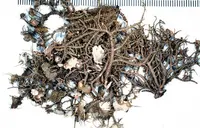
Secure the lichen loosely onto untreated, weathered hardwood branches using natural fiber thread or soft wire, allowing firm contact but leaving gaps for air flow so it can gradually attach on its own.

Air circulation checks

Hang or place the lichen where breezes can pass through it freely, and rotate or relocate clumps that sit in still air to prevent moisture from lingering and causing decay.

Clean rain exposure

Periodically move the lichen to an outdoor spot where it receives light, clean rainfall, which helps wash off dust and pollutants that can block gas exchange and slow growth.

Pollution avoidance

Keep the lichen away from busy roads, chimneys, treated wood, and pesticide use, since air pollutants and chemicals can damage its delicate tissues and halt growth.

Gentle handling

Handle thalli by the base and avoid squeezing or stretching the strands, since mechanical damage heals poorly and can significantly reduce success when growing strigose beard lichen.

Common Pests and Diseases

Sulfur dioxide damage

Symptoms include bleached, pale gray thalli with dead, brittle tips, especially on exposed branches in polluted areas. This damage reflects sensitivity of the lichen’s algal partner to acidic, sulfur-rich air.

Solution

Reduce exposure by sourcing material only from clean-air locations and avoiding collection or display near busy roads or industrial zones. For cultivated or educational displays, ensure good outdoor air quality and avoid burning fuels or smoking nearby, since recovery depends on long-term improvement in air conditions rather than direct treatment.

Nitrogen pollution stress

This disease-like stress shows as abnormally fast, soft, greenish growth that later becomes patchy, with dying branches and increased colonization by algae or other lichens. This response is linked to elevated nitrogen from fertilizers, animal waste, or vehicle emissions.

Solution

Limit nitrogen inputs by avoiding fertilizer drift, manure storage, or compost piles close to where you grow Usnea strigosa. Relocate affected material to a low-nitrogen, well-ventilated site; with time, stable, low-nutrient air conditions help restore more balanced growth if the thallus is not already fully degraded.

Soot and dust fouling

This problem appears as dark, dirty deposits on the lichen surface that reduce photosynthesis and can trap moisture and pollutants. This condition is common in urban or roadside habitats with heavy particulate air pollution.

Solution

If used for study or display, gently rinse thalli with clean, lukewarm water and allow them to dry in moving air to remove loose dust, taking care not to rub or twist the branches. Long term, place material in cleaner air away from fireplaces, road dust, and construction sites, as ongoing deposition cannot be corrected by washing alone.

Mite grazing

This pest causes fine surface scarring and tiny bite marks on branches, sometimes leading to a roughened texture and local discoloration. These insects or arachnids often increase on stored or very dry material kept indoors.

Solution

For strigose beard lichen indoor care or short-term storage, reduce mite numbers by briefly placing the dry thalli in a sealed container and cooling to 32–40°F for 24–48 hours, which many mites do not tolerate. Afterward, store in clean, breathable paper envelopes or mesh containers in a cool, dry, and well-ventilated place to prevent reinfestation.

Fungal overgrowth

This disease presents as dark spots, patches, or fuzzy coatings overtaking parts of the thallus, gradually killing branches and altering color and texture. This typically develops under prolonged high humidity, poor air movement, or when thalli remain wet for many hours each day.

Solution

Improve air circulation and reduce prolonged wetting by spacing material so branches can dry quickly after rain or misting. Remove and discard heavily overgrown sections and relocate remaining thalli to a breezier, brighter, but not excessively hot site so surfaces dry between moisture events, which discourages aggressive secondary fungi.

Interesting Facts

Branching beard structure

This species forms long, yellow-green, beard-like thalli with distinctly tufted branches that often end in many fine, hairlike tips, giving it a shaggy outline compared with other Usnea species.

Flexible central cord

When gently stretched, its branches reveal a thin, elastic inner cord called an axis, a diagnostic feature that helps distinguish this lichen from superficially similar filamentous lichens and mosses.

Moist hardwood specialist

It most often grows on the bark of hardwood trees such as oaks and maples in humid, well-forested areas of eastern North America, reflecting its preference for clean, moist air and stable forest canopies.

Botan icon

Did you know?

Usnea strigosa plays a role as a bioindicator of air quality, since it is very sensitive to sulfur dioxide and other airborne pollutants and usually disappears from areas with sustained poor air conditions.

FAQs about strigose beard lichen

Growth is very slow. In good conditions, fruticose strands usually extend only a few millimeters per year. Growth rate depends heavily on clean air, stable humidity, and suitable host bark rather than on typical gardening inputs or fertilization.

Grow Healthy Plants with Botan Care

Keep your plants happy and healthy with plant identification, disease detection, and easy care guidance.

Botan plant care app — identify plants on mobile

Explore More Plants