Avoid nutrient hotspots
When adding slow-release fertilizer pellets to the host substrate, keep them a few cm away from lichen thalli to prevent local salt buildup that can burn tissues and disrupt the delicate symbiosis.

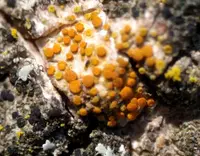
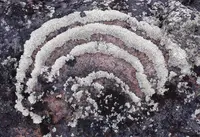
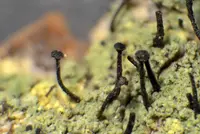
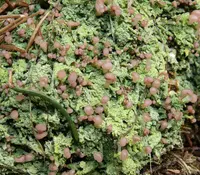
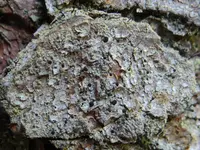
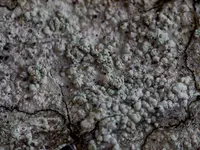
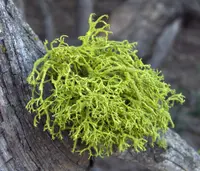
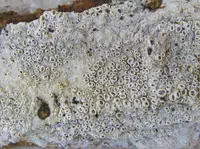
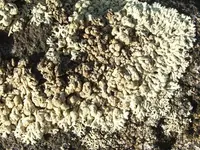
Athallia cerinella is a crustose lichen, not a typical leafy plant. It forms thin, yellow to orange patches tightly attached to bark, rocks, or man-made surfaces.
This species occurs mainly in temperate regions, especially in Europe, where it prefers sunny, open habitats with relatively clean air. Its slow growth and need for stable, undisturbed substrates make it better suited for observation than for cultivation.
Because it relies on a partnership between a fungus and photosynthetic algae, attempts to care for Athallia cerinella in conventional pots or indoor settings are rarely successful.

Care Difficulty
Moderate Care

Light Preference
Partial Shade

Water Requirements
Moderate Water

Temperature Preference
Warm Climate

Hardiness Zone
Unknown

Soil Texture
Loamy

Soil pH
Slightly acidic (6.5–7.0)

Soil Drainage
Well-drained

Fertilization
Minimal (feed rarely)
Scan your plant to receive care tips personalized for your specific plant
Available on iOS and Android
This crustose lichen prefers open, sun-exposed habitats but handles some seasonal variation in light.
This saxicolous lichen does not need active watering once established in outdoor conditions.
This species tolerates a broad outdoor temperature range when attached to stable rock or bark surfaces.
This crustose lichen tolerates a wide humidity range but benefits from moderate ambient moisture.
Athallia cerinella anchors to firm, mineral-rich substrates rather than typical potting soil.
This species is only loosely suitable for container culture on rock or mineral slabs rather than as a conventional potted plant.
This lichen typically gains nutrients from rainwater and its substrate, so Athallia cerinella needs no deliberate fertilization in cultivation.
Pruning is generally unnecessary because this lichen forms thin crusts that maintain their shape naturally.
Transplanting is rarely attempted because this crustose lichen adheres tightly to bark, rock, or other natural substrates.
Propagation of Athallia cerinella is specialized and not usually practical for home growers, so routine methods are not recommended.
This hardy lichen tolerates normal outdoor winter conditions in its range and needs no special winter care from the grower.

Plant Health Check
Not sure what's wrong with your plant? Check your plant's health inside the app.
This saxicolous lichen often colonizes man-made calcareous substrates such as mortar, concrete, and limestone-rich walls, giving many old buildings and roadside structures a bright yellow to orange crust.
It is considered nitrophilous, meaning it benefits from elevated nitrogen in the environment, so it frequently becomes more abundant in areas affected by traffic emissions, agriculture, or urban pollution.
Under magnification, its thallus shows distinct tiny lobes and color variation from yellow to deep orange, and its apothecia (disc-like fruiting bodies) often appear slightly darker, creating a fine mosaic pattern on the substrate.

Molecular phylogenetic studies have helped separate Athallia cerinella from visually similar yellow crustose lichens in the Teloschistaceae, revealing that what was once treated more broadly under Caloplaca actually includes several genetically distinct lineages, including this species.
This crustose lichen spreads slowly by extending its thallus and producing tiny spores. It can gradually cover bark, rocks, or man‑made surfaces but is not considered aggressively spreading or difficult to manage in most situations.
Keep your plants happy and healthy with plant identification, disease detection, and easy care guidance.