arctoparmelia lichen Care (Arctoparmelia incurva)

Also known as: Finger Ring Lichen
arctoparmelia lichen

About arctoparmelia lichen

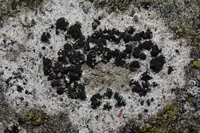
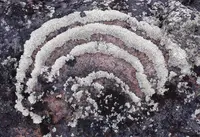
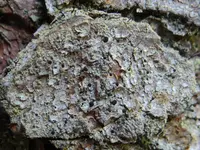
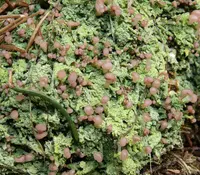
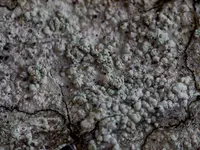
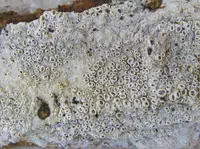
Arctoparmelia incurva is a foliose lichen, not a true plant, formed by a partnership between a fungus and photosynthetic algae. It grows as flat, leafy rosettes tightly attached to rock surfaces.

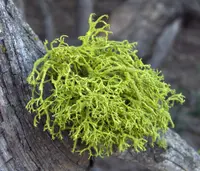
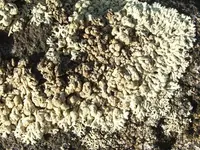
This species is typically pale gray to yellow-green, sometimes with a slightly powdery or cracked surface. It is slow-growing and often found in cold, windswept habitats, including arctic and alpine regions.

Because it is adapted to harsh, nutrient-poor environments, it is difficult to cultivate and not suited to typical home conditions. Information on how to care for arctoparmelia lichen in cultivation is limited, and it is usually appreciated in nature rather than grown indoors or in gardens.

Main Plant Requirements

Care Difficulty

Moderate Care

Light Preference

Full Sun

Water Requirements

Low Water

Temperature Preference

Cold Hardy

Hardiness Zone

1–6

Soil Texture

Sandy, Rocky

Soil pH

Strongly acidic (4.5–5.5), Acidic (5.5–6.5)

Soil Drainage

Well-drained

Fertilization

Minimal (feed rarely)

Get Personalized Care Plan

Scan your plant to receive care tips personalized for your specific plant

Available on iOS and Android

How to Care for the arctoparmelia lichen

This crustose lichen prefers bright, open conditions that mimic exposed alpine or subarctic rock surfaces.

  • Provide 4–8 hours of direct sun in cool climates; in warmer lowland sites, aim for morning sun and light afternoon shade to prevent overheating of the substrate.
  • Arctoparmelia incurva tolerates partial shade, but prolonged shade reduces thallus density and color intensity, indicating insufficient light exposure.
  • On exposed rock, seasonal sun angle changes can increase intensity; monitor for bleaching or crisp, brittle patches in midsummer and consider slight shading if this occurs.

This lichen is adapted to periodic drying and should not sit in persistently damp conditions.

  • Allow the substrate or rock surface to dry completely between wetting; brief wetting from rain, mist, or a light rinse followed by fast drying suits Arctoparmelia incurva best.
  • Ensure excellent drainage; avoid water-collecting pockets or compact soil, which encourage rot, algae growth, and a slimy surface instead of a firm, dry thallus.
  • Signs of over-moisture include dark, mushy, or disintegrating lobes, while chronic underwatering in very dry climates appears as long-term brittleness with little recovery after rain.

This species is naturally cold-tolerant and adapted to harsh, open climates with wide temperature swings.

  • Optimal active growth occurs in cool conditions around 40–60°F (4–16°C), especially when surfaces are moist from rain, fog, or melting snow.
  • It tolerates hard freezes down to at least 5°F (-15°C) when dry; freezing is more damaging if the thallus stays wet and then refreezes repeatedly.
  • Heat above 80°F (27°C) is tolerated only with good air movement and intermittent moisture; prolonged hot, stagnant conditions increase stress and can slow recovery after drying.

This lichen prefers cool, consistently moist air but withstands moderate dryness if not prolonged.

  • Target 50–80% humidity, avoiding hot, stagnant air that accelerates drying and desiccation.
  • In very dry indoor air, fronds turn brittle, curl at the edges, and show faded or patchy coloration.
  • Increase humidity by placing it in a sheltered, naturally damp outdoor microclimate, such as near shaded rocks or mossy surfaces, when caring for arctoparmelia lichen.

This species naturally anchors to rocky, nutrient-poor substrates rather than conventional potting soil.

  • Use a very mineral, gritty base such as crushed granite, coarse sand, and small lava rock to mimic exposed rock surfaces.
  • Ensure extremely fast drainage; water must pass through within seconds, leaving the surface only slightly damp, not holding free moisture.
  • Keep pH near neutral to slightly acidic (about 5.5–7.0) by avoiding liming agents and heavy alkaline gravels.
  • Avoid peat-heavy, loamy, or compost-rich mixes, which trap moisture and organic matter that encourage rot, algae, and competing mosses around Arctoparmelia incurva.

This lichen can be maintained in containers only when the setup closely imitates thin, rocky, exposed habitats.

  • Fill shallow trays with stable rocks or slabs, using minimal gritty fill so the lichen rests on the surface rather than being buried.
  • Select low, wide, heavy containers to prevent tipping when the rock base is uneven or wind-exposed outdoors.
  • Drill or confirm multiple side and bottom drainage points so rain or irrigation cannot pool around the rock surface.

This lichen normally grows on nutrient-poor rock and Arctoparmelia incurva does not benefit from added fertilizer in cultivation.

Pruning is generally unnecessary for Arctoparmelia incurva, which maintains its own compact growth on rock surfaces.

Transplanting is rarely needed, as this lichen is adapted to stable rock habitats rather than containers.

  • If moved, do so only when the thallus is firmly attached and environmental conditions are similar at the new site.
  • Lift the lichen with a thin layer of its original rock or substrate to avoid tearing the holdfasts.
  • Transplant in cool, moist weather to limit desiccation stress and allow gradual reattachment.
  • Keep the new site well ventilated, bright, and not waterlogged so the lichen can acclimate.

Propagation of Arctoparmelia incurva is specialized and usually left to natural processes rather than intentional home methods.

This cold-adapted lichen is fully hardy in freezing conditions and generally needs no special winter care.

Care Tips

Rock Surface Choice

Mount the lichen on rough, unpolished, silica-rich rocks (like granite) rather than smooth or limestone stones, which better mimics its natural alpine substrate and improves long-term attachment.

Secure Initial Anchoring

To help new fragments establish, press them gently onto the rock and secure with a loose ring of inert mesh or fishing line for 2–3 months, then remove once they have visibly gripped the surface.

Airflow Management

Place cultures where they receive steady, gentle air movement rather than stagnant air, as this reduces mold growth and prevents water from sitting on the thallus for long periods.

Controlled Wet–Dry Cycling

If growing arctoparmelia lichen in a container, mist or briefly soak the rock and then allow it to dry fully before the next hydration, simulating the irregular moisture pulses of its native habitat.

Minimal Handling Practice

Handle the lichen only by the rock or mounting base, avoiding direct touching or bending of the thallus, since repeated handling damages the fine attachment points and slows growth.

Common Pests and Diseases

Air pollution sensitivity

Symptoms include bleaching, browning, or loss of the upper lichen surface on thalli exposed to polluted air, especially sulfur dioxide and nitrogen oxides. This condition reflects damage to the photosynthetic partner (alga) and the fungal tissues, leading to thinning or death of patches.

Solution

Reduce or avoid exposure to vehicle exhaust, industrial emissions, and urban smoke by relocating collected material to areas with cleaner air or using filtered indoor air if attempting arctoparmelia lichen indoor care. Remove heavily damaged thalli and maintain good air circulation without direct pollution sources such as chimneys or busy roads nearby.

Prolonged desiccation damage

This condition appears as brittle, cracked, and pale thalli after extended dry periods with intense sun and wind. Over time, tissues may fail to rehydrate fully and sections of the lichen die off.

Solution

If keeping collected material, provide intermittent gentle misting with non-chlorinated water during extended dry spells, allowing thalli to dry fully between mistings. Avoid storing or displaying specimens in hot, stagnant, very dry air and protect them from intense midday sun and constant wind exposure.

Algal layer photobleaching

This disorder shows as unusually light, yellowed, or bleached upper surfaces after periods of strong solar radiation, often on exposed rock or artificial substrates. Damage occurs when the algal cells that provide photosynthesis are stressed by excess light and heat, especially when also dry.

Solution

Offer partial shade during the brightest part of the day if the lichen is being maintained on a display substrate, or reposition it away from highly reflective surfaces that intensify light. For collected pieces, alternate moistening and gentle drying cycles while avoiding high heat, which allows algal cells to recover where damage is not yet extensive.

Lichenicolous fungi

These fungi infect the lichen thallus and can cause dark spots, discoloration, deformation, or localized death of tissue. Infected areas may spread gradually, reducing the vigor and coverage of the lichen on its substrate.

Solution

Remove and discard heavily infected parts of the thallus and any small substrate fragments carrying obvious fungal structures to limit spread. Maintain cooler, well-ventilated, naturally lit conditions and avoid excessive, constant moisture that favors fungal growth, allowing the remaining healthy thalli to stabilize.

Grazing by invertebrates

These insects and small arthropods, such as snails, slugs, mites, or springtails, may feed on the lichen surface, leaving scraped, ragged, or missing patches of tissue. Damage is usually irregular and can be more noticeable in humid microhabitats or enclosed displays.

Solution

Manually remove visible grazers and reduce hiding places by gently cleaning surrounding debris and crevices on the substrate. In enclosed or display settings, improve airflow, avoid over-misting, and if needed use physical barriers or fine mesh to exclude larger grazers such as snails and slugs without applying broad-spectrum chemicals that could harm the lichen.

Interesting Facts

High-arctic specialist

This lichen is strongly associated with cold, high-arctic and alpine habitats, often growing on exposed, wind-swept siliceous rocks where few other lichens can persist.

Distinctive incurved lobes

Its pale yellow-green, closely attached thallus has narrow lobes that curve upward and inward toward the center, a key trait used by lichenologists to separate it from related yellow parmelioid lichens.

Chemical UV protection

The yellowish color comes from usnic acid and related secondary metabolites, which act as natural sunscreens and help protect the fungal and algal partners from intense UV radiation at high latitudes and elevations.

FAQs about arctoparmelia lichen

Growth is very slow. Many crusts expand only 1–3 mm per year, even under good conditions. Expect visible change over several years, not months. Stable, undisturbed surfaces and clean air are essential for growing arctoparmelia lichen successfully.

Grow Healthy Plants with Botan Care

Keep your plants happy and healthy with plant identification, disease detection, and easy care guidance.

Botan plant care app — identify plants on mobile

Explore More Plants