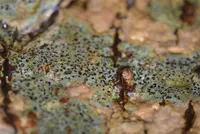
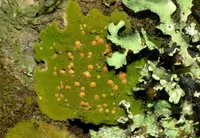
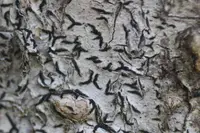
wolf lichen Care (Letharia vulpina)

wolf lichen

About wolf lichen

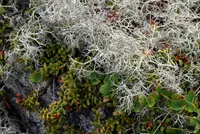
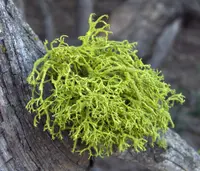
Wolf lichen, Letharia vulpina, is not a true plant but a lichen, a partnership between a fungus and an alga or cyanobacterium. It forms bright yellow‑green, tufted mats on tree bark, dead wood, and rocky surfaces.

This species is common in mountainous and coniferous forests in parts of North America and Europe, especially in clean, cool, well‑lit air. Its slow growth and reliance on very specific light, moisture, and air quality conditions make it difficult to cultivate.

Most growers observe it in nature or use already-collected material, since it rarely establishes in typical home or garden conditions, and it is challenging to care for wolf lichen in captivity.

Main Plant Requirements

Care Difficulty

Hard Care

Light Preference

Full Sun

Water Requirements

Low Water

Temperature Preference

Cold Hardy

Hardiness Zone

4–9

Soil Texture

Rocky, Sandy

Soil pH

Strongly acidic (4.5–5.5)

Soil Drainage

Well-drained

Fertilization

Minimal (feed rarely)

Get Personalized Care Plan

Scan your plant to receive care tips personalized for your specific plant

Available on iOS and Android

How to Care for the wolf lichen

This lichen prefers cool, bright sites that resemble open conifer woodland conditions.

  • Provide 3–6 hours of soft, indirect light or dappled sun; light morning sun with afternoon shade is ideal in most climates.
  • Allow partial shade under open tree canopies; strong, direct midday sun, especially in summer, can desiccate and bleach wolf lichen patches.
  • On exposed sites, increase shade during hot, clear months, while in darker forests favor branches or rocks that receive filtered light for part of the day.

Letharia vulpina relies mainly on natural rainfall and humidity and is highly sensitive to standing moisture.

  • In the landscape, avoid irrigating directly; allow the substrate surface to dry completely between natural wetting events, mimicking its native dry–wet cycles.
  • Ensure excellent drainage on bark, rock, or very coarse, lean substrate so water runs off within minutes and does not pool around the thallus.
  • Signs of excess moisture include soft, sloughing tissue or algae growth; crisp, brittle patches after long dry spells usually recover when humidity and rain return.

This species is adapted to cool to cold climates but tolerates moderate seasonal variation.

  • Best growth usually occurs around 40–70°F (4–21°C), typical of higher-elevation or coastal conifer habitats with cool air and good airflow.
  • It remains viable down to at least 5°F (-15°C) when dry, but repeated freeze–thaw with surface ice can damage tissue on exposed, wet sites.
  • Prolonged heat above 80–85°F (27–29°C), especially combined with strong sun and low humidity, can cause bleaching and decline, so prioritize cooler, shaded exposures in hot regions.

This lichen prefers cool, moist air but survives a wide humidity range.

  • Target 50–80% humidity, avoiding prolonged levels below 30% that cause extreme drying and brittleness.
  • Dry indoor air leads to faded color, crumbly texture, and very slow rehydration after misting.
  • Increase humidity by placing it in a shaded, sheltered outdoor spot or near a tray of evaporating water rather than frequent heavy misting.

Letharia vulpina naturally grows on bark and rocks, so any artificial substrate must be very free-draining and low in nutrients.

  • Use a very coarse, open mix such as 60–70% sharp sand or fine grit with 30–40% crushed bark or lava rock pieces.
  • Avoid dense, organic-heavy potting mixes, compost-rich blends, or clay soils that retain water and encourage rot.
  • Keep pH roughly near neutral to slightly acidic (pH 5.5–7.0) by avoiding lime and high-alkali amendments.
  • Improve aeration by keeping the substrate shallow, never compacting it, and allowing strong air movement around all thalli surfaces.

This species is only marginally suitable for container growing and behaves more like a mounted specimen than a rooted plant.

  • Use a wide, shallow container or tray that lets the thalli spread horizontally without stacking in thick, airless layers.
  • Secure pieces gently on rough stone, bark, or mesh inside the container so wind or handling does not dislodge them.
  • Choose a rigid, heavy container material that will not tip over easily when placed in breezy, exposed outdoor positions.

Letharia vulpina is a nutrient-efficient lichen that normally requires no fertilization when attached to natural bark or rock.

Letharia vulpina rarely needs active pruning, but minor grooming maintains appearance and lichen health in cultivation.

  • Trim away clearly dead, discolored, or crumbling lobes using clean, fine scissors to limit mechanical damage.
  • Remove pieces that have detached from their substrate to reduce rot and maintain an even, stable mat.
  • Avoid heavy cutting, which can reduce photosynthetic surface and slow regrowth on the host branch or substrate.

In cultivation, wolf lichen is usually managed by transplanting small fragments rather than traditional repotting.

  • Transplant when growth becomes loose, falls from the host branch, or when you want to establish it on a more suitable bark or rock.
  • Carry out moves in cool, humid weather or indoors under moderate light to limit desiccation stress.
  • Gently tie or place fragments onto pesticide-free bark or rock, avoiding adhesives or deep substrates that retain moisture.
  • Disturb the lichen infrequently and handle only when needed to refresh display pieces or adjust mounting surfaces.

Letharia vulpina spreads mainly by fragmenting its thallus, with new growth forming from attached pieces under suitable conditions.

  • Use small, healthy segments and place them on rough, pesticide-free bark or rock that offers good anchoring points.
  • Choose cool, moist seasons or a shaded, humid indoor setup to limit drying while fragments establish.
  • Maintain bright, indirect light and free air movement, avoiding liquid watering that can keep surfaces wet for long periods.

This lichen is naturally cold hardy and typically needs no special winter care when kept in outdoor, temperate conditions.

Care Tips

Mount on inert surfaces

Attach wolf lichen fragments to inert, rough materials like untreated bark, cork, or natural stone using a breathable net or loose thread, so the thallus can slowly self-anchor without being smothered by glue or compact wire.

Maximize air exchange

Place mounted pieces in an open, drafty spot such as near a screened window or under a low-speed fan, ensuring constant gentle air movement that keeps the lichen surface dry between misting events and discourages mold.

Simulate nutrient-poor habitat

Avoid any fertilizer and keep mounting materials free of nutrient-rich debris or dust, since excess nutrients favor algae and fungi that can overgrow and shade the lichen.

Control contamination growth

Inspect the thalli every few weeks and gently remove any moss, algae film, or opportunistic fungi with tweezers or a soft dry brush before they spread over the wolf lichen.

Seasonal moisture cycling

If conditions allow, give the lichen more frequent brief misting in cooler months and longer dry intervals in warmer months, mimicking the natural pattern of moist winters and dry summers that supports stable, long-term Letharia vulpina care.

Common Pests and Diseases

Air pollution damage

Symptoms include bleaching, dulling, or death of thallus tips after exposure to vehicle exhaust, industrial emissions, or wood smoke. This disease reflects the extreme sensitivity of wolf lichen to sulfur dioxide, nitrogen oxides, and other airborne pollutants.

Solution

Reduce or avoid collection or display of wild material in polluted urban or roadside areas, and provide the lichen with clean, well-ventilated air if kept for observation indoors. If damage appears, move the specimen to a site with cleaner air and avoid any exposure to cigarette smoke, aerosols, or chemical fumes, as recovery depends on long-term low-pollution conditions.

Desiccation stress

Symptoms include crispy, brittle thalli that stay dull and fail to rehydrate and plump up after misting or natural moisture. This condition results from prolonged drying without regular access to fog, dew, or rain.

Solution

Increase ambient humidity and moisture pulses by lightly misting with clean, chlorine-free water and allowing good air movement between mistings. Avoid constant wetness, but aim for regular wet-dry cycles that mimic natural conditions, and keep the lichen out of strong, drying air currents or direct indoor heating sources as part of general Letharia vulpina care.

UV and heat scorch

Symptoms include brown or black patches, loss of the bright yellow-green color, and brittle, dead tissue on exposed surfaces. This damage usually occurs when material collected from cool, high-elevation sites is placed in intense, low-elevation sun or under hot glass.

Solution

Provide bright but indirect light and avoid prolonged exposure to intense midday sun, especially behind glass or on dark, heat-absorbing surfaces. If scorch occurs, move the lichen to a cooler, shaded but bright spot and remove only fully dead, crumbling fragments, allowing surviving areas to adjust gradually to the new light level.

Mite grazing

This pest causes tiny pits, surface roughening, and localized discoloration on the lichen thallus, sometimes with fine debris or frass in crevices. These insects (microscopic mites and related arthropods) feed on lichen tissues, especially on stored or display specimens kept in still indoor air.

Solution

Gently brush or blow off loose debris, then place the lichen in a cooler, airy, low-dust location and avoid storing it in sealed, warm containers where mites thrive. For severe infestations on collected material, a brief period in a cold environment (around 32–40°F, not freezing solid) can reduce mite populations without the need for chemical treatments.

Interesting Facts

Naturally fluorescent pigment

The bright yellow‑green color of this lichen comes from vulpinic acid, a secondary metabolite that strongly absorbs UV light and can appear almost fluorescent on snow or pale bark.

Toxic to predators

Vulpinic acid is highly toxic to many vertebrates, especially mammals and birds, so the lichen is strongly avoided as food and has historically been known as a poisonous species.

Indicator of clean air

This species tends to occur in regions with relatively low air pollution and is often used by lichenologists as an indicator of cool, clean, well‑ventilated forest and mountain environments.

Botan icon

Did you know?

In some parts of Scandinavia, dried fragments of this lichen were historically mixed with bait to poison wolves and foxes, which is the origin of its common name and reflects early human awareness of its toxicity.

FAQs about wolf lichen

This species contains the toxic compound vulpinic acid. Ingestion can cause severe gastrointestinal distress and potentially be fatal to livestock, pets, and small children. It should never be eaten and is best kept out of reach of animals.

Grow Healthy Plants with Botan Care

Keep your plants happy and healthy with plant identification, disease detection, and easy care guidance.

Botan plant care app — identify plants on mobile

Explore More Plants