Arthothelium ruanum Care

Arthothelium ruanum

About Arthothelium ruanum

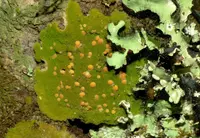
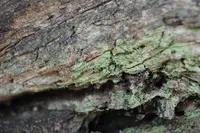
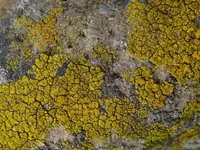
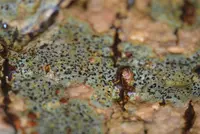
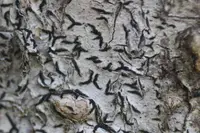
Arthothelium ruanum is a crustose lichen, not a typical leafy houseplant. It forms thin, patchy crusts tightly attached to bark or rock surfaces. Its fruiting bodies are usually small, dark discs scattered across the crust.

This species occurs in specialized habitats, often in regions with clean air and stable humidity. It grows slowly and reacts sensitively to environmental changes, which makes it difficult to cultivate intentionally.

Because it depends on a partnership between a fungus and photosynthetic partner (alga or cyanobacteria), attempts to care for Arthothelium ruanum in regular indoor conditions are rarely successful.

Main Plant Requirements

Care Difficulty

Moderate Care

Light Preference

Partial Shade

Water Requirements

Moderate Water

Temperature Preference

Warm Climate

Hardiness Zone

Unknown

Soil Texture

Loamy

Soil pH

Slightly acidic (6.5–7.0)

Soil Drainage

Well-drained

Fertilization

Minimal (feed rarely)

Get Personalized Care Plan

Scan your plant to receive care tips personalized for your specific plant

Available on iOS and Android

How to Care for the Arthothelium ruanum

This species prefers bright, indirect light with some protection from harsh midday sun.

  • Provide 3–5 hours of gentle morning sun or bright, filtered light under thin canopy cover; avoid direct afternoon sun that can scorch tissue.
  • Tolerates light shade, but growth becomes slower and color duller if light stays below roughly 4 hours of bright exposure per day.
  • In summer, increase distance from south- or west-facing exposure to reduce leaf burn; in winter, shift closer to windows or more open sites to compensate for weaker light.

This plant prefers steadily moist but not saturated conditions in well-drained substrate.

  • Water when the top 2–4 cm of soil feel dry, using enough water to moisten the root zone, then let excess drain away completely.
  • In cool seasons, extend the drying period slightly to reduce rot risk; in warm, active growth, shorten intervals but avoid leaving soil soggy for more than 24 hours.
  • Wilting with dry soil indicates underwatering, while yellowing, soft tissue, and a sour smell in the root zone suggest overwatering and poor drainage.

Stable, cool to mild temperatures support healthy development of Arthothelium ruanum.

  • Aim for 60–72°F (16–22°C) for consistent growth; short fluctuations outside this range are tolerated if other conditions are stable.
  • Protect from frost, as tissue damage can occur near 32°F (0°C); long exposure below 40°F (4°C) slows growth and can weaken the plant.
  • In hot weather above 82–86°F (28–30°C), increase shade and airflow to limit heat stress and desiccation, and avoid placing it near reflective surfaces.

This species prefers moderately humid air and reacts quickly to very dry conditions.

  • Keep relative humidity around 50–70% to reduce desiccation of the thallus surface.
  • It tolerates brief dips to 35–40% but prolonged dry air leads to dull, brittle tissue and edge curling.
  • Increase humidity with a nearby open tray of water and stones or by grouping moisture-loving plants, but avoid misting that keeps surfaces wet for hours.

This lichen-like species anchors on firm, well-aerated substrates rather than traditional potting soil.

  • Use a very open, mineral-based mix such as fine orchid bark, pumice, and a small amount of compost to mimic a rocky, organic crust.
  • Ensure extremely sharp drainage so the base never sits in stagnant moisture, which encourages rot and algae overgrowth.
  • Maintain slightly acidic to neutral conditions around pH 6.0–7.0, avoiding lime-heavy or strongly alkaline materials.
  • Keep the structure loose to maintain air spaces; avoid dense peat blocks, clay-heavy garden soil, or mixes that compact after repeated watering.

This species can be grown in shallow containers when drainage and airflow are carefully managed.

  • Choose a wide, shallow pot to spread the substrate thinly, which helps the surface dry between waterings and prevents waterlogging at the attachment zone.
  • Use unglazed clay or another porous material so moisture can evaporate through the pot walls, improving oxygen around the anchoring tissues.
  • Elevate the container slightly on feet or mesh so drainage holes stay clear and air can move under the pot, limiting persistent dampness at the base.

This species is usually found on nutrient-poor substrates and generally does not need supplemental feeding in cultivation.

Pruning needs for Arthothelium ruanum are minimal and mainly hygiene focused.

  • Inspect at the end of winter and after active growth, avoiding very wet periods to limit pathogen spread.
  • Remove any clearly dead, damaged, or peeling host bark that traps excessive moisture around the thallus.
  • Avoid cutting or scraping the lichen surface; instead, maintain the health and structure of the host plant.
  • Use clean, sharp hand pruners or a small pruning saw, disinfected before and after use.

Transplanting focuses on moving the colonized substrate rather than the Arthothelium ruanum thallus itself.

  • Consider transplanting only if the host branch or bark section is at risk of removal, decay, or construction damage.
  • Best timing is during cool, stable weather in spring or fall to reduce moisture stress and thermal shock.
  • Limit frequency; each move disrupts microclimate, so plan a single, well-chosen long-term location.
  • Cut a small piece of colonized bark, secure it to a new compatible surface, and keep humidity moderately high until stable.

Propagation of Arthothelium ruanum is specialized and usually handled by researchers rather than home growers.

This lichen is naturally adapted to outdoor temperature fluctuations and usually needs no special winter care.

  • In very exposed sites, a light, breathable windbreak can reduce desiccation without smothering the thallus.
  • Avoid heavy mulch directly on colonized bark; keep mulch at the soil level only for the host plant.
  • Do not move substrates indoors for winter, as the species depends on outdoor light, airflow, and moisture cycles.

Care Tips

Gentle air movement

Provide light, indirect air circulation from a small fan on a low setting to reduce fungal risk on the thallus surface without causing desiccation.

Clean support surface

If grown on bark, rock, or another mount, periodically brush off dust and algae with a soft, dry brush so the lichenized thallus can access light and air more efficiently.

Avoid handling tissue

Use tools such as tweezers or chopsticks rather than fingers when repositioning or inspecting the colony, since oils and pressure from skin can damage the delicate structure.

Gradual microclimate shifts

When relocating the plant between areas with different humidity or airflow, move it in stages over several days to reduce stress on the symbiotic partnership between fungus and algae.

Targeted pest checks

Inspect crevices and undersides of the substrate with a hand lens every 2–4 weeks for mites or scale insects, especially when caring for Arthothelium ruanum in enclosed displays, and remove pests immediately with a cotton swab dipped in alcohol.

Common Pests and Diseases

Lichenicolous chytrid infection

This disease occurs when parasitic chytrid fungi colonize the thallus, causing pale, discolored patches and loss of the typical lichen texture. Symptoms include localized thinning or breakdown of the lichen surface, often starting as small, water-soaked or translucent spots.

Solution

Remove and discard heavily affected portions of the lichen substrate to limit spread, then reduce prolonged surface wetness by improving air movement and avoiding overhead watering or misting. For valuable collections, a specialist may apply a very targeted fungicide treatment to adjacent, not yet colonized areas, but this should only be done under expert guidance due to the sensitivity of lichens.

Lichenicolous ascomycete galls

This disease is caused by specialized ascomycete fungi that form small, often dark or warty gall-like structures on the lichen surface. Symptoms include irregular swellings, distortion of the thallus, and scattered dark fruiting bodies embedded in the tissue.

Solution

Carefully excise and discard visibly galled sections using sterile tools, taking a small margin of apparently healthy tissue around the lesions. Maintain steadier humidity and moderate light, and avoid nutrient enrichment such as fertilizer drift, since environmental stability favors the lichen and slows the development of these parasites.

Mite grazing

These insects cause tiny pits, roughened patches, and fine speckling where they scrape the lichen surface, sometimes leaving powdery debris. Symptoms include uneven thinning of the thallus and small irregular bare spots on the substrate.

Solution

Gently brush or rinse the colony with clean, room-temperature water to dislodge mites, repeating over several days if needed, and increase airflow while avoiding very dry, dusty conditions that favor mite buildup. In persistent cases, a very low-toxicity miticidal soap can be applied carefully to the surrounding substrate rather than directly onto the lichen, always testing on a small area first to check sensitivity.

Interesting Facts

Lichenicolous lifestyle

This species is lichenicolous, meaning it lives on and within other lichens rather than on bare rock or bark, making it highly specialized in its choice of substrate.

Association with Graphidaceae

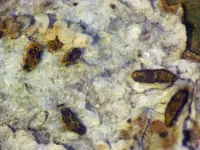
Arthothelium ruanum is known to grow on crustose lichens in the family Graphidaceae, forming small blackish structures embedded in the host thallus.

Microscopic fruiting bodies

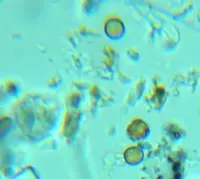
The reproductive structures of this species are minute perithecia that are usually only visible under magnification, so the lichen is often detected and identified mainly by microscopic examination.

FAQs about Arthothelium ruanum

Yellowing leaves usually indicate stress from inconsistent moisture, poor drainage, or nutrient imbalance. Check for soggy or very dry substrate, compacted medium, or recent environmental changes, and correct gradually rather than making sudden drastic adjustments.

Grow Healthy Plants with Botan Care

Keep your plants happy and healthy with plant identification, disease detection, and easy care guidance.
Botan plant care app — identify plants on mobile

Explore More Plants