needle lichen Care (Chaenotheca stemonea)

Also known as: Miner's whiskers
needle lichen

About needle lichen

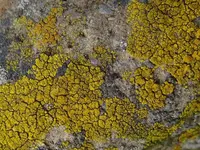
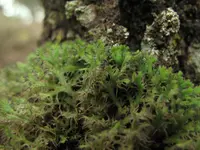
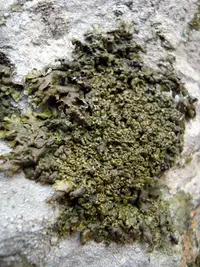
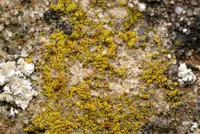
Needle lichen (Chaenotheca stemonea) is a tiny, stalked lichen rather than a true plant, formed by a partnership between a fungus and algae. It develops fine, matchstick-like fruiting stalks with dark, pinhead tips, often dusted with yellowish spores.

In nature it usually grows on old bark, decaying wood, or sometimes shaded rock in cool, humid forests across parts of Europe and North America. It is sensitive to air pollution and drying out, which makes it challenging to keep in typical home conditions.

People who care for needle lichen usually provide stable humidity, gentle indirect light, and consistently cool, clean air, often in terrarium-style setups.

Main Plant Requirements

Care Difficulty

Hard Care

Light Preference

Shade

Water Requirements

Low Water

Temperature Preference

Cool Climate

Hardiness Zone

Unknown

Soil Texture

Rocky, Loamy, Organic-rich

Soil pH

Strongly acidic (4.5–5.5), Acidic (5.5–6.5)

Soil Drainage

Well-drained

Fertilization

Minimal (feed rarely)

Get Personalized Care Plan

Scan your plant to receive care tips personalized for your specific plant

Available on iOS and Android

How to Care for the needle lichen

This species prefers low to moderate light typical of shaded bark and mossy substrates in cool forests.

  • Provide bright shade or dappled light, such as 1–3 hours of weak morning sun with the rest of the day in open shade or filtered light.
  • Protect needle lichen from direct midday and afternoon sun, which can desiccate the thallus and bleach its color within days.
  • In summer, increase shade or distance from exposed sites; in winter, slightly more indirect light is acceptable as long as the surface does not dry out completely.

Chaenotheca stemonea requires consistently moist but not waterlogged conditions on its substrate.

  • Allow the surface to dry only slightly between waterings, about the top 1–3 mm of bark or substrate, then moisten gently rather than soaking heavily.
  • Use very free-draining, mossy or bark-based material; standing water or a film of water for more than 1–2 hours encourages rot and algal overgrowth.
  • Reduce watering frequency in cooler months, watching for shriveling or brittleness as a sign of underwatering and dark, mushy patches as a sign of excess moisture.

This lichen is adapted to cool, temperate conditions and does not tolerate strong thermal extremes.

  • Aim for an overall range of 40–70°F (4–21°C) for stable growth, avoiding rapid swings of more than 15°F (8°C) within a few hours.
  • Chaenotheca stemonea survives brief drops near 20°F (-7°C) when naturally established, but repeated hard freezes combined with dry air can cause tissue death.
  • Prolonged heat above 80°F (27°C), especially with full sun, increases desiccation stress; provide extra shade and humidity buffering during hot spells.

Chaenotheca stemonea tolerates a broad humidity range but performs best in stable, moderately moist air.

  • Aim for 50–70% humidity, similar to a sheltered, damp woodland or consistently moist outdoor microhabitat.
  • Needle lichen copes briefly with drier air, but prolonged levels below 35–40% can slow growth and cause dull, brittle thalli.
  • Watch for fading color and crumbly texture as signs of humidity stress, and increase humidity by misting nearby surfaces or placing moist, not waterlogged, substrate around the colony.

Chaenotheca stemonea grows on stable, moist but not waterlogged substrates that mimic decaying wood or bark rather than typical potting soil.

  • Use a loose, fine-textured mix built from crumbled, well-rotted wood, shredded bark, and a small amount of leaf mold or peat to hold moisture.
  • Ensure rapid drainage so the substrate stays evenly damp yet never saturated; free water around the base causes decay and detachment.
  • Keep pH slightly acidic, roughly 5.0–6.0, by avoiding lime-rich materials and using soft, low-mineral water when possible.
  • Avoid compact, clay-heavy, or strongly fertilized mixes, which reduce aeration and promote algae or moss that can overgrow the lichen.

This species is not naturally suited to conventional container culture, but it can be maintained on mounted substrates placed in shallow trays.

  • Fix the lichen-bearing wood or bark securely in a low, wide tray so the substrate is stable and not disturbed during handling or watering.
  • Choose a tray material that does not heat up rapidly in sun, since temperature spikes at the surface can desiccate the thin thallus layer.
  • Maintain only a thin film or small reservoir of water beneath the mount, never in direct contact, to create local humidity without soaking the substrate.

Chaenotheca stemonea usually requires no deliberate fertilization when established on nutrient-poor bark or wood.

Pruning is generally unnecessary for Chaenotheca stemonea and can damage its delicate fruiting structures.

Transplanting this lichen is rarely successful and usually not recommended, as it is highly specialized to its substrate.

  • Avoid routine transplanting; instead, conserve the original host tree or wood whenever possible.
  • If relocation is essential, move the entire bark or wood piece rather than trying to detach the lichen.
  • Carry and mount the substrate so the orientation to light and moisture matches the original position.
  • Minimize handling, keep the substrate evenly cool and slightly moist, and avoid direct sun during and after the move.

Propagation of needle lichen is specialized and usually left to natural spore dispersal and habitat conservation rather than active gardening methods.

No special winter care is needed for Chaenotheca stemonea in its natural outdoor range, as it tolerates normal cold conditions on host trees.

Care Tips

Choose Stable Substrates

Mount the lichen only on long‑lasting, non-resinous materials such as aged hardwood, cork, or stable stone so the slow colony does not lose its support as bark peels or soft wood decays.

Limit Handling Contact

Place mounts where they will not be brushed, squeezed, or frequently moved, since the tiny stalks and spore heads break easily and repeated disturbance can gradually kill the thallus.

Control Dust Build‑Up

Install the lichen away from vents and high-traffic areas, and gently blow off dust with a hand air bulb rather than wiping, as dust smothering can block light and gas exchange over time.

Avoid Chemical Exposure

Keep colonies well away from scented candles, cleaning sprays, fresh paint, and wood treatments because lichens absorb airborne chemicals directly and even low, repeated exposure can be lethal.

Monitor Slow Change

Photograph the colony from the same angle every few months to track subtle shifts in color and density, which helps detect early decline or success when caring for needle lichen in low-impact indoor setups.

Common Pests and Diseases

Air pollution stress

Symptoms include bleaching, shrinking, or disappearance of the tiny fruiting pins after exposure to vehicle exhaust, industrial fumes, or smoke. This condition reflects the very high sensitivity of this lichen to sulfur dioxide and other airborne pollutants.

Solution

Reduce or avoid exposure to polluted air by locating collected substrates (such as bark pieces or old timber) in clean, well-ventilated outdoor conditions away from roads, chimneys, or cigarette smoke. If possible, improve overall air quality around the colony and avoid using aerosols, solvents, or smoke near it, since caring for needle lichen depends heavily on maintaining clean air.

Substrate desiccation

Symptoms include dry, brittle, and dull-looking stalks that do not recover appearance after rewetting, often following prolonged low humidity or direct sun on the supporting bark or wood. This stress can weaken or kill the lichen thallus and prevent new fruiting structures from forming.

Solution

Maintain a cool, shaded exposure with only gentle, indirect light and stable moisture around the host bark or wood, avoiding direct sun or strong wind. Mist the surrounding substrate lightly during dry periods, but do not keep it waterlogged, and avoid rapid cycles of soaking and complete drying.

Algal overgrowth

This disease appears as green, slimy patches that smother the fine lichen structures, usually where water stands or runs frequently over the colony. The affected areas may lose their typical color and detail as the algae outcompete the lichen.

Solution

Improve drainage and reduce constant wetting by adjusting the angle or placement of the substrate so water does not continuously run over the colony. Gently rinse with clean, non-chlorinated water to remove loose algae, then maintain only light, intermittent moisture and good airflow to discourage regrowth.

Mite grazing damage

This pest causes tiny missing tips, shredded fruiting stalks, or fine speckling where the lichen surface has been chewed. Damage is usually subtle but may slowly thin or fragment small colonies on old bark or timber.

Solution

Inspect the substrate with a hand lens and gently brush the surface with a soft, dry artist brush to dislodge mites without crushing the lichen. If the substrate is small and removable, a brief, gentle rinse under low-pressure, room-temperature water can reduce mite numbers; then allow it to dry slowly in a shaded, airy location.

Fungal overgrowth

This disease shows as dark, fuzzy, or crusty patches that overlay and obscure the fine lichen structures, often after long periods of constant moisture and poor air movement. Over time, affected parts may blacken and die back.

Solution

Increase airflow and reduce prolonged wetness by placing the substrate in a more open, shaded position where surfaces dry between wettings. Carefully remove heavily overgrown or blackened fragments with clean tweezers or scissors, and avoid overhead watering that leaves the colony wet for many hours.

Interesting Facts

Matchstick lichen appearance

This species forms tiny stalked fruiting bodies that look like miniature yellow-green matchsticks growing from a dark granular crust on old bark and decaying wood.

Preference for old forests

It often grows on long-undisturbed, mature conifer bark or old wooden structures, so its presence can indicate continuity of humid, shaded forest conditions.

Distinct spore-producing heads

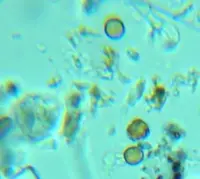
The club-shaped tips carry a dark mazaedium, a powdery mass of spores, which is a key feature used by lichenologists to distinguish this species from similar pin lichens.

FAQs about needle lichen

This lichen grows very slowly, typically only a few millimeters per year, even under good conditions. Growth rate depends on stable moisture, clean air, and low physical disturbance, so visible expansion can take many years.

Grow Healthy Plants with Botan Care

Keep your plants happy and healthy with plant identification, disease detection, and easy care guidance.

Botan plant care app — identify plants on mobile

Explore More Plants