Candelariella coralliza Care

Candelariella coralliza

About Candelariella coralliza

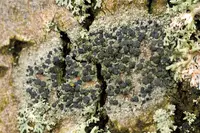
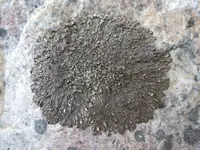
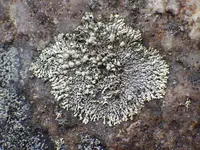
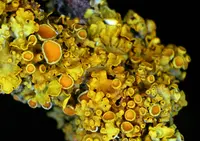
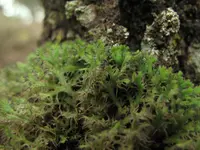
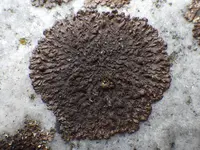
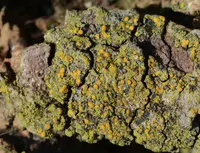
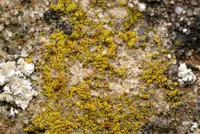
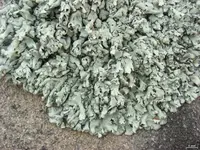
Candelariella coralliza is a crustose lichen, not a true plant, forming thin, tightly attached patches on rock surfaces. It often shows bright yellow to orange, granular or coral-like textures.

This species typically occurs on exposed, sunlit rocks in dry or cool climates, including upland and coastal regions in parts of Europe and North America. It grows slowly and relies on clean air, so it is sensitive to heavy pollution, which can make it challenging to keep in urban settings.

Those who want to learn how to care for Candelariella coralliza should aim to mimic its natural habitat with strong light, excellent air circulation, and dry, mineral-based substrates.

Main Plant Requirements

Care Difficulty

Moderate Care

Light Preference

Partial Shade

Water Requirements

Moderate Water

Temperature Preference

Warm Climate

Hardiness Zone

Unknown

Soil Texture

Loamy

Soil pH

Slightly acidic (6.5–7.0)

Soil Drainage

Well-drained

Fertilization

Minimal (feed rarely)

Get Personalized Care Plan

Scan your plant to receive care tips personalized for your specific plant

Available on iOS and Android

How to Care for the Candelariella coralliza

This crustose lichen prefers bright, open conditions that mimic exposed rock habitats.

  • Provide 6–10 hours of direct sun on rock, masonry, or bark; full sun promotes dense, bright yellow thalli in Candelariella coralliza.
  • Allow light partial shade in hot regions, with morning sun and light afternoon shade to reduce desiccation and surface overheating.
  • Avoid deep shade under dense canopies, which leads to pale, thinning growth; ensure some sky exposure year-round, especially in winter when days are shorter.

This lichen absorbs water from rain, mist, and surface moisture rather than from soil like vascular plants.

  • Rely mainly on natural rainfall; in cultivation, mist lightly when the substrate is fully dry and brittle, then allow it to dry completely again.
  • Use well-drained, hard mineral surfaces such as rock or old masonry; avoid constantly wet, muddy, or water-holding substrates that promote rot and algae.
  • Overwatering shows as dark, soft, or algae-covered patches; underwatering is less harmful, causing temporary dull, shrunken thalli that rehydrate after moisture returns to Candelariella coralliza.

This species is adapted to exposed climates and tolerates a wide temperature range once established on rock or bark.

  • Optimal activity occurs roughly between 40–75°F (4–24°C), especially when surfaces are moist from rain, dew, or fog.
  • Tolerates winter cold well, often surviving short drops near 5°F (−15°C) on stable substrates, provided freeze–thaw cycles are not combined with heavy pollution or physical abrasion.
  • Withstands summer heat up to about 95–100°F (35–38°C) if surfaces can dry between wet periods; prolonged hot, humid conditions without drying may encourage competing algae and fungi.

This crustose lichen tolerates a wide humidity range but reacts mainly to long dry spells.

  • Performs best around 40–70% humidity, provided there are periodic moistening events such as rain, fog, or mist.
  • Tolerates dry air for extended periods but enters a dormant, brittle state until surface moisture returns.
  • Low humidity stress appears as prolonged dull, pale thalli that fail to swell or feel slightly pliable after wetting.
  • On cultivated substrates, increase local humidity by occasional fine misting and avoiding hot, fast‑drying air currents.

Candelariella coralliza is a saxicolous lichen that does not need soil but can be encouraged on artificial, rock‑like substrates.

  • Use a firm, mineral-based surface such as porous sandstone, tufa, or unglazed clay tiles rather than organic potting mixes.
  • Avoid nutrient‑rich, loamy, or compost‑heavy media, which favor algae, moss, and fungi that can outcompete the lichen.
  • Maintain a slightly alkaline to neutral surface (around pH 7–8) by using calcareous stone or a thin layer of lime‑rich mineral dust.
  • Ensure rapid surface drainage so water films do not persist; surfaces should wet briefly after misting or rain, then dry within a few hours.

This lichen can be grown in shallow containers that primarily serve as stable supports for suitable rock or ceramic substrates.

  • Choose a wide, shallow tray so rocks sit firmly and do not shift during watering or outdoor wind exposure.
  • Use a heavy ceramic or stone container outdoors to prevent tipping when substrates are uneven or stacked.
  • Maintain a thin gravel layer under rocks to allow fast runoff and prevent standing water around the lichen-bearing surfaces.

This crustose lichen grows on nutrient-poor rock and normally should not be fertilized in cultivation.

Candelariella coralliza needs no intentional pruning; intervention is limited to minimal cleaning for observation or research.

When grown experimentally on movable substrates, handle this crustose lichen as a fixed surface organism rather than a repottable plant.

  • Transplant only by moving the entire colonized rock, bark slab, or artificial substrate instead of lifting individual thalli.
  • Plan any relocation during mild, stable weather to limit desiccation and thermal shock to the lichen body.
  • Avoid burying, scraping, or washing the colonized surface; physical damage disrupts the symbiosis between fungus and algae.
  • Provide similar light exposure, airflow, and moisture conditions at the new site to reduce stress and colony loss.

Propagation of Candelariella coralliza is specialized and generally left to lichenologists or conservation professionals, not routine hobby practice.

This saxicolous lichen is inherently cold hardy and typically needs no special winter care in outdoor conditions within its natural range.

Care Tips

Select stable substrate

Attach the lichen only to stable, long-lasting mineral substrates such as untreated rock, brick, or unglazed fired clay tiles, as it adheres poorly to loose or crumbly materials and will be slow to establish on them.

Ensure clean surfaces

Before placing fragments, gently brush and rinse the stone surface with plain water to remove dust, algae, and loose particles so the lichen’s fungal layer can make direct contact and anchor more effectively.

Use fragment inoculation

To grow Candelariella coralliza in a controlled setting, press small, dry fragments from a healthy colony onto the new rock surface and hold them in place with a breathable mesh or natural jute string for several months until firmly attached.

Control nutrient exposure

Position the lichen away from fertilizer drift, runoff, and rich soil splash because elevated nutrient levels favor algae, mosses, and faster-growing crusts that can quickly overgrow and shade it out.

Monitor air quality

Avoid placing it near busy roads, fireplaces, or chimneys since many crustose lichens are sensitive to air pollutants, and relocate the substrate if you notice soot deposits or persistent odor of exhaust around the colony.

Common Pests and Diseases

Fungal overgrowth

This disease appears when the lichen thallus becomes overrun by fast‑growing parasitic or saprophytic fungi, often after prolonged wetness and pollution stress. Symptoms include browning, black spotting, or a soft, collapsing texture on patches of the lichen surface.

Solution

Reduce chronic moisture by improving air movement and avoiding constant wetting from irrigation or water features, and consider relocating the host rock or hardscape to a better‑ventilated, less polluted position. Gently remove heavily overgrown or decayed areas with a soft brush to limit spread, taking care not to abrade healthy thalli nearby.

Lichenicolous fungi

This disease is caused by specialized fungi that live on lichens, forming dark pinpoint spots, small galls, or discolored patches on the thallus. Symptoms include localized deformation, reduced color intensity, and gradual dieback of affected areas.

Solution

For mild infections, leave the lichen undisturbed and focus on providing a stable, low‑stress environment, since many infections remain superficial and self‑limited. If damage expands, carefully scrape off heavily colonized sections with a blunt tool and maintain good air circulation and moderate light, which supports overall Candelariella coralliza care instructions.

Grazing by snails and slugs

This pest feeds on moist lichen surfaces, leaving irregular scraped areas, missing patches, and a dull or shredded edge, especially after rainy periods. This pest is most active at night or in very damp, shaded microhabitats.

Solution

Limit access by hand‑picking snails and slugs, removing hiding places such as dense ground litter or stacked debris near the colonized rocks. Where pressure is high, place physical barriers like copper tape on nearby hardscape or use targeted, low‑toxicity slug bait away from the lichen to reduce grazing without contaminating the thallus.

Mite feeding damage

These insects include small arachnids that rasp the lichen surface, creating tiny pale spots, roughened texture, or a dusty appearance on close inspection. Symptoms include slow thinning of the thallus in very dry, warm, sheltered niches.

Solution

Encourage natural predators by avoiding broad‑spectrum insecticides nearby and maintain a more balanced microclimate that is not extremely hot and desiccating. If damage is localized, gently rinse the rock or substrate with a fine, cool water spray to dislodge mites without scrubbing, then allow the surface to dry with good airflow.

Interesting Facts

Coralloid thallus structure

This species forms a distinctive, coral-like crustose thallus with irregular, branching lobes tightly attached to its rock substrate, which helps it withstand wind and intense sun exposure in open habitats.

Preference for siliceous rocks

It is typically found on siliceous rocks such as granite or sandstone in dry, sun-exposed sites, reflecting its adaptation to mineral-poor, low-nutrient conditions where vascular plants are sparse.

Specialized lichen partnership

As a lichenized fungus, it partners with a specific green alga as its photosynthetic symbiont, allowing it to fix carbon and survive on bare rock surfaces with minimal organic material, which is central to Candelariella coralliza care instructions in habitat restoration contexts.

FAQs about Candelariella coralliza

This crustose lichen is not considered poisonous and has no known serious toxicity to pets or humans, but it is not cultivated as food. Avoid deliberate ingestion and contact with polluted or chemically treated substrates it may grow on.

Grow Healthy Plants with Botan Care

Keep your plants happy and healthy with plant identification, disease detection, and easy care guidance.

Botan plant care app — identify plants on mobile

Explore More Plants