Use Inert Substrates
Mount the lichen on inert, low-nutrient materials such as unglazed rock, old concrete, or clay tiles rather than bark or potting mix to mimic its natural habitat and reduce rot risk.

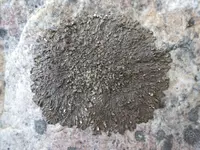
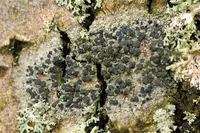
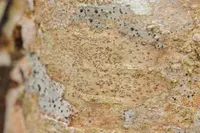
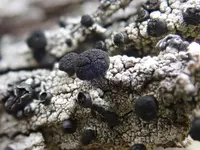
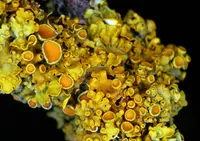
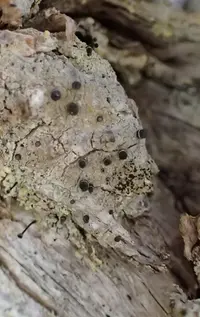
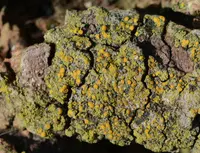
Blistered camouflage lichen (Xanthoparmelia loxodes) is a foliose lichen, not a true plant, formed by a partnership between a fungus and photosynthetic algae. It grows as flat, leaflike lobes tightly attached to rock surfaces, often with a blotched or blistered texture that helps it blend into stone.
This species is typically found on exposed, sunny rocks in dry, open landscapes. It grows very slowly and is sensitive to air pollution and physical disturbance, which makes it challenging to keep in artificial settings.
Those who want to learn how to care for Blistered Camouflage Lichen should know it prefers bright light, good air movement, and only occasional moisture rather than constant wetness or soil contact.

Care Difficulty
Moderate Care

Light Preference
Full Sun

Water Requirements
Low Water

Temperature Preference
Cool Climate

Hardiness Zone
Unknown

Soil Texture
Rocky, Sandy

Soil pH
Acidic (5.5–6.5)

Soil Drainage
Well-drained

Fertilization
Minimal (feed rarely)
Scan your plant to receive care tips personalized for your specific plant
Available on iOS and Android
This lichen prefers bright, open conditions similar to sunny rock outcrops in its natural habitat.
Water needs are very low because this lichen is adapted to intermittent natural rainfall and drying cycles.
This lichen tolerates a broad temperature range but performs best in cool to moderately warm conditions.
This lichen prefers dry, airy conditions and is tolerant of low humidity.
Xanthoparmelia loxodes does not need true soil but benefits from a rocky, mineral substrate that mimics natural outcrops.
This species can be kept in shallow containers if they function mainly as a dry, rocky display surface rather than a traditional potted environment.
Xanthoparmelia loxodes is a rock-dwelling lichen that normally requires no added fertilizer in cultivation.
Xanthoparmelia loxodes needs almost no pruning, only minimal tidying for aesthetic or sanitary reasons.
This lichen is usually grown attached to rocks or bark, so transplanting focuses on moving small colonies rather than classic repotting.
Propagation of Xanthoparmelia loxodes is slow and specialized, so it is rarely attempted by home growers.
This hardy lichen typically needs no special winter care outdoors in temperate climates, even under frost and snow.

Plant Health Check
Not sure what's wrong with your plant? Check your plant's health inside the app.
This lichen is often associated with bird perches on rocks and cliff faces, where it benefits from nitrogen-rich droppings that alter the chemistry of the rock surface.
The species is mainly known from arid to semi-arid inland regions of Australia, where it colonizes exposed siliceous rocks in open habitats.
Xanthoparmelia loxodes produces characteristic lichen substances such as usnic acid and related depsidones, which help protect the thallus from intense solar radiation and herbivory.
Growth is very slow. It often adds only 1–3 mm of new tissue per year, sometimes less. Visible expansion of a colony can take many years, so patience is essential when trying to grow Xanthoparmelia loxodes.
Keep your plants happy and healthy with plant identification, disease detection, and easy care guidance.