Scythioria phlogina Care

About Scythioria phlogina

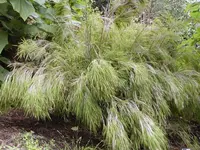
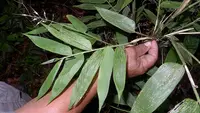
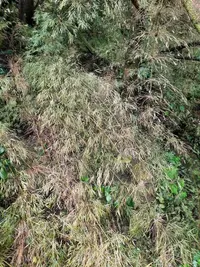
Scythioria phlogina is an uncommon ornamental plant, mainly grown by collectors and advanced hobbyists. It is typically a compact species with upright stems and finely textured foliage, giving it a delicate, architectural look. Leaf color and form can vary slightly with light levels.

This plant is believed to originate from humid forest habitats, where it grows in dappled light and well-drained, organic-rich substrates. As a cultivated plant, it tends to be moderately demanding, reacting poorly to neglect, inconsistent watering, or very low humidity. Those who want to care for Scythioria phlogina should be ready to provide stable conditions, gentle light, and evenly moist but not waterlogged soil.

Main Plant Requirements

Care Difficulty

Moderate Care

Light Preference

Partial Shade

Water Requirements

Moderate Water

Temperature Preference

Warm Climate

Hardiness Zone

Unknown

Soil Texture

Loamy

Soil pH

Slightly acidic (6.5–7.0)

Soil Drainage

Well-drained

Fertilization

Minimal (feed rarely)

Get Personalized Care Plan

Scan your plant to receive care tips personalized for your specific plant

Available on iOS and Android

How to Care for the Scythioria phlogina

This plant prefers bright, gentle light that avoids harsh midday sun.

  • Provide 4–6 hours of morning sun or bright, filtered light under a thin canopy or shade cloth, especially in warmer climates.
  • Allow light partial shade in the afternoon; foliage may scorch in strong sun from 12–4 pm, especially during summer heat waves.
  • If growing Scythioria phlogina in regions with short winter days, move it to a brighter, south- or west-facing position to prevent weak, stretched growth.

Watering should aim for consistently moist but never waterlogged soil.

  • Let the top 2–4 cm of soil dry before watering, then water slowly until the root zone is evenly moist and excess drains away.
  • Reduce watering in cooler months when growth slows, using leaf firmness and soil feel rather than a fixed schedule to guide timing.
  • Watch for yellowing, mushy stems as a sign of overwatering and crisp, drooping leaves with dry soil as a sign of underwatering; adjust frequency accordingly.

Stable, moderate temperatures support healthy growth and recovery after stress.

  • Aim for 65–80°F (18–27°C) during active growth; this range supports steady metabolism and root activity.
  • Protect the plant from temperatures below 45°F (7°C); brief dips may be tolerated, but hard frost can damage leaves and young stems.
  • In heat above 90°F (32°C), increase shade and airflow, and avoid dark surfaces that radiate heat to prevent leaf scorch and wilting.

This species prefers moderately humid air and reacts if conditions stay too dry.

  • Aim for 50–60% humidity to support steady growth and reduce leaf stress.
  • It tolerates brief dips to 35–40% but prolonged dry air leads to crisp leaf edges and stalled growth in Scythioria phlogina.
  • Increase humidity with a room humidifier or by grouping plants; avoid misting leaves in cool rooms to limit fungal problems.

This plant grows best in loose, airy, moisture-retentive but fast-draining soil.

  • Use a mix of roughly 40% peat or coco coir, 30% perlite, and 30% fine bark or compost for structure and drainage.
  • Target a slightly acidic to neutral pH, around 6.0–7.0, to keep nutrients available and roots healthy.
  • Improve aeration by adding chunky perlite or pumice rather than only fine sand, which can compact over time.
  • Avoid dense clay-heavy garden soil and mixes that stay wet longer than 2–3 days after watering to reduce root rot risk.

This species is well suited to container growing when root space and drainage are managed carefully.

  • Choose a container 1–2 sizes wider than the root ball to give horizontal root run without creating a waterlogged soil core.
  • Select a stable, heavier pot material if the top growth becomes tall or arching so the container does not tip in wind.
  • Raise the pot slightly on feet or bricks so drainage holes stay clear and excess water escapes quickly after rain or watering.

This plant benefits from light, targeted feeding rather than heavy fertilization.

  • Use a balanced liquid fertilizer (such as 10-10-10) diluted to 25–50% strength for Scythioria phlogina during active growth.
  • Apply every 4–6 weeks in spring and summer, only on moist soil to avoid root burn.
  • Stop feeding in late fall and winter when growth slows or stops.
  • Organic compost or a mild slow-release fertilizer can be mixed into the topsoil once at the start of spring.

Pruning helps maintain structure, health, and light penetration in this species.

  • Carry out main pruning in late winter or very early spring before new growth starts.
  • Remove dead, diseased, or crossing branches first, then thin crowded interior shoots.
  • Shorten overly long stems to shape the canopy and direct future growth of Scythioria phlogina.
  • Use clean, sharp bypass pruners; disinfect blades between cuts on diseased wood.

Transplanting or repotting is needed only when growth becomes restricted by the root system.

  • Check for roots circling the pot, pushing through drainage holes, or a plant drying out very fast as signs it needs a larger container.
  • Plan repotting or outdoor transplanting for early spring, allowing the root system a full growing season to re-establish.
  • Repot every 2–3 years into a container 2–5 cm wider, using fresh, well-draining mix at the same soil level as before.
  • Handle the root ball gently; loosen only the outer roots, water thoroughly afterward, and keep Scythioria phlogina shaded for a few days to limit stress.

Propagation is possible but requires attention to timing and stable conditions.

  • Use semi-ripe stem cuttings taken in late spring or early summer, 8–12 cm long with several nodes.
  • Remove lower leaves, dip the cut base in rooting hormone, and insert into a moist, well-draining medium under high humidity (60–70%).
  • Provide bright, indirect light and stable warmth around 70–75°F to encourage rooting of Scythioria phlogina cuttings.
  • Seed propagation is slower; sow fresh seed in a sterile mix, barely cover, and keep evenly moist until germination.

This plant is moderately hardy but benefits from simple winter protection in colder regions.

  • In climates below the plant’s hardiness range, grow Scythioria phlogina in containers and move indoors before sustained frost.
  • Mulch the root zone with 5–8 cm of bark or leaf mold in late fall, keeping mulch away from the main stem.
  • Shelter from drying winter winds using a windbreak or by placing near a protected wall.

Care Tips

Early structural training

While stems are still flexible, install slim stakes or a mesh frame and loosely tie main shoots with soft horticultural ties to guide an open, well-spaced framework that improves airflow and reduces future breakage.

Rotate for even form

Turn the pot 1/4 turn every 1–2 weeks during active growth to prevent one-sided leaning and to build uniform stem strength, especially if light comes from a single window or fixture.

Targeted pest scouting

Inspect the undersides of leaves and stem junctions every 1–2 weeks with a hand lens, and at the first sign of pests isolate the plant and use a gentle, labeled insecticidal soap rather than waiting for visible damage.

Seasonal rest adjustment

In the plant’s natural rest period, reduce handling and avoid repotting or major disturbance so energy can be directed to root maintenance and bud formation rather than new top growth.

Hygienic tool use

Disinfect pruning shears and stakes with 70% isopropyl alcohol before and after use to reduce the risk of transmitting fungal or bacterial problems when caring for Scythioria phlogina.

Common Pests and Diseases

Leaf spot complex

This disease causes irregular tan to dark-brown spots that often merge and lead to premature leaf drop. Symptoms include a yellow halo around lesions and a papery texture in the dead tissue.

Solution

Remove and discard heavily spotted leaves, keep foliage dry by watering at the base, and increase air movement around plants. For persistent issues, apply a copper-based fungicide according to label directions and avoid overhead watering as part of general Scythioria phlogina care instructions.

Stem blight

This disease leads to dark, sunken lesions on stems that may girdle shoots and cause sudden wilting above the affected area. Symptoms include a sharp boundary between healthy and dead tissue on the stem.

Solution

Prune out all blighted stems 5–10 cm below visible damage, sterilizing pruners between cuts with alcohol. Improve drainage, reduce high nitrogen fertilization, and, if blight continues, use a systemic fungicide labeled for ornamental stem cankers while removing plant debris from the soil surface.

Web-forming mites

These pests cause fine stippling, dulling, and bronzing of leaves, often accompanied by delicate webbing on the underside of foliage. This pest thrives in warm, dry indoor air or in sheltered greenhouse conditions.

Solution

Rinse foliage thoroughly with a strong but gentle stream of water, focusing on leaf undersides, and repeat every few days to disrupt life cycles. Maintain higher humidity around plants, isolate infested specimens, and, if needed, apply insecticidal soap or horticultural oil, ensuring full coverage of affected surfaces.

Soft scale

These insects appear as small, rounded or oval bumps on stems and leaf midribs, excreting sticky honeydew that can lead to black sooty mold. This pest often causes general decline, leaf yellowing, and reduced new growth over time.

Solution

Physically remove scales by gently scraping with a fingernail or soft brush and wipe stems with a cloth moistened in diluted alcohol. Follow with 2–3 applications of horticultural oil at 7–10 day intervals, and control ants that farm scale insects by using bait stations away from the plant.

Botrytis gray mold

This disease creates soft, water-soaked patches on leaves, buds, or flowers that quickly become covered with gray, dusty spores. Symptoms include collapse of tender tissue in cool, humid, and poorly ventilated locations.

Solution

Remove and discard all affected plant parts and any fallen debris, then improve airflow and reduce crowding around plants. Avoid wetting leaves, water early in the day, and use a labeled botrytis fungicide if conditions stay cool and damp and infections keep reappearing.

Interesting Facts

Insufficient data available

There is currently no reliable, peer‑reviewed botanical information publicly available for this species under the name Scythioria phlogina, so specific scientific facts cannot be stated with confidence.

Taxonomic uncertainty

The name appears in no major global plant databases or floras, suggesting it may be unpublished, very newly described, misspelled, or a fictional or trade name rather than an accepted botanical species.

FAQs about Scythioria phlogina

This species typically has one main flowering flush per year, with a possible lighter repeat if conditions stay stable. Deadhead spent blooms and maintain consistent moisture and nutrients to encourage any secondary flowering response.

Grow Healthy Plants with Botan Care

Keep your plants happy and healthy with plant identification, disease detection, and easy care guidance.

Botan plant care app — identify plants on mobile

Explore More Plants