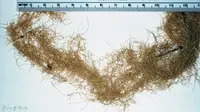
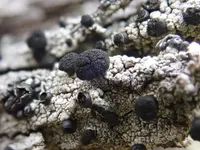
shield lichen Care (Parmelia sulcata)

Also known as: Hammered shield lichen, waxpaper lichen, Netted shield lichen, cracked-shield lichen, powdered crottle, furrowed shield lichen, powdered shield
shield lichen

About shield lichen

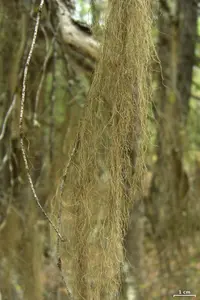
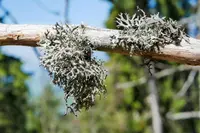
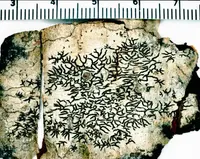
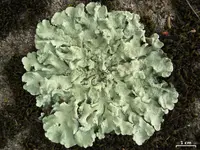
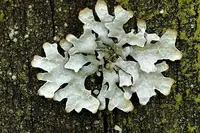
Shield lichen, Parmelia sulcata, is a common foliose lichen, not a true plant but a partnership between a fungus and an alga. It forms overlapping, gray-green lobes that create a scaly, shield-like crust on tree bark, rocks, and old fences.

This species occurs widely across North America and Europe, especially in clean, humid air. It grows slowly and is sensitive to heavy pollution, which makes it a useful air-quality indicator.

For those who want to care for shield lichen in cultivation, it generally prefers bright, indirect light, regular moisture from misting, and a rough, well-drained surface rather than soil.

Main Plant Requirements

Care Difficulty

Hard Care

Light Preference

Partial Shade

Water Requirements

Low Water

Temperature Preference

Cold Hardy

Hardiness Zone

3–9

Soil Texture

Rocky, Sandy, Loamy

Soil pH

Strongly acidic (4.5–5.5), Acidic (5.5–6.5)

Soil Drainage

Well-drained

Fertilization

Minimal (feed rarely)

Get Personalized Care Plan

Scan your plant to receive care tips personalized for your specific plant

Available on iOS and Android

How to Care for the shield lichen

Parmelia sulcata is a lichen that thrives in cool, bright, but not intensely sunny conditions.

  • Provide bright, indirect light or light dappled shade, such as north or east-facing exposures or the shaded side of trees and rocks.
  • Tolerates 1–3 hours of gentle morning sun but should be protected from strong midday and afternoon sun, which can cause bleaching and drying.
  • In summer, shield lichen benefits from extra shade during hot, clear days, while in winter it can handle more open, unobstructed light.

Parmelia sulcata absorbs water mainly from rain, mist, and ambient moisture rather than regular soil watering.

  • Allow the substrate or bark to dry completely between wettings; if mounted, mist lightly only when the lichen looks crisp, pale, and fully dry.
  • In cool, damp seasons rely mostly on natural rainfall; in hot, dry spells occasional misting or brief soaking supports hydration without staying soggy.
  • Signs of overwatering include soft, dark, or slimy patches, while persistent brittleness, fading, and fragmenting suggest chronic dryness.

This lichen is adapted to cool to moderate climates with marked seasonal changes.

  • Best growth occurs around 50–70°F (10–21°C), where moisture is available and evaporation is not too rapid.
  • It tolerates cold down to at least 14°F (-10°C), surviving typical frosts, though long periods of freeze–thaw cycling can damage delicate lobes.
  • Heat above 86°F (30°C), especially with full sun and low humidity, can desiccate tissues, so shade and higher ambient moisture are beneficial in hot spells.

Parmelia sulcata prefers consistently moist air and declines quickly in very dry conditions.

  • Aim for 60–90% humidity, similar to a damp woodland or coastal environment.
  • Tissue becomes brittle, pale, and curls at the edges when exposed to prolonged dry indoor air.
  • Increase humidity by placing it outdoors in shaded, wind-sheltered spots or near naturally humid microclimates such as mossy stones.

This lichen does not root in soil but may be mounted on inert substrates for display or study.

  • Use a shallow layer of coarse sand, fine gravel, or crushed rock as a base, mimicking a stony surface rather than true potting soil.
  • Keep the substrate sharply draining so water passes through within seconds, preventing standing moisture around the thallus.
  • Avoid organic-rich, peat-based mixes and fertilizers, which encourage competing algae and fungi and can damage Parmelia sulcata.
  • Maintain a slightly acidic to neutral environment by using granite, sandstone, or similar mineral materials instead of limestone if in doubt.

This species can be kept in shallow containers mainly as a mounted display rather than a conventional potted plant.

  • Choose a wide, low container to spread rocks or bark pieces, which gives stable support to the lichen fragments.
  • Ensure the container allows rapid runoff so rain or mist does not pool around the mounting surface.
  • Use heavier ceramic or stone containers outdoors to prevent tipping and to buffer rapid moisture and temperature swings at the surface.

Parmelia sulcata, a nutrient-efficient lichen, does not require added fertilizer in normal outdoor conditions.

Parmelia sulcata rarely needs active pruning, since the thallus expands slowly and sheds naturally over time.

Transplanting Parmelia sulcata focuses on moving its substrate rather than disturbing the lichen directly.

  • Transplant in cool, moist weather, typically in spring or fall, to limit desiccation stress.
  • Select a similar host surface, such as comparable bark or rock, to maintain moisture and light conditions.
  • Move intact bark or rock pieces carrying the lichen instead of peeling thalli off the original surface.
  • Handle gently, keep surfaces slightly moist, and avoid burying or scraping the lichen margins.

Propagation of Parmelia sulcata is slow and specialized, and is usually left to natural spread rather than home methods.

Shield lichen growing outdoors is naturally cold hardy and generally needs no special winter care beyond stable habitat conditions.

Care Tips

Use stable substrate

Attach thalli to rough, untreated bark or stone using cotton thread or a loose net rather than glue, which can trap moisture and damage the lichen surface.

Provide strong air movement

Position mounted pieces where they receive steady, gentle airflow from an open window or low-speed fan, as air exchange is critical to prevent stagnation and support gas exchange in the lichen.

Avoid nutrient contamination

Keep lichens away from fertilizer drift, compost piles, and road dust, since elevated nutrients can favor algae and competing organisms that gradually overgrow and weaken the lichen.

Control water quality

Use rainwater or low-mineral filtered water when misting, and allow surfaces to dry between wet periods to reduce salt buildup and prevent opportunistic mold growth.

Monitor light exposure

If moving a colony from shade to a brighter site, increase light over 2–3 weeks by gradual repositioning or partial shading so the photobiont layer adapts without bleaching, which is important when growing shield lichen in new locations.

Common Pests and Diseases

Air pollution damage

Symptoms include bleaching, browning, or loss of the lichen thallus in areas exposed to traffic or industrial emissions. This condition reflects sensitivity to sulfur dioxide, nitrogen oxides, and other airborne pollutants.

Solution

Reduce exposure by positioning collected Parmelia sulcata away from direct roadside or industrial air, for example on cleaner-facing walls or trees. In heavily polluted areas there is no direct cure; the main approach is to improve air quality or source new material from cleaner sites, as this lichen cannot recover once severely damaged.

Excessive nitrogen deposition

This condition leads to overgrowth of competing nitrophilous lichens, algae, and mosses, causing thinning and fragmentation of the shield lichen thallus. Symptoms include fading color and loss of the characteristic lobed structure in areas with high fertilizer drift or ammonia-rich air.

Solution

Limit exposure to agricultural fertilizer drift, manure piles, or heavily fertilized lawns and gardens. Relocate collected bark or branches supporting Parmelia sulcata to areas with lower nutrient inputs and avoid spraying fertilizers or compost teas on or above the lichen surface as part of shield lichen care instructions.

Heavy metal toxicity

This disorder appears as blackened, stiff, or dead patches on the thallus where it grows on metal-rich substrates or receives runoff from treated roofs and metal fixtures. Symptoms include poor growth and loss of the normal gray, powdery surface.

Solution

Avoid placing substrates carrying Parmelia sulcata where they receive runoff from copper, zinc, or lead surfaces such as old gutters, flashing, or painted metal. Move affected material to cleaner bark or rock and, if possible, rinse gently with clean rainwater or distilled water to remove surface contaminants, taking care not to scrub the thallus.

Desiccation damage

This stress condition results from prolonged, extreme drying combined with intense sun and wind, leading to brittle, shriveled thalli that fail to rehydrate fully after moisture returns. Symptoms include persistent rigidity and loss of healthy, pliable texture.

Solution

Keep substrates in sites that provide intermittent moisture, such as shaded or north-facing exposures, and avoid very hot, exposed metal or concrete surfaces. When displaying or studying collected material, provide occasional gentle misting with clean water and avoid direct midday sun that accelerates drying.

Overgrowth by mosses and algae

These organisms gradually blanket the lichen surface in persistently damp, shaded sites, blocking light and reducing gas exchange needed for photosynthesis. Symptoms include green or mossy patches encroaching over the gray shield lichen lobes and a slow decline in lichen cover.

Solution

Improve air movement and moderate light by slightly thinning nearby vegetation or adjusting the substrate position to a brighter, still cool and humid spot. Where practical, carefully tease away small amounts of moss with fingers or soft tweezers, taking care not to tear the lichen, and avoid continuous waterlogging that favors rapid moss and algal growth.

Interesting Facts

Indicator of air quality

This species is highly sensitive to sulfur dioxide and some heavy metals, so its presence and good health often indicate relatively clean, unpolluted air in a region.

Efficient wind dispersal

Its powdery soredia, which are small clumps of fungal and algal cells, are easily blown by wind, allowing this lichen to colonize distant tree bark, rocks, and even man-made structures.

Chemical defensive compounds

It produces secondary metabolites such as atranorin and salazinic acid, which help protect it from intense light, microbial attack, and grazing invertebrates.

Botan icon

Did you know?

Parmelia sulcata was one of the first lichens used extensively in long-term air pollution monitoring programs across Europe and North America, helping scientists map industrial sulfur emissions over large geographic areas.

FAQs about shield lichen

Growth is slow. Thalli usually extend only a few millimeters per year, depending on moisture, air quality, and light. In stable, humid, unpolluted environments, patches can gradually coalesce into larger crusts over many years.

Grow Healthy Plants with Botan Care

Keep your plants happy and healthy with plant identification, disease detection, and easy care guidance.

Botan plant care app — identify plants on mobile

Explore More Plants