Common greenshield lichen Care (Flavoparmelia caperata)

Also known as: flavoparmelia lichen
Common greenshield lichen

About Common greenshield lichen

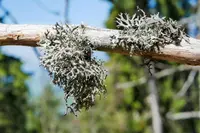
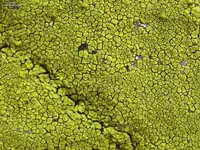
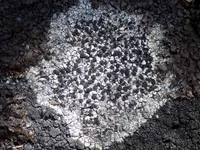
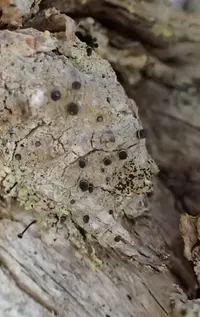
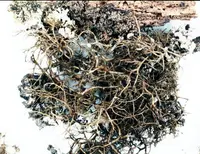
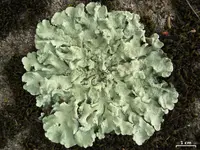
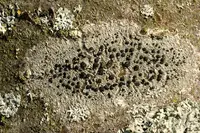
Common greenshield lichen, Flavoparmelia caperata, is a foliose lichen, not a true plant, formed by a partnership between a fungus and photosynthetic algae. It creates round, leafy, yellow-green patches that cling tightly to bark, rock, and old wood.

This species is widespread in temperate regions, especially in areas with clean air and steady humidity. It grows slowly and does not need soil, drawing moisture and nutrients mainly from rain and the air.

Because it is sensitive to air pollution and drying winds, it is easier to keep outdoors in suitable climates than in containers or terrariums. Those who want to learn how to care for Common greenshield lichen should focus on stable moisture, good air circulation, and low pollution exposure.

Main Plant Requirements

Care Difficulty

Moderate Care

Light Preference

Partial Shade

Water Requirements

Low Water

Temperature Preference

Cold Hardy

Hardiness Zone

3–9

Soil Texture

Rocky, Sandy, Loamy

Soil pH

Strongly acidic (4.5–5.5), Acidic (5.5–6.5)

Soil Drainage

Well-drained

Fertilization

Minimal (feed rarely)

Get Personalized Care Plan

Scan your plant to receive care tips personalized for your specific plant

Available on iOS and Android

How to Care for the Common greenshield lichen

Flavoparmelia caperata thrives in bright, indirect light typical of open woods and rock surfaces.

  • Aim for 3–6 hours of dappled or filtered light daily, such as light under open tree canopies or on shaded rock faces.
  • Tolerates partial shade well; morning sun with afternoon shade helps prevent bleaching or drying of the lichen thallus.
  • Avoid harsh, all-day summer sun, which can overheat and desiccate Common greenshield lichen, especially on exposed rock or man-made surfaces.

Flavoparmelia caperata absorbs moisture from rain, dew, and humid air rather than from soil.

  • Allow the substrate or bark surface to dry between natural wetting events; the lichen should feel dry and papery before the next thorough wetting.
  • In dry periods, light misting 1–3 times per week can help, stopping if the thallus stays soft and damp for more than 12–24 hours to avoid rot.
  • Signs of underwatering include brittle, curling edges, while persistent dark, mushy patches or algae growth indicate chronic overmoistening.

This lichen is broadly cold-hardy but grows best in moderate temperatures.

  • Optimal active growth occurs around 50–75°F (10–24°C), with steady moisture and good air movement.
  • Tolerates winter lows down to about 5–10°F (-15 to -12°C) on natural outdoor surfaces, provided freeze–thaw cycles are gradual.
  • Handles brief heat up to 90–95°F (32–35°C) if humidity is moderate, but prolonged extreme heat and drying winds slow growth and can cause tissue death.

This lichen needs consistently moist, humid air to stay healthy in cultivation.

  • Aim for 70–95% humidity, similar to a shaded forest or rock-face microclimate for Common greenshield lichen.
  • In dry air, lobes curl, fade, or become brittle, signaling desiccation stress.
  • Raise humidity by misting nearby surfaces, placing the substrate over a shallow water tray without submerging, or growing in a ventilated terrarium.

Flavoparmelia caperata is not rooted and attaches to bark or rock, but it can be mounted on a substrate with soil-like support in cultivation.

  • Use a very coarse, mineral-based mix such as 60–80% sand, fine gravel, or pumice with 20–40% low-organic material like shredded bark.
  • Ensure extremely sharp drainage so water passes through in seconds, preventing the substrate from staying wet around the thallus.
  • Keep pH slightly acidic to neutral (pH 5.5–7.0), avoiding strongly alkaline mixes unless mimicking a known wild habitat.
  • Avoid dense, peat-heavy, or clay-based mixes; improve aeration by adding extra grit or small stones to create air pockets.

This species can be grown in shallow containers mainly as a mounted display rather than a traditional potted plant.

  • Choose a wide, shallow tray so the lichen can spread across bark or stone pieces without sitting in collected water.
  • Anchor bark or rock fragments with gravel so the mount stays stable and does not shift during handling or misting.
  • Select unglazed clay or rocky dishes that dry quickly and prevent prolonged surface dampness around the lichen.

Flavoparmelia caperata grows on bark or rock and normally needs no added fertilizer in gardens or natural settings.

Flavoparmelia caperata requires no true pruning, since it is a lichen rather than a typical vascular plant.

This lichen is not repotted like houseplants; instead, it is occasionally moved or introduced to new bark or rock surfaces.

  • Transplant only when necessary, such as relocating from unsafe or disturbed sites to stable, chemical-free bark or stone.
  • Choose cool, moist weather in spring or fall so the lichen experiences less desiccation stress during establishment.
  • Gently lift small thallus pieces and press them onto the new surface, matching similar bark texture and light exposure.
  • Keep the new site shaded to bright indirect and consistently humid for several weeks to support slow attachment and growth.

Flavoparmelia caperata propagation is slow and specialized, so it is rarely attempted by home growers and best left to habitat conservation projects.

Common greenshield lichen is very cold hardy outdoors and usually needs no special winter care in temperate climates.

Care Tips

Choose proper substrate

Mount thalli on stable, long-lasting, barky hardwoods like oak or on unglazed rock with a slightly rough surface, as this mimics natural habitats and helps the lichen anchor securely over time.

Avoid nutrient contamination

Keep mounted pieces away from fertilizer drift, compost piles, and runoff from fertilized lawns because excess nutrients favor algae, moss, and competing lichens that can overgrow and shade this species.

Maximize clean airflow

Place substrates where there is steady, gentle air movement and minimal trapped moisture, such as open fence rails or the outer branches of trees, to reduce sooty mold growth and surface fouling.

Limit handling contact

Handle thalli only at the edges and as little as possible, since repeated touching compresses the cortex (outer layer) and can slow growth or cause local dieback.

Monitor pollution exposure

Site colonies away from busy roads, chimneys, and fire pits, and periodically move experimental mounts to cleaner air if growth stalls, because caring for Common greenshield lichen is highly dependent on good air quality.

Common Pests and Diseases

Air pollution sensitivity

Symptoms include bleaching, browning, or loss of the yellow-green color on the lichen surface, often on sides most exposed to traffic or industrial emissions. This problem is linked to sulfur dioxide, ozone, and other airborne pollutants that damage the symbiotic algae and fungal tissues.

Solution

Management focuses on reducing exposure by keeping collected thalli or display pieces in areas with cleaner air, away from roadways, chimneys, and smoke. Improve air movement outdoors and avoid placing specimens near idling vehicles, open fireplaces, or heavy use of chemical sprays to limit additional stress on the lichen surface.

Prolonged desiccation damage

This condition appears as brittle, cracked, and persistently curled lobes that do not fully soften and green up after moistening. Long dry periods can damage the photosynthetic partner in the lichen and reduce its ability to resume normal metabolism when rehydrated.

Solution

To manage this, allow the lichen to experience natural wet-dry cycles but avoid extreme, continuous dryness by providing periodic light misting or brief soaking if kept on display. Ensure good airflow and avoid placing it in hot, drying drafts or direct heating sources, which intensify water loss and structural damage.

Snail and slug grazing

These animals leave irregular bite marks, scraped patches, and missing lobe tips, especially on moist, shaded substrates where lichens stay hydrated longer. This pest can gradually thin or remove patches of the thallus over time.

Solution

Handpick snails and slugs from host surfaces during damp periods and reduce nearby hiding spots such as dense leaf litter or debris. Physical barriers like copper tape on display boards or careful use of iron phosphate slug baits around, but not on, lichen-bearing bark can lower grazing pressure without directly contaminating the thalli.

Lichenicolous fungi

This disease is caused by specialized fungi that grow on or within the lichen, sometimes forming dark spots, deformities, or discolored patches on the thallus surface. These fungi may reduce growth or cause partial dieback of affected lobes.

Solution

Remove and discard heavily infected fragments to slow spread, especially in curated collections or educational displays. Provide good air circulation, avoid chronic wetness on stored or mounted specimens, and minimize mechanical damage to reduce entry points and stress that favor these fungi, which supports general Flavoparmelia caperata care.

Heavy metal accumulation

Symptoms include localized necrotic spots, dull or grayish discoloration, and poor recovery after wetting in areas exposed to metal-rich dust or runoff. This problem results from the lichen passively absorbing metals such as lead, zinc, or copper from polluted air or surfaces.

Solution

Limit exposure by collecting and displaying material from relatively clean habitats and avoiding placement on treated timber, painted metal, or old, flaking painted surfaces. If used decoratively, keep pieces away from industrial dust, metal grinding, and similar sources, and replace any thalli that become discolored or fail to respond to normal hydration.

Interesting Facts

Acid-rain indicator

This lichen disappears quickly from polluted urban areas and is common in clean rural air, so ecologists use its presence or absence as a simple bioindicator of sulfur dioxide and other air pollutants.

Distinctive powdery surface

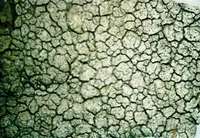
Its pale yellow-green thallus has a characteristic powdery, granular surface caused by soredia, which are tiny reproductive clusters of algae and fungal threads that allow it to spread efficiently over bark and rock.

Strong substrate preference

In many regions it grows most abundantly on nutrient-rich bark of maples, oaks, and poplars and is less frequent on conifers, reflecting its sensitivity to bark chemistry and moisture balance.

Botan icon

Did you know?

Genetic and microscopic studies have confirmed that this species belongs to the so-called green shield lichens, where a single fungal partner consistently associates with green algae of the genus Trebouxia, forming a stable symbiosis that can persist for decades on the same tree trunk.

FAQs about Common greenshield lichen

Growth is slow, often only 1–3 mm per year under natural conditions. Rate depends on clean air, stable moisture, and moderate temperatures. Disturbance, pollution, or prolonged dryness can slow or halt visible expansion for years.

Grow Healthy Plants with Botan Care

Keep your plants happy and healthy with plant identification, disease detection, and easy care guidance.

Botan plant care app — identify plants on mobile

Explore More Plants