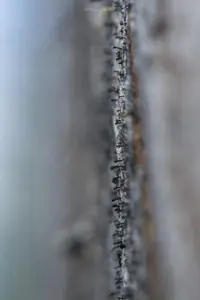
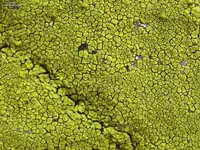
Burred horsehair lichen Care (Bryoria furcellata)

Also known as: horsehair lichen
Burred horsehair lichen

About Burred horsehair lichen

Burred horsehair lichen (Bryoria furcellata) is a fruticose lichen, not a true plant, formed by a partnership between a fungus and photosynthetic algae. It typically hangs in long, dark, hair-like strands with tiny burrs along the branches, giving it a rough texture.

This species commonly grows on conifer bark in cool, clean, forested areas of North America and other northern regions, where air quality is high. It can be challenging to maintain in cultivation because it is very sensitive to pollution, drying, and handling, so attempts to care for Burred horsehair lichen indoors often have limited success. In nature it prefers cool air, bright indirect light, and frequent but gentle moisture from fog or rain rather than heavy wetting.

Main Plant Requirements

Care Difficulty

Hard Care

Light Preference

Partial Shade

Water Requirements

Low Water

Temperature Preference

Cold Hardy

Hardiness Zone

Unknown

Soil Texture

Rocky, Loamy, Organic-rich

Soil pH

Strongly acidic (4.5–5.5), Acidic (5.5–6.5)

Soil Drainage

Well-drained

Fertilization

Minimal (feed rarely)

Get Personalized Care Plan

Scan your plant to receive care tips personalized for your specific plant

Available on iOS and Android

How to Care for the Burred horsehair lichen

This lichen prefers cool, bright conditions with soft, indirect light rather than intense sun.

  • Provide 3–6 hours of dappled or filtered light daily, such as light under open conifers or in bright woodland edges, to mimic its natural canopy habitat.
  • Allow morning sun with afternoon shade in exposed sites; strong midday sun can dry and bleach Burred horsehair lichen, reducing growth and fragment strength.
  • In summer, protect from prolonged direct sun and hot, reflective surfaces; in winter, increased low-angle light is acceptable if air remains cool and humid.

Bryoria furcellata absorbs moisture from rain, fog, and humid air rather than from soil.

  • Aim for cycles of moist, then fully dry tissue; extended dripping wet conditions promote rot and algal overgrowth on the thallus surface.
  • In drier seasons, occasional light misting during cool morning or evening periods can help, but tissue should dry completely within a few hours.
  • Signs of chronic underwatering include brittle, easily snapping branches, while slimy, discolored, or foul-smelling patches indicate excessive and prolonged wetness.

This lichen thrives in cool to cold climates but tolerates a fairly broad temperature range when moisture and light are suitable.

  • Optimal growth occurs around 40–65°F (4–18°C), common in cool coastal and montane forests where it often naturally persists.
  • It tolerates winter cold down to about 5°F (-15°C) when slowly acclimated, especially if air remains humid and tissue is not repeatedly freeze-thawed while saturated.
  • Sustained heat above 80°F (27°C), particularly with intense sun and low humidity, stresses the lichen and can cause desiccation damage, so partial shade and airflow are important in warmer periods.

This lichen requires consistently moist air and declines quickly in dry indoor conditions.

  • Aim for 70–100% humidity, mimicking cool, damp forest air rather than typical indoor room conditions.
  • Prolonged humidity below about 60% leads to brittleness, fading color, and slow disintegration of the strands.
  • Increase humidity by placing it outdoors in foggy, coastal, or forested areas rather than relying on intermittent misting.

Bryoria furcellata is an epiphytic lichen that anchors to bark or rock and does not need conventional soil.

  • Avoid potting soil; instead, attach it loosely to pesticide-free, rough-textured bark or inert rock that dries rapidly between wettings.
  • Ensure excellent drainage and airflow beneath the substrate so the thallus dries quickly and does not stay waterlogged.
  • Keep conditions slightly acidic by using natural conifer bark or granite rather than alkaline limestone or concrete surfaces.
  • Prevent accumulation of organic debris or fertilizer residues, which can trap moisture and promote algae or mold growth around the lichen.

This species is not naturally suited to traditional container culture, but it can be maintained on mounted bark or rock set in a pot for display.

  • Use a heavy, stable container so mounted bark or rock does not tip over in wind or when misted.
  • Keep the mount elevated above any standing water in the pot so the lichen dries fully after each wetting.
  • Choose a wide, shallow container that allows free air circulation around all sides of the mounted piece.

This lichen does not use soil nutrients in a typical plant way, so Bryoria furcellata does not need fertilizing in cultivation.

Pruning Bryoria furcellata is mainly cosmetic and for managing space rather than stimulating growth.

  • Trim only dead, discolored, or heavily damaged strands, leaving healthy tufted sections intact.
  • Use small, sharp scissors or pruning snips to make clean cuts without crushing the delicate thallus.
  • Limit work to dry weather so handling is gentle and the lichen surface is not compressed when wet.
  • Shape lightly by shortening overly long or tangled sections instead of removing whole clumps.

Bryoria furcellata is usually grown attached to bark or other substrates, so care focuses on repositioning rather than classic repotting.

  • Transplant when the lichen pad detaches, its substrate decays, or light and airflow become very restricted.
  • Plan moves in cool, mild seasons, avoiding very hot, dry, or freezing weather that increases stress.
  • Shift the entire attached piece onto fresh, rough bark or inert material, disturbing the thallus as little as possible.
  • Secure gently with soft ties or netting until natural anchoring occurs, then remove supports to prevent abrasion.

Propagation of Bryoria furcellata is slow and best viewed as experimental rather than a routine home technique.

This lichen is naturally cold hardy and usually needs no special winter protection beyond stable mounting conditions.

Care Tips

Branch attachment method

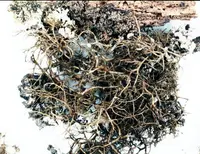
Secure small lichen tufts to rough, barky twigs with a single loop of cotton thread or a soft horticultural tie, leaving them slightly loose so air can circulate and the thallus can naturally attach over several months.

Mobile mounting racks

Place mounted twigs or small branches on a mesh rack or in an open wooden tray so air can reach all sides, then rotate the rack every 1–2 weeks to even out exposure to light and moisture.

Gentle hydration routine

Instead of misting daily, set up a shallow humidity tray under the lichen mounts and use an ultra-fine mister only during drier indoor spells, allowing the thalli to dry fully between sessions to prevent rot.

Rain event simulation

Every few weeks, give the mounted lichen a brief, cool, distilled-water rinse that mimics a natural rain, then hang or place it in a well-ventilated spot so the branches dry within a few hours.

Clean air priority

Keep lichens away from kitchens, garages, and scented products, and if indoors, position them near a frequently opened window or an intake of filtered outdoor air, since clean, moving air is more critical than fertilizer when growing Burred horsehair lichen.

Common Pests and Diseases

Air pollution damage

Symptoms include bleaching, browning, or loss of the fine hairlike branches, often on the side most exposed to polluted air. This condition is especially linked to sulfur dioxide, nitrogen oxides, and heavy metals in the atmosphere.

Solution

Reduce exposure to polluted air by keeping collected material far from roads, chimneys, or industrial sources, and avoid displaying it in areas with cigarette smoke or gas heater exhaust. For long-term growing Bryoria furcellata outdoors, only collect from and relocate to sites with clean air and stable forest canopy conditions.

Desiccation stress

This stress appears as brittle, easily breaking strands that lose elasticity and may remain pale even after misting. It occurs when the lichen is kept in warm, dry air without regular natural wetting and drying cycles.

Solution

Maintain high ambient humidity of roughly 50–70% without constant wetness, and mist lightly with rainwater or distilled water during dry periods while allowing complete drying between mistings. Avoid strong indoor heating, direct hot sun, and forced air vents that strip moisture from the thallus.

Fungal overgrowth

This disease shows as dark, often sooty or patchy coatings on the lichen surface, sometimes with a slight cottony or crusty texture that obscures the normal branching. It develops in persistently damp, stagnant air conditions.

Solution

Improve airflow and ensure full drying between wetting events, and gently shake or brush off loose growths with a soft brush. If sections are heavily colonized, remove and discard affected fragments and adjust misting frequency and density to prevent constant dampness.

Lichenicolous infections

This disease is caused by specialized fungi or other lichens that live on Bryoria, forming discolored spots, deformed branch tips, or locally thickened, knotted areas. Symptoms include localized color shifts, stunted growth, or abnormal branching patterns.

Solution

Physically remove and discard visibly infected tufts to prevent further spread on stored or decorative material. For outdoor colonies, focus on maintaining suitable light, clean air, and natural drying cycles, since direct chemical treatments risk harming the host lichen more than the parasite.

Mite grazing

This pest causes fine surface scarring, fraying, or patchy thinning of the strands, especially in stored or displayed material kept in dark, undisturbed places. These mites feed on lichen tissue or associated microorganisms on the surface.

Solution

Inspect stored material regularly and, if damage is seen, gently shake or brush the lichen outdoors to dislodge mites, then move it to a cooler, well-ventilated location. For persistent problems, briefly place affected pieces in a sealed container and cool them in a refrigerator for 24–48 hours to reduce mite populations without chemical sprays.

Interesting Facts

Toxic vulpinic acid

This lichen produces the yellow pigment vulpinic acid, a secondary metabolite that is toxic to many animals and helps protect it from being eaten.

Nitrogen-pollution sensitivity

Populations of this species decline sharply in areas with elevated nitrogen pollution from industry or agriculture, so it is often used as a bioindicator of clean, unpolluted air.

Boreal forest specialist

It is strongly associated with cool, humid boreal and subalpine forests, where it typically hangs in tufts from conifer branches rather than growing directly on rocks or soil.

Botan icon

Did you know?

In parts of northern Europe, traditional ecology studies have used the presence and abundance of this species on old conifer trees as one criterion to identify long-continuity forests that have avoided intensive logging for many decades.

FAQs about Burred horsehair lichen

This species does best outdoors in cool, clean, humid air, usually on conifer branches. Indoors it often declines due to low humidity and air quality, so Burred horsehair lichen indoor care is generally not recommended long term.

Grow Healthy Plants with Botan Care

Keep your plants happy and healthy with plant identification, disease detection, and easy care guidance.

Botan plant care app — identify plants on mobile

Explore More Plants