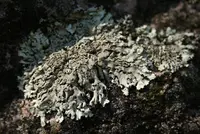
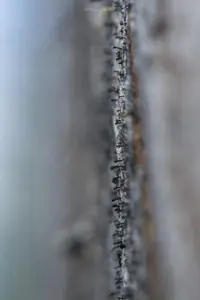
catillaria lichen Care (Catillaria chalybeia)

catillaria lichen

About catillaria lichen

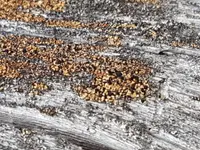
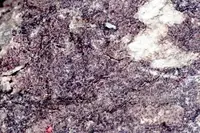
Catillaria chalybeia is a crustose lichen, not a true plant, formed by a partnership between a fungus and photosynthetic algae or cyanobacteria. It grows tightly attached to rock or bark, forming thin, gritty patches with small dark fruiting bodies.

This species occurs mainly in temperate regions, especially on exposed rocks in coastal or upland habitats with clean air. It is slow-growing and sensitive to heavy pollution, which makes it challenging to cultivate in typical home conditions. Those who wish to learn how to care for catillaria lichen should focus on stable cool temperatures, good air movement, and consistently damp but not waterlogged surfaces.

Main Plant Requirements

Care Difficulty

Hard Care

Light Preference

Partial Shade

Water Requirements

Low Water

Temperature Preference

Cool Climate

Hardiness Zone

Unknown

Soil Texture

Rocky, Sandy

Soil pH

Strongly acidic (4.5–5.5)

Soil Drainage

Well-drained

Fertilization

Minimal (feed rarely)

Get Personalized Care Plan

Scan your plant to receive care tips personalized for your specific plant

Available on iOS and Android

How to Care for the catillaria lichen

This crustose lichen prefers stable, cool to mild light conditions on its natural rock or bark substrates.

  • Provide 3–5 hours of soft morning sun or bright open shade; avoid intense, direct midday exposure that can dry the thallus too quickly.
  • Allow dappled or filtered light the rest of the day; catillaria lichen often does best on north- or east-facing surfaces with indirect light.
  • In summer, shield from strong afternoon sun; in winter, ensure it still receives bright, indirect light for several hours to maintain steady photosynthesis.

This lichen relies on intermittent surface moisture rather than deep watering like vascular plants.

  • Moisten the surface only when it has fully dried, using a fine mist until just damp; avoid standing water, which encourages decay and algae growth.
  • Ensure the substrate drains freely; rock, bark, or very gritty mineral mixes prevent water from pooling around Catillaria chalybeia.
  • In warmer, windy periods, increase light misting frequency based on visible dryness; in cooler seasons, reduce misting and let the surface stay dry for longer intervals.

This species is adapted to cool to moderately warm outdoor conditions with marked seasonal variation.

  • Aim for general exposure within 40–75°F (4–24°C), which supports steady metabolism and moisture cycling in the thallus.
  • Tolerates brief cold down to about 20°F (-6°C) if dry, but repeated hard freezes with surface ice can damage tissue and supporting substrate.
  • Handles short warm spells up to 85°F (29°C) if shaded and not allowed to desiccate completely, but prolonged heat and low humidity increase stress and reduce long-term vitality.

This lichen tolerates a broad humidity range but performs best in consistently moist, not saturated, air conditions.

  • Aim for 50–80% humidity by keeping the substrate slightly damp rather than soaking wet.
  • Tolerates short dry spells, but prolonged air below 40% causes dull, brittle thalli and reduced growth.
  • Increase humidity locally by misting surrounding surfaces or placing damp, inert rocks nearby without covering catillaria lichen directly.

This crustose lichen naturally grows on hard, stable substrates rather than typical potting soil.

  • Mimic natural conditions using mineral, low-organic surfaces such as unglazed stone, old brick, or alkaline concrete instead of loose, organic-rich mixes.
  • Ensure the surface drains and dries quickly after wetting; avoid substrates that remain wet or spongy for more than a few hours.
  • Favor slightly alkaline conditions (around pH 7–8) by using calcareous rock, crushed limestone, or mortar fragments as the colonization surface.
  • Do not use peat-heavy or compacted media, which trap moisture and restrict the aerated, firm surface that Catillaria chalybeia requires for stable attachment.

This species is suitable for container growing only when attached to inert substrates placed in the container rather than planted in loose media.

  • Secure rocks or masonry pieces firmly so they do not shift, since surface movement disrupts lichen attachment and growth.
  • Use a shallow, wide container that exposes the substrate to full air circulation and rapid surface drying after rainfall or irrigation.
  • Choose porous materials like unglazed terracotta to reduce prolonged surface dampness and limit competitive moss or algal growth on the host substrate.

This crustose lichen gains nutrients mainly from rain, dust, and its substrate, so Catillaria chalybeia usually needs no additional fertilizer.

Pruning Catillaria chalybeia is generally unnecessary and is not recommended in typical care.

This lichen normally grows on natural rock or bark and is not suited to frequent repotting or transplanting.

  • Only consider moving a colony if its substrate will be destroyed, such as during construction or tree removal.
  • Transplant during mild, stable weather in spring or early fall to reduce stress.
  • Carefully lift thin flakes of lichen with a sterile knife, keeping as much attached substrate as possible.
  • Place onto a new, similar mineral surface, press gently, and keep the site evenly moist from mist or rain until reattachment.

Intentional propagation of Catillaria chalybeia is specialized and slow, so it is rarely attempted in home settings.

This lichen is naturally cold hardy and typically requires no special winter care outdoors.

Care Tips

Select stable substrate

Mount the lichen on inert, stable material such as unglazed rock, old bark, or weathered brick that does not crumble or leach salts, since surface chemistry strongly affects how well it anchors and expands.

Minimize handling

Handle the thallus only with soft tweezers or by moving its substrate, because repeated touching or flexing easily breaks the fine attachment points and slows recovery and spread.

Use gentle misting

If supplemental moisture is needed, use a fine mist aimed above the colony so droplets settle like fog rather than striking it directly, which helps avoid mechanical damage to the tiny lobes and apothecia (fruiting bodies).

Control air pollutants

Site colonies away from vehicle exhaust, fireplaces, and treated wood, since this lichen is sensitive to airborne pollutants and metals that gradually weaken growth and limit reproduction when growing catillaria lichen.

Rotate exposure surfaces

If kept on movable stones or tiles, rotate pieces a quarter turn every few weeks to even out light and moisture exposure, which encourages more uniform colonization over the substrate surface.

Common Pests and Diseases

Air pollution damage

Symptoms include bleaching, browning, or loss of thallus patches on exposed surfaces, especially near roads or industrial areas. This problem reflects the high sensitivity of Catillaria chalybeia to sulfur dioxide, nitrogen oxides, and other airborne pollutants.

Solution

Reduce exposure by avoiding collection or cultivation on substrates in heavily polluted or high-traffic areas and favor cleaner-air locations such as sheltered rocks or old trees away from roads. Improving local air quality and avoiding chemical sprays or smoke near the lichen will support recovery and long-term growing Catillaria chalybeia on suitable substrates.

Substrate eutrophication

This disease-like decline occurs when excess nutrients from bird droppings, fertilizers, or agricultural drift reach the lichen surface. Symptoms include overgrowth by algae or mosses and a gradual disappearance of the fine, crustose thallus.

Solution

Limit nutrient input by keeping fertilizers, compost, and manure away from lichen-covered bark or stone and by discouraging heavy roosting of birds above key patches. If safe and practical, gently rinse the substrate with clean, non-chlorinated water during dry periods to reduce surface salts and nutrients without scrubbing the thallus.

Bark or wood decay fungi

These fungi do not attack the lichen directly but degrade the living bark or wood that supports it. Symptoms include loosening, cracking, or loss of bark sections, leading to detachment and death of lichen patches.

Solution

When possible, maintain host trees in stable health by avoiding mechanical damage and severe bark injuries and by not overwatering or compacting the soil around roots. Avoid removing or heavily pruning limbs that host healthy lichen colonies unless there is a safety concern, and select stable, long-lived trees or hardened timber as preferred substrates for long-term lichen survival.

Overgrowth by mosses

This condition develops when mosses expand over lichen-covered bark or stone in persistently damp, shaded conditions. Symptoms include lichen patches being shaded out, buried, or displaced by dense green cushions.

Solution

Improve light and airflow around the substrate by selectively thinning nearby vegetation or slightly increasing sun exposure, without sudden full sun shocks. Where legally and ethically appropriate, carefully lift or pinch away small moss tufts with fingers or blunt tweezers, avoiding direct scraping of the lichen surface.

Lichenivorous mites

These tiny arthropods graze on lichen tissue and may cause fine pitting, discoloration, or a powdery, eroded look on the thallus. This pest usually appears in very dry, stressed microhabitats or in material kept in tightly enclosed, dusty displays.

Solution

Reduce stress by maintaining moderate humidity and gentle air movement around collected material and avoid sealed, stagnant display cases. If mites are suspected on small samples, a short period in a cooler, well-ventilated place combined with very gentle misting can discourage populations, while any heavily damaged fragments can be removed with fine forceps.

Interesting Facts

Iron-stained rock specialist

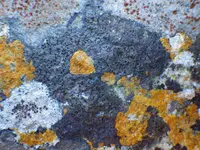
This lichen is strongly associated with iron-rich, often rust-colored rocks, especially in coastal and upland habitats, where it exploits mineral-enriched microcrevices that many other lichens do not colonize as readily.

Distinctive blue-black thallus

It forms a thin, crust-like thallus that is typically dark blue-black to slate-colored, which makes it relatively easy to distinguish from many pale or yellow crustose lichens on the same rock surfaces.

Widespread but overlooked

Although recorded from several temperate regions including parts of Europe and North America, it is often missed in surveys because of its minute, crustose growth form and tendency to blend into weathered rock surfaces.

FAQs about catillaria lichen

This lichen grows very slowly, often only fractions of a millimeter per year. Visible expansion of a colony can take many years, especially in dry or exposed sites. Disturbance, air pollution, and surface instability can slow growth further.

Grow Healthy Plants with Botan Care

Keep your plants happy and healthy with plant identification, disease detection, and easy care guidance.

Botan plant care app — identify plants on mobile

Explore More Plants