membraneous felt lichen Care (Peltigera membranacea)

Also known as: membranous pelt lichen
membraneous felt lichen

About membraneous felt lichen

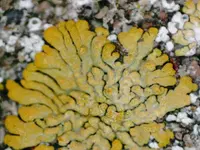
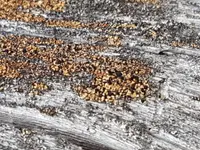
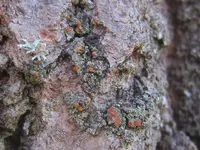
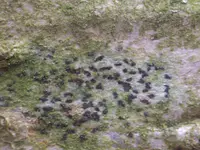
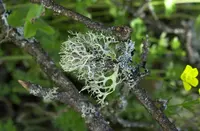
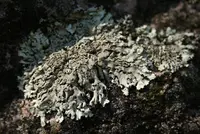
Membraneous felt lichen, Peltigera membranacea, is a foliose lichen, not a true plant, formed by a partnership between a fungus and photosynthetic partner. It grows as soft, leaf-like lobes that form loose, overlapping mats. Surfaces are usually gray to brownish on top with a paler, felted underside.

It typically occurs on soil, moss, rotting wood, and rocks in cool, humid forests and along shaded banks in temperate regions. The species prefers clean, moist air and stable humidity, which makes it sensitive to pollution and drying and limits how easy it is to grow in cultivation. Anyone wanting to learn how to care for membraneous felt lichen should focus on steady moisture, cool conditions, and gentle, indirect light.

Main Plant Requirements

Care Difficulty

Hard Care

Light Preference

Partial Shade

Water Requirements

Keep Soil Moist

Temperature Preference

Cold Hardy

Hardiness Zone

3–8

Soil Texture

Loamy, Silty, Organic-rich

Soil pH

Strongly acidic (4.5–5.5), Acidic (5.5–6.5)

Soil Drainage

Moist but well-drained

Fertilization

Minimal (feed rarely)

Get Personalized Care Plan

Scan your plant to receive care tips personalized for your specific plant

Available on iOS and Android

How to Care for the membraneous felt lichen

This lichen prefers cool, shaded woodland conditions with only brief, gentle sun exposure.

  • Provide bright shade or dappled light under trees, with no more than 1–2 hours of weak morning sun and full protection from strong midday and afternoon sun.
  • Place membraneous felt lichen where it is shielded by rocks, logs, or low vegetation, mimicking forest-floor light with constant indirect light rather than open exposure.
  • Watch color and texture: bleaching, crisp edges, or shrinking lobes indicate too much sun, while very dark, lank growth in deep crevices suggests light is too low.

This lichen relies on frequent surface moisture but deteriorates in waterlogged conditions.

  • Aim for a constantly moist but not submerged substrate, such as decaying wood or humus-rich soil that drains freely within a few hours after heavy rain or watering.
  • Rehydrate when the surface feels dry and papery, using gentle misting or light sprinkling; avoid pooling water that remains for more than 3–4 hours.
  • In warm, windy, or very sunny periods, increase misting frequency, and watch for limp, brittle lobes as a sign of drying, or soft, slimy patches as a sign of excess moisture affecting Peltigera membranacea.

This species is adapted to cool, temperate climates and performs best without temperature extremes.

  • Optimal growth occurs around 50–68°F (10–20°C), typical of shaded forest floors with stable, cool conditions and moderate humidity.
  • It tolerates short drops to about 23°F (-5°C) when naturally attached to rock or soil, but repeated freeze–thaw cycles on exposed, bare surfaces can damage tissue.
  • Sustained heat above 77–86°F (25–30°C), especially with direct sun, causes desiccation; provide deep shade, increased humidity, and airflow during hot, dry spells.

This lichen needs consistently cool, very humid conditions and declines quickly in dry air.

  • Aim for 70–100% humidity, mimicking moist forest or streamside habitats rather than typical indoor room air.
  • Dry air causes crisping or curling lobe edges and a dull, brittle surface instead of flexible, hydrated tissue.
  • Increase humidity by placing it in a closed, ventilated terrarium or covered tray system, misting lightly whenever the thallus feels dry to the touch.

This species prefers moist, humus-rich, well-aerated substrates rather than standard potting soil.

  • Use a mix of 50–70% leaf litter or fine compost with 30–50% coarse sand or fine grit to mimic decomposing forest floor material.
  • Ensure drainage is free but not rapid; the substrate should stay evenly moist yet never waterlogged or anaerobic (lacking oxygen).
  • Keep pH slightly acidic to neutral, roughly 5.0–7.0, avoiding strongly alkaline materials such as heavy lime or concrete rubble.
  • Improve aeration by incorporating fine pine bark or small gravel, and avoid dense clay, peat-only mixes, or compacted garden soil that holds stagnant water.

This species can be maintained in shallow containers if moisture and airflow are carefully controlled.

  • Choose a wide, shallow tray to allow spreading thalli while keeping the entire substrate surface uniformly moist.
  • Select a non-porous container material, such as plastic or glazed ceramic, to slow evaporation and reduce rapid drying of the thin substrate layer.
  • Provide a slightly sloped or textured substrate surface so water drains gently to one edge instead of pooling directly under the lichen.

This lichen gains nutrients mostly from rain, dust, and its substrate, so fertilizing Peltigera membranacea is usually unnecessary and can be harmful.

Peltigera membranacea needs almost no pruning, but light cleanup supports healthy thallus surfaces.

  • Inspect in late winter or early spring when growth is slow and thalli are easier to see.
  • Gently remove only dead, decayed, or heavily damaged lobes by hand to limit disturbance.
  • Avoid cutting or tearing healthy tissue; any shaping is minimal and purely cosmetic.

This lichen is usually grown on outdoor substrates, so focus on careful transplanting rather than frequent repotting.

  • Transplant only when the original substrate is crumbling, shaded out, or being removed.
  • Best timing is cool, moist weather in spring or early fall to reduce desiccation stress.
  • Lift the lichen with its attached bark, soil crust, or rock fragment intact.
  • Place on a similar new surface, press gently for contact, then keep evenly moist until reattached.

Propagation of Peltigera membranacea is slow and mainly done by relocating small pieces of the thallus.

  • Best season is cool, damp spring or fall with stable moisture and low heat.
  • Gently detach small lobes containing both upper surface and underside rhizines.
  • Lay fragments flat on suitable bark, soil, or rock and ensure firm surface contact.
  • Maintain shaded, humid conditions and avoid disturbance while the lichen slowly re-establishes.

This lichen is naturally cold hardy and typically needs no special winter care beyond stable habitat conditions.

  • Tolerates freezing and thawing when attached to stable bark, soil, or rock surfaces.
  • Avoid scraping, salting, or de-icing on surfaces where the lichen grows.
  • Container-mounted pieces can stay outdoors; move only if exposure causes drying winter winds.

Care Tips

Substrate selection

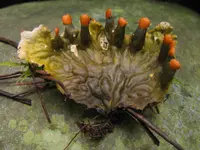
Attach thalli to rough, mineral-rich surfaces such as old hardwood logs, sandstone, or compacted humus rather than loose potting mixes, which helps the lichen anchor and form stable, spreading mats.

Gentle mist rinsing

Periodically mist with clean, low-mineral water until runoff to gently wash off dust, algae film, and urban pollutants that block light from the photobiont layer, then allow excess water to drain away fully.

Fragment propagation

To expand a colony, press small healthy lobes firmly onto a similar nearby surface and secure them with a light mesh or biodegradable twine for 2–4 weeks until they adhere on their own.

Algal overgrowth control

If green film algae begins to overrun the thallus, move the colony to a slightly shadier, better-ventilated spot and lightly brush the surface with a very soft, damp brush, avoiding any scraping of tissue.

Microclimate planning

When caring for membraneous felt lichen outdoors, group it with other moisture-loving, low-growing mosses or lichens to create a shared humid boundary layer that reduces desiccation between rain or misting events.

Common Pests and Diseases

Slime molds

This disease appears as soft, gelatinous or slimy patches that creep over the lichen thallus, often after prolonged wet periods. Symptoms include rapid discoloration and breakdown of the lichen surface.

Solution

Gently rinse the affected colony with clean, nonchlorinated water and improve air movement and drainage around the substrate so surfaces dry between wet periods. Remove and discard heavily overgrown sections to prevent further smothering, and avoid nutrient-enriched runoff that favors slime mold growth when following general Peltigera membranacea care instructions.

Parasitic fungi

This disease is caused by specialized lichenicolous fungi that invade the thallus, leading to dark spots, pustules, or deformed lobes. Symptoms include slow thinning of the lichen and loss of its normal color and texture.

Solution

Carefully remove and discard visibly infected lobes with sterilized scissors to limit spread, and avoid overhead nutrient-rich sprays that may stress the lichen and favor the parasite. Keep the colony in cool, humid, well-ventilated conditions to support recovery of remaining healthy tissue.

Fungal overgrowth (molds)

This disease shows up as fuzzy gray, white, or dark mold growing over the thallus surface, usually in constantly damp, stagnant air conditions. Symptoms include reduced photosynthesis, dull color, and eventual tissue collapse if overgrowth is heavy.

Solution

Reduce constant wetting and increase airflow so the lichen surface can dry lightly between misting or rainfall events. Rinse the surface gently with clean water to remove loose mold growth, and if needed, remove severely overgrown pieces to protect nearby healthy thalli.

Grazing mites

This pest consists of tiny arachnids that feed on the lichen surface, creating fine pits, roughened patches, or powdery frass. Symptoms include uneven surface texture and gradual thinning of the lichen mat.

Solution

Rinse the colony gently with a firm stream of nonchlorinated water to dislodge mites and debris, and reduce overly dry, dusty conditions that favor mite buildup. For persistent infestations in cultivation, short, targeted applications of insecticidal soap to the surrounding substrate rather than directly on the thallus can help reduce populations while minimizing lichen damage.

Gastropod grazing

This pest is caused by slugs and snails feeding on the soft thallus, leaving irregular bite marks, missing lobes, and slime trails. Symptoms include patchy loss of tissue, especially in moist, shaded habitats with high organic matter.

Solution

Hand-pick slugs and snails during damp periods and use physical barriers such as copper tape or rough mineral grit around cultivated colonies. Reduce nearby hiding places like dense leaf litter, and if necessary place iron phosphate bait away from the lichen to lower local gastropod numbers with minimal impact on other organisms.

Interesting Facts

Cyanobacterial partnership

This lichen forms a symbiosis with filamentous cyanobacteria of the genus Nostoc, which carry out nitrogen fixation and allow it to enrich nutrient-poor forest soils with biologically available nitrogen.

Distinct veined underside

The lower surface shows a strongly veined, reticulate pattern with pale to whitish veins that help distinguish it from other Peltigera species with darker, less contrasting undersides.

Preference for mossy substrates

It commonly grows over mossy soil, decaying logs, and forest floor litter in humid, shaded woodlands, where the moss layer helps retain the moisture the lichen needs for metabolic activity.

Botan icon

Did you know?

In some boreal and temperate forests, large patches of Peltigera membranacea can form important early colonization mats on disturbed ground, stabilizing the surface and creating microhabitats that facilitate the later establishment of mosses, herbs, and tree seedlings.

FAQs about membraneous felt lichen

Growth is generally slow. Thalli usually expand only a few millimeters per year, forming larger patches over many years. Growth rate improves with stable moisture, cool temperatures, clean air, and undisturbed, mossy or organically rich substrates.

Grow Healthy Plants with Botan Care

Keep your plants happy and healthy with plant identification, disease detection, and easy care guidance.

Botan plant care app — identify plants on mobile

Explore More Plants