Spiny gray horsehair lichen Care (Bryoria nadvornikiana)

Also known as: Nadvornik's horsehair lichen
Spiny gray horsehair lichen

About Spiny gray horsehair lichen

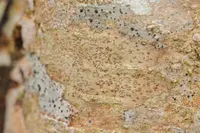
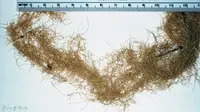
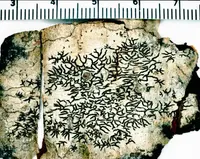
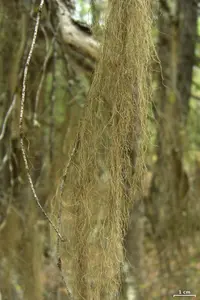
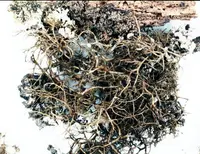
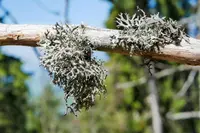
Spiny gray horsehair lichen (Bryoria nadvornikiana) is a fruticose lichen, not a true plant, formed by a partnership between a fungus and photosynthetic algae. It develops long, hair-like, gray to brownish strands that hang from tree branches, often giving forests a wispy, beard-like appearance.

This lichen naturally occurs in cool, clean-air forests of North America and Eurasia, where it is sensitive to air pollution and environmental disturbance. Because it depends on stable humidity, good air quality, and suitable host trees, it is challenging to keep and care for Spiny gray horsehair lichen in typical home or garden conditions.


Main Plant Requirements

Care Difficulty

Hard Care

Light Preference

Partial Shade

Water Requirements

Low Water

Temperature Preference

Cold Hardy

Hardiness Zone

2–7

Soil Texture

Rocky, Sandy

Soil pH

Strongly acidic (4.5–5.5)

Soil Drainage

Well-drained

Fertilization

Minimal (feed rarely)

Get Personalized Care Plan

Scan your plant to receive care tips personalized for your specific plant

Available on iOS and Android

How to Care for the Spiny gray horsehair lichen

Bryoria nadvornikiana relies on bright, cool outdoor light with protection from strong direct sun.

  • Provide 2–4 hours of gentle morning sun with bright, dappled or filtered light for the rest of the day, similar to open forest conditions.
  • Avoid harsh midday and afternoon sun, which can desiccate Spiny gray horsehair lichen and cause bleaching or brittle branches, especially in dry, exposed sites.
  • In summer, prioritize partial shade under trees; in winter, more open exposure is acceptable if air remains humid and surfaces do not overheat.

This lichen absorbs moisture from rain, fog, and humidity rather than from soil like a typical plant.

  • Allow Bryoria nadvornikiana to dry fully between natural wetting events; in cultivation, mist lightly only when thalli feel crisp-dry and ambient humidity is low.
  • Ensure excellent air circulation so surfaces dry within a few hours after wetting; prolonged wetness leads to decay, dark soft patches, or foul odor.
  • During hot, dry seasons, increase brief misting frequency instead of heavy soaking, watching for persistent brittleness and color dulling as signs of underhydration.

This species is adapted to cool to mild climates with good air movement and moderate humidity.

  • Aim for typical growth conditions of 40–65°F (4–18°C), which match many coastal and upland forests where the lichen naturally occurs.
  • It tolerates cold down to about 10°F (-12°C) when attached to natural substrates, but repeated freeze–thaw on exposed, artificial mounts can damage tissue.
  • Sustained heat above 80°F (27°C), especially with low humidity and intense sun, stresses the lichen, so provide shade and cooler airflow during hot spells.

This lichen tolerates a wide humidity range but performs best in consistently moist air.

  • Aim for 60–90% humidity, similar to cool, moist forest air where Spiny gray horsehair lichen naturally grows.
  • It survives brief dry spells but prolonged air below 40% causes brittleness, fading color, and slow growth.
  • Increase humidity outdoors by placing it on rough bark in sheltered, misty spots or lightly misting during extended dry weather.

Bryoria nadvornikiana does not root in soil and instead anchors to bark, wood, or rock surfaces.

  • Use a coarse, inert base such as aged bark slabs, driftwood, or untreated branches rather than any soil mix.
  • Keep the surface free-draining so water runs off quickly, since constant saturation encourages rot and algae overgrowth.
  • If mounting on a display substrate, combine large bark pieces and stone to maximize air movement around the thallus.
  • Avoid dense, water-holding media such as potting mix, compost, or clay, which restrict airflow and trap moisture against the lichen.

This species is only loosely suitable for containers when treated as a mounted display rather than a potted plant.

  • Use a shallow, wide container filled with rocks or bark chunks to support a branch or slab that holds the lichen above any standing water.
  • Choose a heavy or low, stable container so light branches or mounts are not blown over outdoors.
  • Drill extra side holes near the base of decorative containers to allow rapid runoff and strong air circulation around the mounted material.

Bryoria nadvornikiana, commonly known as Spiny gray horsehair lichen, does not need fertilization in normal conditions.

Pruning Bryoria nadvornikiana is mainly corrective and for aesthetic management, not for stimulating growth.

  • Carry out light trimming at any time, ideally during dry weather, to reduce moisture-related damage at cut surfaces.
  • Remove only dead, broken, or heavily polluted strands, leaving healthy, well-attached sections intact.
  • Use clean, sharp scissors or pruning snips and avoid tearing the lichen from its substrate bark.
  • Limit pruning to small sections so the remaining thalli keep their natural structure and ecological function.

This lichen is usually grown attached to bark or branches, so management focuses on careful transplanting rather than true repotting.

  • Consider transplanting only when the substrate is decaying or unsafe, not on a schedule.
  • Best timing is cool, moist weather in spring or fall to reduce desiccation stress.
  • Gently move small bark pieces with attached lichen rather than peeling Bryoria nadvornikiana off the surface.
  • Place the new substrate in similar light, humidity, and air quality, and avoid handling the strands to protect their fine structure.

Propagation of Bryoria nadvornikiana is slow and specialized, so it is rarely attempted by home growers.

This lichen is naturally cold hardy and needs no special winter care in outdoor conditions.

Care Tips

Select clean host

Attach this epiphytic lichen only to untreated, lichen-free branches from non-resinous trees (such as birch or maple) that have not been sprayed with pesticides or wood preservatives, to avoid chemical damage and competition from other lichens.

Maximize air movement

Suspend the lichen on open racks, mesh, or loosely wired branches so that air can freely circulate around all sides, which reduces moisture buildup and helps maintain the fine, hairlike structure.

Gentle misting technique

Use a fine-mist spray bottle held at least 30–40 cm away and mist above the lichen so droplets fall like light rain, rather than spraying directly at close range, which can mat and damage the delicate strands.

Careful handling and mounting

Handle clumps only by thicker, central sections and use soft ties, cotton thread, or loose loops of fishing line instead of tight wire, preventing crushing or cutting of the thin filaments while positioning it on the display branch.

Monitor pollution exposure

Keep this lichen away from busy roads, garages, or areas with heavy smoke or cleaning aerosols, since Bryoria nadvornikiana is highly sensitive to air pollutants and will decline quickly in poor air quality when caring for Spiny gray horsehair lichen.

Common Pests and Diseases

Lichenicolous fungi

This disease involves specialized fungi that live on and damage the lichen thallus, causing localized discoloration, black spots, or deformation of the hair-like branches. Symptoms include patches that stop growing or become brittle and fragmented.

Solution

Remove and discard visibly infected fragments to reduce spread, and avoid keeping the lichen in chronically damp, stagnant air. Provide strong indirect light, good air movement, and allow the substrate to dry lightly between misting to make conditions less favorable for these fungi.

Airborne sulfur pollution

This disease-like stress results from exposure to sulfur dioxide and related acidic pollutants, which can bleach, brown, or kill the fine gray strands over time. Symptoms include dull, faded color, loss of elasticity, and eventual crumbling of exposed portions.

Solution

Keep collected material far from combustion sources such as busy roads, fireplaces, or industrial emissions, and provide fresh, clean outdoor or well-filtered indoor air. If possible, relocate the lichen to an area with consistently better air quality and avoid enclosed spaces with smoke or fumes when considering Bryoria nadvornikiana care.

Mite grazing

This pest issue is caused by tiny mites that feed on the lichen surface, creating roughened patches, fine speckling, or small areas of missing tissue. This pest may also leave fine webbing or dust-like droppings on and between the strands.

Solution

Gently rinse the lichen with clean, lukewarm water and increase air circulation to make conditions less favorable. If mites persist, isolate the affected material and use a mild insecticidal soap rinse followed by thorough rinsing with water, ensuring the lichen dries quickly in moving air.

Lepidoptera larvae

These insects, especially small moth or butterfly caterpillars, can browse on the lichen, leaving chewed, shortened, or broken filaments and small accumulations of frass (pellet-like droppings). Damage tends to appear in localized clusters where larvae rest and feed.

Solution

Inspect the lichen carefully and remove any larvae by hand, along with heavily eaten fragments. Reduce nighttime artificial lighting that attracts adult moths, and store or display the lichen in well-ventilated areas with limited access for flying insects, using fine mesh barriers if needed for high-value specimens.

Interesting Facts

Cold-climate specialist

This lichen is most common in boreal and subalpine forests of Northern and Central Europe, where it hangs from conifer branches in cool, moist air with low pollution levels.

Air-quality indicator

It is highly sensitive to sulfur dioxide and other industrial pollutants, so stable populations usually indicate relatively clean, unpolluted forest air.

Chemically distinctive thallus

The species can be distinguished from similar Bryoria by its chemistry, notably the presence of fumarprotocetraric acid, which is identified using standard lichen spot tests in the laboratory.

Botan icon

Did you know?

In some northern European regions, this species has been used in detailed lichen monitoring programs to track long-term changes in forest air quality, providing early warning of increasing industrial or traffic-related pollution.

FAQs about Spiny gray horsehair lichen

This lichen grows very slowly, often only a few millimeters per year. Growth depends on clean air, stable humidity, and cool to cold conditions. Even in ideal habitats it can take many years to form noticeable strands.

Grow Healthy Plants with Botan Care

Keep your plants happy and healthy with plant identification, disease detection, and easy care guidance.

Botan plant care app — identify plants on mobile

Explore More Plants