Old Man's Beard Care (Dolichousnea longissima)

Also known as: Methuselah's Beard Lichen
Old Man's Beard

About Old Man's Beard

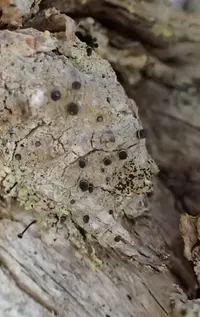
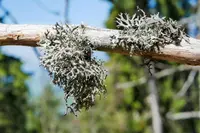
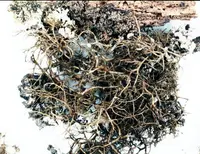
Old man's beard (Dolichousnea longissima) is a fruticose lichen, not a true plant, forming long, hanging, hair-like strands on trees. It often looks like pale green or yellowish-grey threads draped over branches.

This lichen is native to cool, moist forests in parts of Europe, Asia, and North America, where air quality is high. It grows very slowly and depends on clean, humid air, which makes it challenging to cultivate at home.

Those who want to learn how to care for Old Man's Beard should know it prefers bright, indirect light, good air circulation, and steady moisture in the air rather than wet roots or soil.

Main Plant Requirements

Care Difficulty

Hard Care

Light Preference

Partial Shade

Water Requirements

Low Water

Temperature Preference

Cool Climate

Hardiness Zone

5–8

Soil Texture

Rocky, Loamy, Organic-rich

Soil pH

Strongly acidic (4.5–5.5), Acidic (5.5–6.5)

Soil Drainage

Well-drained

Fertilization

Minimal (feed rarely)

Get Personalized Care Plan

Scan your plant to receive care tips personalized for your specific plant

Available on iOS and Android

How to Care for the Old Man's Beard

Dolichousnea longissima thrives in bright, indirect light that mimics open, airy woodland or coastal conditions.

  • Provide 4–6 hours of bright, filtered light daily, such as dappled sun under sparse tree canopies or bright shade beside lightly shaded fences.
  • Tolerates light morning sun but should be protected from harsh midday and afternoon sun that can desiccate and bleach Old Man's Beard, especially in dry or windy sites.
  • In summer, favor partial shade in hot regions; in cooler or cloudier climates, choose more open sites so strands dry quickly after rain yet still avoid scorching exposure.

This lichen absorbs moisture from rain, fog, and humid air, so watering practices must prevent prolonged saturation around its holdfasts.

  • In garden or forest settings, avoid placing Dolichousnea longissima where water collects; branches or supports should dry within a few hours after rain.
  • If supplemental watering is needed during dry spells, lightly mist or sprinkle so strands feel moist but not dripping, and allow them to dry completely between events.
  • Signs of excess moisture include persistent sliminess, dark soft patches, or algae growth; severe crisping, brittleness, and loss of flexibility indicate prolonged drought stress.

This species prefers cool to mild conditions and is sensitive to both strong heat and severe, drying cold.

  • Optimal growth occurs around 40–70°F (4–21°C), typical of cool, moist forests and maritime climates with consistent humidity and gentle air movement.
  • It tolerates brief drops near 20°F (-7°C) if air is humid and not excessively windy, but repeated hard freezes with dry air can cause dieback and fragmentation.
  • Sustained heat above 80°F (27°C), especially combined with low humidity and direct sun, leads to desiccation; provide shade and shelter from hot, drying winds in summer.

This lichen prefers consistently moist air and depends strongly on ambient humidity.

  • Aim for 70–100% humidity; prolonged exposure below 50% causes desiccation and slow decline.
  • Tolerates brief dry spells but fronds become brittle, pale, and less flexible when humidity is too low.
  • Increase humidity by mounting in sheltered, misty outdoor spots or near waterfalls, foggy areas, or regularly misted microhabitats when caring for Old Man's Beard.

Dolichousnea longissima is an epiphytic lichen that does not root in conventional soil.

  • Attach thalli to rough bark, untreated wood, or inert mounts instead of planting in potting mixes or garden soil.
  • If a substrate is used, keep it extremely free-draining and coarse, such as bark chips with a small amount of sphagnum fibers, to avoid waterlogging.
  • Maintain slightly acidic conditions around pH 5.0–6.0 by avoiding alkaline dusts or lime-based substrates that can damage the lichen surface.
  • Ensure excellent air flow around the thalli; avoid compact, fine-textured materials that stay wet and limit gas exchange.

This species is not naturally suited to traditional container culture but can be displayed on mounts within a container setting.

  • Use a wide, shallow container filled with coarse gravel only as a base, keeping the lichen itself elevated on a mounted branch above any standing water.
  • Choose heavy ceramic or stone containers outdoors to prevent wind tipping, since mounted strands can act like a sail and catch airflow.
  • Position the mount so air can move freely on all sides inside the container, avoiding solid-sided enclosures that trap stagnant, humid air.

Dolichousnea longissima is a lichen that gains nutrients from rain, dust, and air, so routine fertilization is not recommended.

Dolichousnea longissima needs only minimal pruning to maintain health and air flow on the host branch.

  • Limit work to late winter or early spring during dry weather to reduce damage and contamination.
  • Gently remove only dead, blackened, or heavily broken strands instead of reshaping whole clumps.
  • Use clean, sharp scissors and avoid crushing the thallus so small attachment points remain intact.
  • Avoid heavy thinning, which can reduce photosynthetic area and slow overall growth.

This lichen is usually grown attached to bark or branches, so transplanting focuses on moving small colonies rather than repotting.

  • Consider transplanting only when the host branch is dying, unstable, or being removed.
  • Best timing is early spring or fall, during cool, moist weather that prevents desiccation.
  • Gently tie or glue small tufts onto pesticide-free bark, keeping the natural growing direction and spacing.
  • Handle minimally to avoid tearing attachment points and mist lightly after mounting to limit stress.

Propagation of Dolichousnea longissima is slow and mainly done by relocating small natural fragments rather than starting from spores.

  • Take tiny branch tips in cool, humid weather and keep them shaded and moist during handling.
  • Attach fragments to rough, untreated bark using soft ties, natural fiber, or a small dab of non-toxic adhesive.
  • Maintain high humidity and good air movement to support gradual reattachment and growth.
  • Avoid aggressive cutting or division, since excessive fragmentation can dry out tissue before it stabilizes.

This lichen is naturally cold hardy in its native range and generally needs no special winter care outdoors.

  • Outdoor colonies tolerate freezing and snow as long as air quality and host trees remain healthy.
  • For mounted decorative pieces, keep outdoors or in a cool, bright, humid place rather than near heaters.
  • If moved indoors, avoid very dry air and intense, direct heat sources that can desiccate the thallus.

Care Tips

Suspended mounting

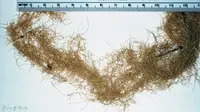
Mount the lichen on an inert, non-porous hanger such as fishing line, nylon thread, or plastic mesh so air can move freely around all sides and dust does not accumulate on a backing surface.

Air quality protection

Keep strands away from kitchens, fireplaces, candles, and busy roads, since soot and fumes accumulate on the thallus and can slowly kill the lichen; place it where air is clean and gently moving instead.

Gentle cleaning routine

Every 2–4 weeks, use a hand air blower on the lowest setting or a soft artist’s brush to remove dust and fine particles so the surface remains clear for gas exchange and light penetration.

Rainwater rotation

If outdoor conditions are safe, periodically move the mounted lichen outdoors during mild, clean rainy periods so it can hydrate naturally, then return it indoors once it begins to dry to support stable Old Man's Beard indoor care.

Salt and metal avoidance

Do not mount or display the lichen on copper, galvanized metal, or near sea spray and de-icing salt, as metals and salts can accumulate and cause tissue dieback over time.

Common Pests and Diseases

Sulfur dioxide injury

Symptoms include bleaching, browning, or death of lichen strands, especially on the side facing industrial areas or heavy traffic. This disease reflects air pollution stress rather than a living pathogen.

Solution

Reduce exposure by cultivating material in clean-air locations away from roads, chimneys, and industrial emissions, and avoid burning fuels nearby. For mounted specimens, move them indoors or to sheltered outdoor spots with good air circulation and monitor local air-quality advisories as part of Dolichousnea longissima care.

Nitrogen pollution stress

This disease appears as loss of the characteristic long, hair-like form, with stunted, thickened, or discolored branches in areas affected by agricultural or traffic-derived nitrogen compounds. Growth slows and stands may thin out over time.

Solution

Keep collections away from fertilized fields, livestock housing, and high-traffic roads, and never apply synthetic fertilizers directly to the lichen. Improving distance from nitrogen sources and maintaining a buffer of trees or shrubs can gradually improve vigor in surviving thalli.

Desiccation damage

Symptoms include brittle, easily breaking strands and persistent pale or grayish coloration when conditions stay very dry for long periods. This stress does not kill the lichen immediately but reduces growth and makes it fragment easily.

Solution

Provide access to natural humidity and gentle wetting cycles, such as fog, mist, or light rain; for mounted displays, occasionally mist with clean, non-chlorinated water and then allow full drying between cycles. Avoid hot, dry air from heaters or direct strong sun, and protect from handling when thalli are crisp and dry.

Heavy metal accumulation

Symptoms include very slow or arrested growth, dull coloration, and eventual dieback in sites exposed to metal-rich dusts or emissions from industry or mining. This disease results from toxic buildup in the lichen tissues over time.

Solution

Source material only from clean habitats and avoid placing it near metal smelters, busy roads, or treated timber that may leach metals. If decline is observed in a contaminated area, relocate surviving fragments to a cleaner environment and avoid using that site for growing Old Man's Beard.

Lepidopteran grazing

This pest problem is caused by moth or butterfly larvae that feed on the lichen surface, leaving chewed, uneven edges and thin or broken segments. Damage is usually patchy but can be noticeable in sheltered, humid sites where larvae persist.

Solution

Inspect thalli regularly and gently remove visible caterpillars by hand, taking care not to tear the strands. Encourage natural predators such as birds, and if material is grown on a display branch, short cold exposure or carefully shaking the substrate outdoors can reduce larvae without chemicals that might harm the lichen.Received invalid response from model: 'str' object has no attribute 'get'.

Interesting Facts

Extremely slow growth

This lichen is one of the slowest-growing macrolichens, often adding only fractions of a millimeter per year, which means individual strands can be many decades old despite their delicate appearance.

Old-growth forest indicator

It is strongly associated with long-continuity, humid conifer and mixed forests in northern Europe and parts of North America, so its presence is used by ecologists as an indicator of relatively undisturbed old-growth habitat.

Sensitive to air pollution

This species is highly sensitive to sulfur dioxide and other industrial air pollutants and has disappeared or declined from many former sites, which makes it useful for monitoring long-term air quality changes.

Botan icon

Did you know?

Single thalli of this species can reach several meters in length when conditions are optimal, making it one of the longest known fruticose lichens and giving rise to its striking beard-like curtains in old, humid forests.

FAQs about Old Man's Beard

This lichen performs best outdoors in clean, humid air on host trees. Indoors it usually declines due to low humidity, stagnant air, and dust. Old Man's Beard indoor care is only realistic in specialized terrarium or vivarium conditions.

Grow Healthy Plants with Botan Care

Keep your plants happy and healthy with plant identification, disease detection, and easy care guidance.

Botan plant care app — identify plants on mobile

Explore More Plants