Gray horsehair lichen Care (Bryoria capillaris)

Also known as: horsehair lichen
Gray horsehair lichen

About Gray horsehair lichen

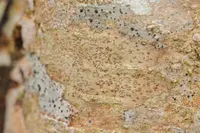
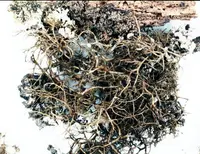
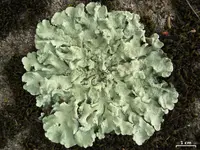
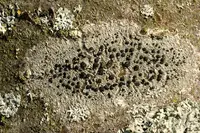
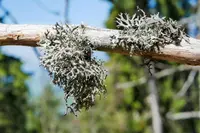
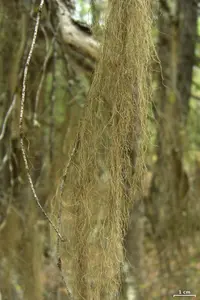
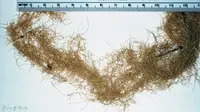
Gray horsehair lichen, Bryoria capillaris, is a fruticose lichen, not a true plant, formed by a partnership between a fungus and photosynthetic algae. It typically hangs in long, fine, hairlike strands that range from gray to brown and often drape from conifer branches.

This species is native to cool, clean-air forests across northern regions, where it grows on tree bark rather than in soil. It is sensitive to pollution and disturbance, which makes it challenging to keep in artificial settings or move indoors. Those wanting to learn how to care for Gray horsehair lichen should understand that it prefers stable, humid air, gentle light, and an undisturbed host surface.

Main Plant Requirements

Care Difficulty

Hard Care

Light Preference

Partial Shade

Water Requirements

Low Water

Temperature Preference

Cold Hardy

Hardiness Zone

3–8

Soil Texture

Rocky, Sandy

Soil pH

Strongly acidic (4.5–5.5), Acidic (5.5–6.5)

Soil Drainage

Well-drained

Fertilization

Minimal (feed rarely)

Get Personalized Care Plan

Scan your plant to receive care tips personalized for your specific plant

Available on iOS and Android

How to Care for the Gray horsehair lichen

This lichen prefers cool, bright, indirect conditions similar to open forest light.

  • Provide 3–6 hours of bright, filtered light daily, such as dappled woodland shade or light through sparse tree canopies.
  • Tolerates partial shade well; avoid strong, direct midday and afternoon sun, which can desiccate Gray horsehair lichen and bleach its color.
  • In summer, choose sites with morning sun and afternoon shade; in winter, slightly more open exposure is acceptable where sunlight intensity is lower.

This epiphytic lichen relies on ambient moisture rather than regular root-based watering.

  • Allow it to hydrate from rainfall, fog, or fine mist; avoid standing water and do not soak it for long periods, since prolonged saturation can cause decay.
  • In dry spells, brief misting every few days can prevent excessive brittleness, stopping when the thallus feels slightly flexible again.
  • Signs of overwatering include persistent softness and dark, slimy patches, while extreme dryness makes Bryoria capillaris very crisp and easily fragmented.

This species is adapted to cool to temperate climates with good air movement.

  • Optimal growth occurs around 40–65°F (4–18°C), common in higher elevations and cool forests with consistent humidity.
  • It tolerates cold down to about 10°F (-12°C) when air is dry and movement is good, but rapid freeze–thaw cycles can damage delicate strands.
  • Sustained heat above 80°F (27°C), especially with intense sun, can desiccate tissue; partial shade and higher ambient humidity reduce stress in hotter seasons.

This epiphytic lichen requires consistently moist air rather than wet surfaces to stay healthy.

  • Aim for 60–90% humidity, mimicking cool, moist forest air with regular misting in dry conditions.
  • It tolerates brief dips to 40–50% humidity but becomes brittle and shriveled if kept dry for long periods.
  • Gray horsehair lichen shows humidity stress through crisp, breakable strands and fading color, so increase ambient moisture with daily fine misting or a nearby humidifier.

Bryoria capillaris normally anchors to bark, so any “soil” substitute must be extremely free-draining and mostly inert.

  • Use a very loose mix of fine orchid bark, coarse sand, and a little sphagnum moss to mimic tree bark texture.
  • Ensure almost instantaneous drainage; the mix should never stay wet or compacted, only briefly damp after misting.
  • Keep pH slightly acidic to neutral (pH 5.0–7.0), avoiding lime-heavy materials that can shift chemistry on the thallus surface.
  • Avoid dense potting compost, manures, and peat-heavy mixes, which trap water and suffocate the lichen’s lower surface.

This species is only loosely suitable for container growing when mounted or supported rather than planted in conventional potting media.

  • Suspend the lichen from a branch or mesh fixed above a shallow container so air moves freely around all sides.
  • Choose a wide, low, and heavy container or base to prevent tipping as strands lengthen and catch air movement.
  • Use inert supports such as untreated twigs or cork in the container, keeping any substrate minimal and always fast-draining to avoid prolonged wet contact.

Bryoria capillaris is a lichen that gathers nutrients from rain, air, and its substrate, so it does not need artificial fertilizer in typical culture.

Bryoria capillaris benefits only from minimal, corrective pruning aimed at maintaining health and appearance rather than shaping.

  • Carry out any trimming in cool, moist seasons, avoiding hot, dry periods that increase desiccation stress.
  • Remove only dead, broken, or heavily polluted strands, leaving healthy tufts intact on the host branch or mount.
  • Use small, sharp scissors or snips and make clean cuts without tearing the lichen from its attachment points.
  • Limit removal to light thinning so natural form and ecological function on the host tree are preserved.

This species is usually grown attached to bark or twigs rather than potted, so transplanting focuses on moving substrate pieces, not roots.

  • Transplant only when the original branch is decaying, unsafe, or must be removed, since frequent disturbance reduces establishment.
  • Choose late fall or early spring, when temperatures are mild and humidity is higher, to reduce drying during transfer.
  • Move intact bark or twig sections with the lichen, handling by the wood rather than tugging the strands themselves.
  • Secure the piece to a new branch or mount with soft, non-choking ties, then keep in humid, shaded conditions until attachment improves.

Bryoria capillaris spreads mainly by fragments rather than by intentional propagation, which is slow and sensitive to air quality and moisture.

This lichen is naturally very cold hardy and normally needs no special winter care in outdoor conditions similar to its native range.

Care Tips

Mounting surfaces

Attach Gray horsehair lichen to rough, untreated bark or natural twigs using a loose loop of cotton thread so the strands can hang freely and receive good air circulation on all sides.

Air movement management

Place mounted clumps where there is gentle, regular air movement such as near but not directly in front of a fan or open window, which helps prevent stagnant moisture and reduces mold risk.

Rainwater collection

Collect clean rainwater in a covered container and use it for misting and soaking, as this closely matches the low-mineral conditions the lichen experiences in nature and helps avoid salt buildup.

Seasonal resting phase

In winter or during naturally cooler, shorter days, reduce handling and soaking frequency slightly to mimic a rest period while still allowing the thallus to fully dry between wetting cycles.

Pollution avoidance

Keep lichens away from busy roads, smoke, and aerosol products like hairspray or cleaners, since their tissues absorb airborne pollutants directly and can be damaged even when caring for Gray horsehair lichen indoors.

Common Pests and Diseases

Air pollution injury

Symptoms include bleaching, browning, or complete disappearance of thalli in areas exposed to traffic, industrial emissions, or smoke. This disease reflects the extreme sensitivity of this lichen to sulfur dioxide, nitrogen oxides, and other air pollutants.

Solution

Reduce exposure by keeping collected Bryoria capillaris material in clean air, away from roads, fireplaces, or cigarette smoke, and avoid using aerosol sprays or harsh chemicals nearby. In polluted outdoor sites, relocation to cleaner air is the only practical measure, since damaged thalli cannot recover once tissues are killed.

Acid rain damage

Symptoms include thinning, fragmenting, and loss of fine branches, especially on exposed outer parts of the lichen. This disease is caused by repeated wet deposition of acidic rain or mist that alters surface chemistry and slowly kills lichen tissue.

Solution

For any cultivated or display material, provide shelter from direct rainfall, such as under a roof overhang or in a terrarium with good air exchange, and use neutral or slightly soft water for occasional misting. In outdoor habitats, only large-scale reduction of acid-forming emissions helps; damaged parts should be removed if used for educational or decorative purposes.

Nutrient enrichment (eutrophication)

Symptoms include decline or disappearance of Bryoria strands where bird droppings, agricultural dust, or fertilizer drift raise nutrient levels, often replaced by more nitrophilous (nitrogen-loving) lichens or algae. This disease state results from excess nitrogen and other nutrients disrupting the low-nutrient conditions that Bryoria capillaris requires.

Solution

Avoid placing this lichen under bird perches, near livestock pens, or next to lawns or crops where fertilizers are applied. If used decoratively, keep it away from compost piles, vents, and fertilizer storage, and gently move any material that becomes heavily soiled with dust or droppings.

Bryoria-galling mites

These insects cause localized swellings, twisted segments, and small galls on lichen branches, which can reduce overall vitality and aesthetic quality. This pest often lives hidden within the filamentous thallus, feeding on lichen tissues or associated microorganisms.

Solution

Inspect strands closely and physically remove heavily deformed sections using clean scissors or tweezers, discarding the material in sealed trash. For display pieces kept indoors, gentle shaking and careful brushing outdoors can dislodge some mites, and maintaining lower dust and debris levels around the lichen reduces habitat suitability.

Epiphytic algae overgrowth

Symptoms include a greenish film or patches covering the normally gray-brown strands, leading to reduced photosynthesis by the original lichen partner. This disease-like condition is favored by stagnant, moist air and high nutrient deposition on the lichen surface.

Solution

Improve air movement around the lichen and reduce humidity spikes while avoiding direct, strong heat. If growing Gray horsehair lichen in a display, place it in bright, indirect light, gently rinse with soft water if surfaces become slimy, and move it away from nutrient sources such as aquariums or open compost.

Interesting Facts

Horsehair growth form

This lichen forms very long, hair-like, hanging strands that can reach several tens of centimeters, creating a fine, flexible tufted texture distinct from many other tree-dwelling lichens.

Nitrogen pollution sensitivity

It is highly sensitive to airborne nitrogen compounds and sulfur dioxide, so its presence in a forest canopy is often used by lichenologists as an indicator of relatively clean air.

Specialist conifer epiphyte

Bryoria capillaris most often grows on the bark and small twigs of conifers such as spruce and fir in cool, humid forests, where its dark, filamentous thalli are adapted to intercept fog and cloud moisture.

FAQs about Gray horsehair lichen

Growth is slow. Many thalli extend only a few millimeters per year, sometimes up to 5–10 mm in favorable, unpolluted, consistently moist but well-aerated sites. Noticeable length changes are usually measured over several years rather than a single season.

Grow Healthy Plants with Botan Care

Keep your plants happy and healthy with plant identification, disease detection, and easy care guidance.

Botan plant care app — identify plants on mobile

Explore More Plants