cartilage lichen Care (Ramalina fastigiata)

Also known as: even-topped branch-moss, Dotted Ribbon Lichen
cartilage lichen

About cartilage lichen

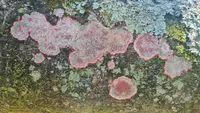
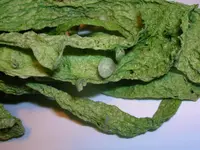
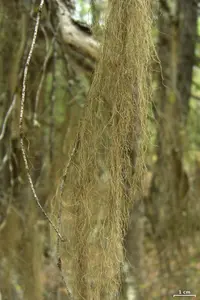
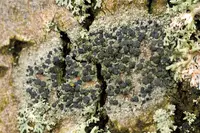
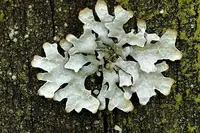
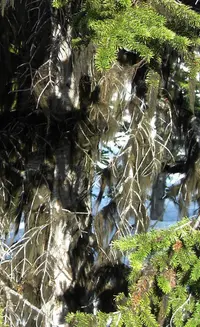
Cartilage lichen, Ramalina fastigiata, is a fruticose lichen that grows as many narrow, strap-like branches with a firm, cartilage-like texture. It usually appears pale green to yellowish and often hangs or fans out from tree bark or rocks.

This species is common in temperate regions of Europe and parts of North America, where air quality is reasonably good. It absorbs water and nutrients directly from rain and air, so it is sensitive to pollution and drying winds.

Because it does not have true roots and depends on clean, humid air, it is not as straightforward to care for cartilage lichen as typical houseplants. It generally prefers bright, indirect light and gentle, intermittent moisture on a stable, rough surface.

Main Plant Requirements

Care Difficulty

Hard Care

Light Preference

Partial Shade

Water Requirements

Low Water

Temperature Preference

Cool Climate

Hardiness Zone

5–9

Soil Texture

Rocky, Sandy

Soil pH

Acidic (5.5–6.5)

Soil Drainage

Well-drained

Fertilization

Minimal (feed rarely)

Get Personalized Care Plan

Scan your plant to receive care tips personalized for your specific plant

Available on iOS and Android

How to Care for the cartilage lichen

This epiphytic lichen prefers cool, bright conditions that mimic open woodland or coastal sites.

  • Provide bright, indirect light or gentle morning sun for about 3–5 hours per day, avoiding harsh midday exposure on hot, exposed sites.
  • Cartilage lichen tolerates light dappled shade, but dense shade for long periods reduces growth and can cause thinning or loss of color.
  • In summer, shield from intense afternoon sun that dries surfaces rapidly, while in winter allow more open exposure so it receives maximum safe daylight.

Ramalina fastigiata relies on moisture from rain, fog, and humid air rather than steady root watering.

  • Allow the substrate or host surface to dry completely before any misting; surfaces should feel dry, not damp, to limit rot and algae growth.
  • During cool, humid seasons, rely mostly on natural rainfall or ambient moisture, adding only light misting after dry, windy spells.
  • In warm, dry weather, light mist 1–3 times per week as needed; pale, brittle lobes suggest dehydration, while dark, mushy tissue indicates overwatering.

This lichen is adapted to cool to mild climates with moderate seasonal variation.

  • Optimal growth occurs around 45–70°F (7–21°C), where moisture from rain and fog lingers without intense heat stress.
  • It tolerates brief drops near 20°F (-6°C) once established, but prolonged hard frost combined with drying winds can damage exposed colonies.
  • Sustained temperatures above 85°F (29°C) with low humidity cause desiccation, so provide shade and increased ambient moisture during hot, dry periods.

This lichen relies on ambient moisture and needs consistently humid air to stay active and hydrated.

  • Aim for 60–90% humidity, typical of coastal or foggy areas, since prolonged air below 40% quickly dries the thallus.
  • Dry, heated indoor air causes crisp, brittle branches and fading color, indicating humidity stress.
  • Increase humidity by placing it outdoors in misty, shaded locations or near regularly watered, evaporating surfaces rather than using direct misting.

Ramalina fastigiata is not grown in conventional soil but can be supported on inert, highly aerated substrates when cultivated artificially.

  • Use a very open, rocky or bark-based substrate (crushed lava rock, coarse bark, a little sand) to mimic bark or rock surfaces and prevent waterlogging.
  • Ensure extremely sharp drainage by using shallow trays with many holes so water passes through within seconds, leaving the thallus mostly exposed to air.
  • Keep the support slightly acidic to neutral (about pH 5.0–7.0), avoiding limed mixes, potting composts, or peat-heavy blends that retain water and organic nutrients.
  • Avoid dense, organic-rich, or continuously damp media, which encourage competing mosses, algae, and fungi that can smother the lichen.

This species is only marginally suitable for container culture and is best treated as a mounted or display specimen rather than a rooted container plant.

  • Use wide, shallow, heavy trays or dishes to stabilize the light, brittle thalli and prevent wind displacement outdoors.
  • Place the lichen on raised stones or bark pieces above the container base so runoff drains away while air circulates freely underneath.
  • Choose unglazed clay or other porous materials to keep the substrate surface fast-drying, reducing prolonged wet contact with the thallus.

Ramalina fastigiata is a nutrient-efficient lichen that usually does not need additional fertilizer when attached to healthy bark or rock in clean air.

Ramalina fastigiata needs only minimal intervention, since pruning is mainly for safety or appearance rather than plant health.

  • Carry out any trimming in dry weather so the lichen surfaces stay intact and less prone to mechanical damage.
  • Gently remove only dead, badly damaged, or heavily polluted sections, leaving firmly attached, healthy tufts in place.
  • Use clean fingers or soft, blunt-tipped scissors; avoid tearing the thallus away from the substrate bark or rock.
  • Light thinning can improve air movement and reduce shading on underlying bark, helping maintain a balanced colony structure.

This lichen is not suited to typical pot culture, so management focuses on careful relocation rather than true repotting.

  • Consider transplanting only if the host surface will be removed, heavily pruned, or destroyed, since Ramalina fastigiata prefers stable, long-term sites.
  • Move small pieces during cool, moist seasons, when humidity is higher and desiccation stress is lower.
  • Press fragments gently onto similar bark or rock using soft ties or mesh, avoiding smothering or complete wrapping.
  • Keep the new site shaded from intense sun and drying wind for several weeks to lower moisture loss and attachment stress.

Propagation is slow and specialized, usually left to natural dispersal of small fragments or reproductive structures.

This species is naturally cold hardy across much of its range and generally needs no special winter care.

Care Tips

Mounting surfaces

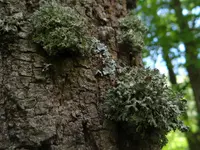
Attach thalli to rough, untreated branches, bark, or natural cork using soft biodegradable ties so they can grip and spread without being smothered or damaged.

Airflow management

Place mounted pieces in a location with steady, gentle air movement and rotate mounts every few weeks to prevent stagnant pockets that encourage mold or algal overgrowth.

Pollution avoidance

Keep this lichen far from busy roads, fireplaces, and smoke or aerosol sources, since airborne pollutants can accumulate on the thallus and gradually kill the symbiosis.

Rain and rinse routine

If grown under cover, periodically mist or gently hose the lichen with low-pressure, chlorine-free water to mimic natural rain that washes away dust and excess nutrients.

Subtle nutrition control

Avoid situating mounts directly under fertilized ornamental plants or in heavy bird-perching zones, because nutrient-rich drip and droppings can burn tissues and favor competing algae when growing cartilage lichen.

Common Pests and Diseases

Sulfur dioxide damage

Symptoms include bleaching, browning, or shriveling of thalli on sides of trees facing industrial areas or busy roads. This damage reflects the high sensitivity of Ramalina fastigiata to airborne sulfur compounds.

Solution

Reduce exposure by avoiding collection or placement of this lichen near coal combustion sources, heavy traffic, or industrial stacks, and relocate any cultivated material to cleaner air. Damaged parts will not recover, so focus on preventing further exposure and allowing new, healthy growth to develop in a low-pollution environment as part of careful Ramalina fastigiata care.

Nitrogen pollution stress

Symptoms include unusually fast, coarse growth with loss of fine branching, discoloration toward yellowish green, and local dieback where exposed to ammonia or nitrate-rich air. This stress commonly occurs downwind of livestock facilities, fertilized fields, or urban areas with high nitrogen emissions.

Solution

Limit exposure to agricultural ammonia and urban nitrogen oxides by situating collected thalli on substrates in cleaner, less polluted air and away from fertilized lawns or barns. Remove heavily deformed or necrotic sections and allow recolonization from healthier fragments under more stable, low-nitrogen conditions.

Lichenicolous fungi

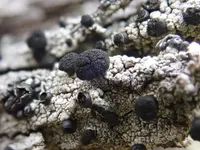
This disease is caused by specialized fungi that infect the lichen thallus, producing dark spots, pustules, or local disintegration of lobes. Symptoms include scattered black or brown dots, small swellings, or areas where the lichen surface becomes rough and brittle.

Solution

Gently remove and discard heavily infected portions of the lichen with clean tweezers, taking care not to crush surrounding healthy tissue. Improve air circulation and avoid prolonged wetting, since persistently damp, stagnant conditions favor fungal development on Ramalina thalli.

Mite grazing

This pest causes fine pitting, tiny bite marks, or surface roughening on the lichen lobes, sometimes with small areas of thinning or frass-like specks. These arthropods usually hide in crevices of the substrate or within dense clusters of thalli.

Solution

Rinse affected lichen gently with clean, lukewarm water to dislodge mites, then allow it to dry thoroughly in a well-ventilated, shaded location. If kept in a terrarium or display case, reduce overcrowding, remove debris where mites hide, and avoid constantly high humidity that encourages their buildup.

Snail and slug grazing

Symptoms include larger, irregular chew marks, missing lobe tips, and smooth-edged holes, often accompanied by slime trails on bark or nearby surfaces. Damage tends to appear after wet periods or in shaded, moist display setups.

Solution

Hand-pick snails and slugs during damp evening or early morning periods and create physical barriers such as copper tape or coarse grit around display bases if kept outdoors or in cold frames. Reduce persistent surface moisture, remove leaf litter near the host substrate, and elevate mounted branches or bark pieces so grazers have less access to the lichen.

Interesting Facts

Nitrogen-fixing partnership

This lichen forms a symbiosis where the cyanobacterium Nostoc in its thallus can fix atmospheric nitrogen, enriching nutrient-poor bark and contributing to local nutrient cycles.

Air quality indicator

It is sensitive to sulfur dioxide and other airborne pollutants and tends to disappear from urban or industrial areas, so its presence is often used as a bioindicator of cleaner air.

Branched strap-like form

Its thallus forms pale greenish, flattened, strap-like branches with finely divided tips, a growth form that increases surface area for photosynthesis and gas exchange in humid, well-lit habitats.

Botan icon

Did you know?

In parts of temperate Europe, changes in the abundance and health of this species on old trees have been tracked for decades in long-term ecological monitoring programs to document shifts in regional air pollution and climate patterns.

FAQs about cartilage lichen

Growth is usually slow. Under clean air and stable moisture, thalli may extend only a few millimeters per year. Environmental quality, host bark condition, and air humidity strongly influence growth rate and overall thallus density over time.

Grow Healthy Plants with Botan Care

Keep your plants happy and healthy with plant identification, disease detection, and easy care guidance.

Botan plant care app — identify plants on mobile

Explore More Plants