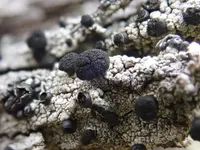
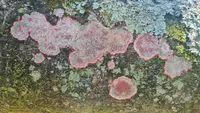
cartilage lichen Care (Ramalina fraxinea)

cartilage lichen

About cartilage lichen

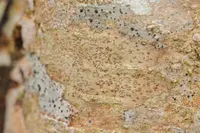
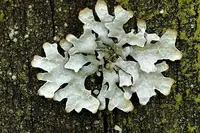
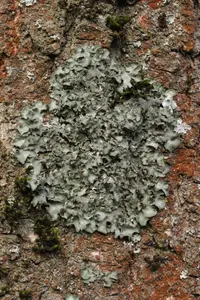
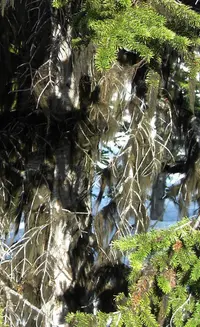
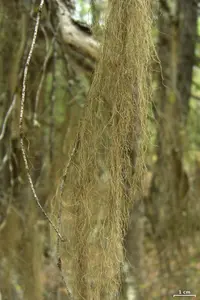
Cartilage lichen, Ramalina fraxinea, is a foliose lichen that forms long, strap-like, pale green thalli that hang or drape from bark and branches. It has a firm, somewhat leathery texture, which gives rise to the common name cartilage lichen.

This species typically occurs in clean-air environments on trees in temperate regions, especially in parts of Europe, and is sensitive to air pollution. In cultivation, it can be challenging because it depends on stable humidity, good air movement, and access to natural light, rather than soil. Anyone wanting to learn how to care for cartilage lichen should focus on replicating its cool, moist, well-ventilated natural habitat as closely as possible.

Main Plant Requirements

Care Difficulty

Hard Care

Light Preference

Partial Shade

Water Requirements

Low Water

Temperature Preference

Cool Climate

Hardiness Zone

5–8

Soil Texture

Rocky, Sandy, Loamy

Soil pH

Acidic (5.5–6.5), Slightly acidic (6.5–7.0)

Soil Drainage

Well-drained

Fertilization

Minimal (feed rarely)

Get Personalized Care Plan

Scan your plant to receive care tips personalized for your specific plant

Available on iOS and Android

How to Care for the cartilage lichen

Ramalina fraxinea thrives in bright, indirect outdoor light that mimics open woodland or tree-canopy conditions.

  • Provide dappled or filtered light for 4–8 hours/day, such as on tree branches or rough bark receiving morning sun and light afternoon shade.
  • Avoid intense, direct midday sun, which can scorch and desiccate the thallus; slight browning or brittleness signals excess exposure.
  • In shaded sites with less than 3–4 hours of bright light, growth slows and branches elongate abnormally, so adjust by moving to a slightly more exposed position when possible.

This lichen absorbs moisture from rain, fog, and humidity rather than from roots in soil.

  • Allow natural wet–dry cycles; the thallus should rehydrate with rain or mist, then dry fully between events to reduce rot and algal overgrowth.
  • If monitoring Ramalina fraxinea in a garden or on collected branches, mist lightly when conditions are very dry for several days, especially in warm, windy weather.
  • Signs of excess moisture include persistent softness, dark green patches, and surface slime; extreme dryness shows as very brittle, easily snapping branches.

This species tolerates a wide temperature range but performs best in cool to mild conditions.

  • Optimal growth generally occurs around 40–70°F (4–21°C), especially in moist, humid air with regular fog or rainfall.
  • The lichen survives brief drops near 14°F (-10°C), but repeated hard frost with drying winds can cause bleaching and breakage of branches.
  • Heat above 86°F (30°C), especially when air is very dry, slows metabolism; protect from hot, exposed rock or metal surfaces that overheat in full sun.

This lichen needs consistently high ambient humidity to remain hydrated and photosynthetically active.

  • Aim for 70–100% humidity; it declines quickly in heated, dry indoor air below about 50%.
  • Dry, crisp fronds, fading color, and poor flexibility indicate humidity stress and desiccation damage.
  • Increase moisture around cartilage lichen with frequent fine misting, closed terrarium-style setups, or placement above a water tray without direct submersion.

Ramalina fraxinea is not a soil-growing plant and normally anchors to bark or rock, so any artificial substrate only serves as a support surface.

  • Use an inert, very well-drained base such as coarse bark, pumice, or lava rock, avoiding dense or water-retentive mixes.
  • Keep the support surface open and airy so air can circulate freely around the thallus and dry quickly after misting.
  • If a pH reference is needed, choose neutral to slightly acidic materials (around pH 5.5–7) and avoid alkaline concrete dust or fresh mortar.
  • Do not bury the lichen or press it into damp media; simply rest or lightly tie it on the surface so holdfasts can attach naturally over time.

This species is only marginally suitable for container display and must be treated as an epiphytic or mounted lichen rather than a rooted plant.

  • Choose shallow, wide containers or slabs that allow the lichen to spread horizontally without trapping moisture around the base.
  • Elevate or angle the mount so water drains off quickly instead of pooling beneath the thalli.
  • Use a very lightweight pot or hanging mount and secure it firmly, since dry thalli are brittle and can break if the setup swings or tips.

Ramalina fraxinea is a lichen that gains nutrients from rain, dust, and its substrate, so added fertilizer is generally unnecessary and can be harmful.

Pruning Ramalina fraxinea is rarely needed and mainly serves hygiene and safety rather than shaping.

  • Limit work to removing clearly dead, heavily damaged, or loose thalli that may fall or trap moisture.
  • Carry out any cleaning in dry weather, when the lichen is less fragile and easier to inspect.
  • Use clean, sharp scissors or hand pruners to cut only affected sections, avoiding tearing the attachment points.
  • Avoid heavy thinning, which can reduce the population on the host tree and alter its natural growth pattern.

This lichen is almost never grown in pots; transplanting is delicate and often unsuccessful.

  • Attempt transplanting only when a host branch is being removed or tree work is unavoidable.
  • Choose cool, moist seasons, such as early spring or fall, to reduce desiccation stress after relocation.
  • Move small bark pieces or twigs already bearing thalli instead of peeling the lichen off its substrate.
  • Secure the donor bark onto a similar host with biodegradable ties and keep the site humid while the lichen re-establishes.

Intentional propagation of cartilage lichen is specialized work and not recommended for routine home culture.

Ramalina fraxinea is naturally cold hardy in temperate climates and usually needs no special winter care.

Care Tips

Select clean substrate

Attach thalli only to untreated, bark-rich twigs or branches that have not been sprayed with fungicides or pesticides in the last year to avoid chemical residues that can slowly kill the lichen.

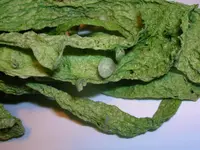
Mimic airflow patterns

Mount pieces loosely on open, airy supports such as branched twigs or mesh so that natural breezes or a low fan can move around all sides, which helps prevent moisture stagnation and decay.

Rainwater dipping routine

Every few weeks, briefly dip the mounted lichen in clean rainwater or low‑mineral distilled water, then let it drain and dry fully, which helps remove dust and airborne pollutants from the surface.

Rotate outdoor exposure

If grown outdoors in different microclimates, rotate mounts between slightly shadier and more exposed positions across seasons to maintain compact, firm growth and avoid long, weak, overextended lobes.

Pollution risk checking

Avoid collecting or placing lichen within 50–100 m of busy roads, chimneys, or industrial areas, since growing cartilage lichen in polluted air often leads to bleaching, stunted growth, or gradual dieback.

Common Pests and Diseases

Sulfur dioxide damage

Symptoms include bleaching, whitening, or necrotic spotting on exposed lichen lobes, especially on the windward side of branches. This damage often appears in areas with industrial emissions or heavy traffic pollution.

Solution

Reduce exposure by avoiding collection or attempted cultivation near busy roads or industrial zones, and ensure any host branches kept outdoors are placed upwind from pollution sources. If damage is localised, relocate the host substrate to cleaner air and avoid additional stress such as prolonged drying or direct heat, as recovery depends on improved air quality rather than chemical treatment.

Nitrogen pollution stress

Symptoms include loss of the typical pale green color, thinning of lobes, and gradual dieback in areas with high ammonia or nitrate deposition from agriculture or traffic. This stress often results in reduced growth and fragmentation of the thallus over time.

Solution

Limit exposure by positioning host branches away from fertilized fields, manure storage, or heavily trafficked roads, and avoid using nitrogen-rich fertilizers near the lichen. If possible, move affected material to a cleaner-air site and maintain moderate humidity and good airflow to support slow recovery, as there is no direct chemical cure for this issue.

Fungal overgrowth

This disease appears as dark, sometimes sooty or patchy fungal colonies growing over the lichen surface, leading to local discoloration and reduced photosynthesis. Heavily colonized areas may become brittle and detach.

Solution

Gently remove heavily overgrown or clearly dead parts with clean scissors, taking care not to crush healthy lobes. Improve light exposure, airflow, and humidity balance around the host branches and avoid persistent surface wetness, since a drier, well-ventilated environment discourages secondary fungal colonizers without the need for fungicides.

Lichenicolous fungi

Symptoms include localized swellings, deformities, or discolored spots where specialized fungi infect the lichen tissue. Over time, these infections can distort lobes and reduce growth in affected patches.

Solution

Physically remove and discard strongly deformed or heavily infected segments using sterile tools, leaving only firm, normal-looking tissue. Maintain the lichen in stable, clean-air conditions with moderate humidity to reduce additional stress, since targeted fungicide use is not recommended for sensitive Ramalina fraxinea care and may damage the symbiosis.

Grazing by mites and small invertebrates

This pest pressure shows as tiny pits, frayed lobe edges, and fine surface grazing, sometimes accompanied by small droppings or silk-like threads. Damage is usually patchy but can weaken fine branches over time.

Solution

Inspect the thallus and host branches with a magnifying lens and gently dislodge small grazers by rinsing with clean, room-temperature water or by lightly brushing with a soft, dry brush. Reduce shelter sites by shaking out loose debris from bark, avoid overfeeding birds or insects nearby that might concentrate grazers, and keep the lichen in a well-ventilated, not overly humid location to limit mite build-up.

Interesting Facts

Nitrogen-sensitive indicator

This lichen is highly sensitive to nitrogen-rich air pollution and fertilizer drift, so its presence in a landscape often indicates relatively clean, low-nitrogen air and low industrial impact.

Distinctive strap-like thallus

It forms long, flattened, strap-like branches with finely ridged margins and scattered disc-shaped fruiting bodies, a morphology that helps distinguish it from many other pale green fruticose lichens.

Preference for mature trees

It most often colonizes the trunks and larger branches of mature ash and other broadleaved trees, relying on stable bark chemistry and long, undisturbed bark surfaces to maintain its large, cascading colonies.

Botan icon

Did you know?

In several European regions this species has declined so strongly from air pollution and habitat changes that it is now red-listed or considered regionally rare, and its remaining large, draping colonies are sometimes used as reference examples in conservation training for epiphytic lichens.

FAQs about cartilage lichen

Growth is slow. Thalli often extend only a few millimeters per year, sometimes up to 5–10 mm in favorable, unpolluted, humid sites. Age and size usually reflect many years of undisturbed growth on the same host surface.

Grow Healthy Plants with Botan Care

Keep your plants happy and healthy with plant identification, disease detection, and easy care guidance.

Botan plant care app — identify plants on mobile

Explore More Plants