horsehair lichen Care (Bryoria fuscescens)

Also known as: Pale-footed Horsehair Lichen, Resplendent Horsehair Lichen, Gray Horsehair Lichen, Boreal Horsehair Lichen, Brittle Horsehair Lichen
horsehair lichen

About horsehair lichen

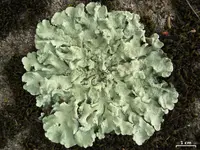
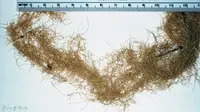
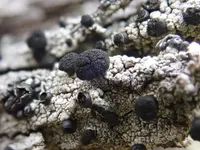
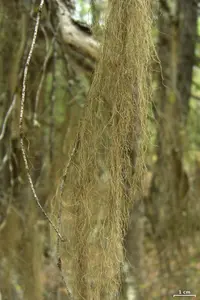
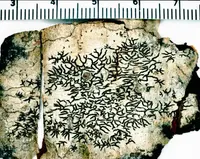
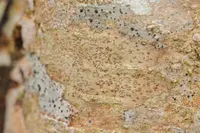
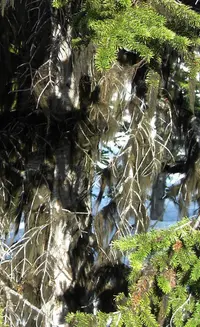
Horsehair lichen, Bryoria fuscescens, is a fruticose lichen, not a true plant, formed by a partnership between a fungus and photosynthetic algae. It usually hangs from tree branches in long, fine, hair-like strands that range from gray-brown to dark brown. This species is common in cool, clean forest environments across boreal and temperate regions, especially in northern North America and Europe. It is sensitive to air pollution and drying, which makes it challenging to keep alive away from its natural habitat. For those interested in how to care for horsehair lichen, it generally prefers bright, indirect light, good air movement, and frequent access to clean moisture on bark or other natural surfaces.

Main Plant Requirements

Care Difficulty

Hard Care

Light Preference

Partial Shade

Water Requirements

Low Water

Temperature Preference

Cold Hardy

Hardiness Zone

2–7

Soil Texture

Rocky, Sandy, Organic-rich

Soil pH

Strongly acidic (4.5–5.5)

Soil Drainage

Well-drained

Fertilization

Minimal (feed rarely)

Get Personalized Care Plan

Scan your plant to receive care tips personalized for your specific plant

Available on iOS and Android

How to Care for the horsehair lichen

Bryoria fuscescens is adapted to cool, bright, open habitats with diffuse natural light rather than strong direct sun.

  • Aim for bright, indirect light or very light shade, with at most 1–3 hours of gentle morning sun and no harsh afternoon sun to prevent desiccation and bleaching.
  • In forests, horsehair lichen thrives on branches that receive scattered skylight; dense shade slows growth, while fully exposed sites often cause drying and dieback.
  • Seasonally, increased summer sun requires more air humidity or sheltering from direct rays, while low winter sun is usually safe when temperatures stay cool and air remains moist.

Bryoria fuscescens absorbs moisture from rain, fog, and humid air rather than from soil.

  • In natural settings, rely on natural rainfall and fog; the thallus should cycle between fully hydrated and dry, not stay constantly wet for many days.
  • If handling collected material, lightly mist when it feels crisp and brittle, then allow it to dry completely before the next misting to limit rot and algae growth.
  • Signs of prolonged dryness include very brittle, fragmenting strands, while persistent sogginess or green, slimy patches indicate excessive moisture and poor air movement.

This lichen tolerates a wide temperature range but performs best in cool to moderately cool conditions with high humidity.

  • Optimal growth occurs roughly around 40–65°F (4–18°C), where evaporation is slower and moisture from fog or rain remains available on the thallus.
  • It withstands cold down to at least 5–15°F (-15 to -9°C) when naturally acclimated, becoming metabolically inactive but resuming growth once temperatures rise.
  • Heat above about 80–85°F (27–29°C), especially in full sun, increases desiccation stress, so shaded, humid, and well-ventilated sites are important during hot periods.

This lichen relies on consistently moist air and periodic drying cycles rather than root-zone moisture.

  • Aim for ambient humidity around 60–90% with frequent natural misting from fog, rain, or fine spray.
  • Horsehair lichen tolerates short dry spells but becomes brittle, pale, and less flexible if humidity stays low.
  • Curling, crisp texture, and slow recovery after wetting indicate humidity stress and possible tissue dieback.
  • Increase humidity outdoors by positioning near regularly damp, shaded trees or rock faces that retain moisture.

Bryoria fuscescens does not use traditional soil and instead anchors loosely to bark or rock surfaces.

  • Provide a base of coarse, inert material such as bark chips, lava rock, or large-grain sand to mimic natural substrates.
  • Ensure the support surface drains and dries quickly after misting so the lichen does not stay waterlogged for more than a few hours.
  • Aim for a slightly acidic environment (around pH 5.0–6.0) by avoiding alkaline dusts, lime, or concrete contact.
  • Improve aeration by keeping the lichen elevated on an open mesh, branch, or rock so air can move freely around all sides.

This species is not a true container plant but can be displayed in open, very free-draining holders that mimic exposed bark or rock.

  • Use shallow, wide baskets or mesh frames so the thalli can drape freely without packing into dense, airless mats.
  • Secure the lichen lightly to branches or rocks placed in the container, leaving gaps that allow airflow and quick surface drying.
  • Choose rigid, wind-stable containers or mounts because repeated movement or flexing can damage the delicate attachment points.

Bryoria fuscescens obtains nutrients from rain, dust, and air, so it does not require added fertilizer in normal conditions.

Pruning Bryoria fuscescens is minimal and mainly done to manage appearance or remove compromised strands.

  • Carry out light trimming at any time, ideally during dry weather to reduce damage to the thallus surface.
  • Remove only dead, broken, or heavily polluted strands, leaving healthy, elastic segments intact.
  • Use clean, sharp scissors to cut rather than pull, which prevents tearing and detachment from the substrate.
  • Limit shaping to gentle thinning so natural form and surface area for photosynthesis remain adequate.

This lichen is usually grown on bark or branches, so care focuses on gentle transplanting rather than classic repotting.

  • Transplant only when the substrate is decaying, contaminated, or no longer stable, not on a fixed schedule.
  • Best timing is cool, moist weather in spring or fall, which limits desiccation stress.
  • Lift clumps carefully with attached bark, then tie or rest them on similar, chemical-free host branches.
  • Keep the new site humid and shaded for several weeks so attachment structures can re-anchor securely.

Bryoria fuscescens is propagated mainly by fragmenting and relocating small pieces of existing lichen rather than from spores at home.

  • Take small, healthy fragments during cool, moist spring or fall conditions to reduce drying.
  • Place fragments loosely on rough, untreated bark where airflow is good and light is bright but indirect.
  • Avoid glues or sealants; instead, use soft, biodegradable ties or wedge fragments into natural crevices.
  • Maintain high ambient humidity and clean air, since establishment depends on slow, surface-level attachment.

Bryoria fuscescens is naturally cold hardy and needs no special winter care in outdoor climates within its range.

  • Tolerates freezing and snow, remaining dormant during extreme cold and reactivating during milder, moist periods.
  • Avoid de-icing salts and road spray, which can damage tissue over winter.
  • For mounted pieces in very exposed sites, move to a sheltered but unheated, bright outdoor location to limit wind desiccation.

Care Tips

Select Safe Substrates

Attach the lichen only to inert, untreated materials such as aged bark, natural cork, or bare branches, avoiding fresh resinous wood, paint, or metal surfaces that can leach compounds and damage the thallus over time.

Prioritize Clean Air

Keep specimens outdoors or in very well-ventilated areas away from roads, fireplaces, or cigarette smoke, since horsehair lichen is highly sensitive to air pollutants and can decline quickly in contaminated environments.

Handle With Minimal Contact

Move and mount clumps by gently holding thicker strands or the base, avoiding repeated squeezing or pulling, because mechanical damage to the fine branches slows recovery and can reduce long-term vitality.

Use Passive Misting Zones

Place the lichen in locations that receive fine overspray from a hose, sprinkler, or nearby plant misting rather than direct heavy wetting, which helps maintain hydration cycles similar to natural fog and light rain.

Seasonal Moisture Adjustment

In very dry, cold, or heated indoor air, slightly increase exposure to humidity sources such as open windows on damp days or trays of water nearby, then reduce added moisture during prolonged cool, wet weather to prevent prolonged saturation when caring for horsehair lichen.

Common Pests and Diseases

Sulfur dioxide damage

Symptoms include bleaching, browning, and eventual death of lichen strands on branches exposed to polluted air. This damage is often most severe near roads, industrial sites, or coal-burning facilities.

Solution

Reduce or avoid collecting or placing horsehair lichen in areas with high air pollution, especially near heavy traffic or industrial emissions. For decorative or educational displays, source material from clean-air locations and keep it in well-ventilated, low-pollution environments to slow further decline.

Nitrogen deposition stress

This disease-like stress is caused by chronic exposure to elevated nitrogen from agricultural fertilizers, vehicle exhaust, or animal operations, leading to thinning, discoloration, and loss of whole tufts. Growth weakens over time and the lichen may disappear from affected branches.

Solution

Avoid situating collected material or attempting growing horsehair lichen close to feedlots, intensively fertilized fields, or busy highways. Select cleaner, low-nitrogen sites for any outdoor placement and do not apply fertilizers or nutrient sprays to the supporting bark or substrate.

Desiccation damage

This physiological stress occurs when lichen strands remain dry for prolonged periods, becoming brittle, pale, and easily fragmented. Symptoms include breakage and loss of flexibility, especially on sun-exposed, wind-exposed branches.

Solution

Place the lichen where it receives intermittent moisture from clean rain, fog, or very gentle misting with non-chlorinated water, while still drying between wettings. Avoid hot, exposed, or indoor locations with forced-air heating; provide partial shade and shelter from strong, drying winds to maintain a more humid boundary layer around the thalli.

Soot and dust coating

This problem arises when airborne dust, soot, or ash settles on the lichen surface, blocking light and gas exchange and causing dull, grayish or blackened strands. Over time the coated tissue weakens and may die back, especially in urban or roadside settings.

Solution

Whenever possible, relocate affected material to a cleaner site away from the pollution source. For decorative pieces, very gently rinse with soft, clean water and allow to air-dry in shade, taking care not to rub or crush the delicate strands.

Grazing by snails and slugs

These animals may feed on soft lichen tissue in persistently moist, shaded habitats, leaving ragged edges and irregular gaps in the tufts. Damage is usually localized but can thin small colonies over time.

Solution

Hand-remove snails and slugs from branches or substrates supporting the lichen and reduce nearby hiding spots such as dense ground litter or boards. If needed, use physical barriers like copper tape on display structures and avoid metaldehyde baits directly on or above the lichen to prevent contamination.

Interesting Facts

Complex lichen partnership

Bryoria fuscescens is a fruticose lichen formed by a symbiosis between a filamentous fungus and a green alga, creating hair-like, hanging strands that can reach several decimeters in length in clean, undisturbed forests.

Air quality indicator

This species is highly sensitive to sulfur dioxide and some heavy metals, so its presence in abundance often indicates relatively unpolluted air and low industrial impact in coniferous forest habitats.

Moose winter forage

In parts of northern Europe, B. fuscescens contributes to the winter diet of moose and reindeer, which browse its hanging tufts from spruce and pine branches when other vegetation is buried under snow.

Botan icon

Did you know?

Research has shown that Bryoria fuscescens can accumulate radioactive isotopes such as cesium from atmospheric fallout, making it useful as a bioindicator in environmental monitoring after nuclear incidents.

FAQs about horsehair lichen

This species grows very slowly, often only a few millimeters per year. Growth rate depends on clean air, consistent humidity, and stable temperatures. Pollution, drying winds, and physical disturbance can slow or stop new branch extension completely.

Grow Healthy Plants with Botan Care

Keep your plants happy and healthy with plant identification, disease detection, and easy care guidance.

Botan plant care app — identify plants on mobile

Explore More Plants