Christmas lichen Care (Herpothallon rubrocinctum)

Also known as: Red blanket lichen
Christmas lichen

About Christmas lichen

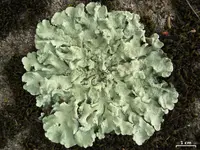
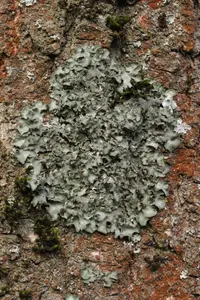
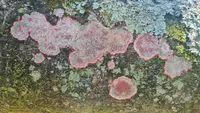
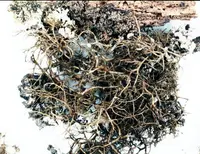
Christmas lichen, Herpothallon rubrocinctum, is a crustose lichen, not a true plant, formed by a partnership between a fungus and photosynthetic algae. It forms flat, spreading patches with a distinctive bright red margin that contrasts with a paler central area.

This species naturally occurs in tropical and subtropical regions, often on tree bark or rocks in humid forests. It is slow growing and sensitive to air pollution and long dry periods, which makes it challenging to maintain in typical home settings.

Those who try to care for Christmas lichen usually need cool to mild temperatures, stable moisture, and gentle, indirect light to mimic its sheltered natural habitats.

Main Plant Requirements

Care Difficulty

Hard Care

Light Preference

Partial Shade

Water Requirements

Moderate Water

Temperature Preference

Warm Climate

Hardiness Zone

Unknown

Soil Texture

Rocky, Organic-rich

Soil pH

Acidic (5.5–6.5)

Soil Drainage

Well-drained

Fertilization

Minimal (feed rarely)

Get Personalized Care Plan

Scan your plant to receive care tips personalized for your specific plant

Available on iOS and Android

How to Care for the Christmas lichen

This crustose lichen prefers stable, gentle light rather than intense direct sun.

  • Provide 3–5 hours of soft morning sun with bright, dappled shade the rest of the day, similar to light on a shaded tree trunk.
  • Avoid harsh midday and afternoon sun, which can scorch the thallus and bleach Christmas lichen coloration, especially in exposed, dry sites.
  • In dense shade, growth slows and color dulls; choose spots with shifting canopy light, and reassess exposure seasonally as tree leaves emerge or fall.

This lichen absorbs water directly over its surface and is very sensitive to prolonged saturation.

  • In natural or outdoor settings, focus on excellent drainage; avoid hollows where water stands for more than 1–2 hours after rain.
  • If misting Herpothallon rubrocinctum on mounted bark or rock, allow the surface to dry fully between sessions so it feels dry, not slimy or continuously wet.
  • Signs of excess moisture include soft, disintegrating patches and algae growth; shriveled, brittle edges indicate extended dryness and the need for more frequent brief wetting.

This subtropical lichen prefers mild, frost‑free conditions with stable temperatures.

  • Aim for 60–80°F (16–27°C) for best growth, with moderate humidity and some air movement to prevent overheating on sunlit substrates.
  • Short dips to 40–45°F (4–7°C) are usually tolerated, but repeated frosts or freezes below 32°F (0°C) can kill or detach the thallus.
  • During hot periods above 86°F (30°C), increased shade and humidity help limit thermal stress and desiccation, especially on exposed rock or bark surfaces.

This crustose lichen prefers consistently moist air but copes with a moderate humidity range if surfaces do not dry out completely.

  • Aim for 60–90% humidity, mimicking damp bark or rock surfaces in shaded, sheltered spots.
  • In very dry air, margins fade or crack and the thallus shrinks tightly against the substrate.
  • Increase humidity by positioning near consistently damp, non-waterlogged substrates or in a sheltered, misty microclimate rather than direct spraying.

Herpothallon rubrocinctum does not root in soil but benefits from carefully chosen mounting surfaces and surrounding conditions.

  • Mount on rough, non-toxic bark, rock, or inert substrates with fine texture that retains surface moisture without staying waterlogged.
  • Keep nearby soil or substrate slightly moist, not saturated, to maintain local humidity without causing standing water around the mounting surface.
  • Avoid nutrient-rich, fertilized potting mixes that promote algae or moss overgrowth, which can smother the lichen surface.
  • Ensure air circulation around the mount so the surface dries gently between wetting events, reducing rot and contaminant growth.

This species can be associated with containers indirectly by placing its mounted substrate within or attached to pots for stable display.

  • Use heavy or wide-bottomed containers to prevent tipping when the mounted surface (bark or rock) is tall or uneven.
  • Position the mount above any potting mix level so runoff drains freely and does not pool around the lichen-bearing surface.
  • Select pot materials that match the desired moisture regime, such as unglazed clay to allow faster drying or plastic to retain nearby humidity.

Herpothallon rubrocinctum is a crustose lichen that generally gains nutrients from rain, dust, and its substrate, so it does not need added fertilizer.

Pruning Herpothallon rubrocinctum is limited to light, careful cleaning rather than shaping.

  • Carry out any cleaning at dry times of year to reduce mechanical damage to the thallus surface.
  • Gently remove only clearly dead, damaged, or heavily contaminated patches using soft tweezers or a small brush.
  • Avoid cutting or scraping the bark or substrate, since deep injury can destabilize the lichen community.
  • Disinfect tools before use with alcohol to lower the risk of introducing microorganisms.

This lichen is typically grown on fixed bark or stone, so management focuses on transplanting small fragments rather than repotting.

  • Consider transplanting only if the host branch will be removed or conditions are clearly deteriorating.
  • Best timing is mild, stable weather in spring or early fall, avoiding temperature extremes and prolonged wet heat.
  • Transfer small bark pieces carrying healthy thalli onto a similar, clean substrate using minimal handling.
  • Secure gently with breathable tape or natural fiber ties, keeping surfaces aligned to reduce desiccation stress.

Propagation of Herpothallon rubrocinctum is slow and specialized, so it is rarely attempted by typical home growers.

This lichen is generally cold hardy in its suitable climate range and usually needs no specific winter care beyond stable site conditions.

Care Tips

Substrate selection

Mount the lichen on inert, long-lasting materials like hardwood bark, cork, or unglazed ceramic rather than soft, decaying wood to slow substrate breakdown and support stable colony attachment over time.

Air-circulation planning

Place mounts where moving air can dry surfaces between wettings, such as near but not directly in front of a gentle fan or open vent, to limit mold growth and maintain healthy thallus structure.

Gentle hydration method

Use a fine-mist spray bottle or fogger held at least 20–30 cm away so droplets land as a light fog, reducing mechanical damage to the lichen surface while evenly rehydrating it.

Salts and residue control

Use low-mineral water (rainwater, distilled, or reverse-osmosis) and occasionally rinse the mount thoroughly to prevent salt and dust buildup that can clog surfaces and reduce gas exchange.

Microclimate monitoring

Place a small hygrometer and thermometer close to the mounted colony to track the actual boundary-layer conditions and adjust misting or ventilation as needed when growing Christmas lichen indoors.

Common Pests and Diseases

Air pollution damage

Symptoms include bleaching, loss of color intensity, or necrotic spots on the thallus margin when exposed to vehicle exhaust or industrial fumes. This disease reflects the high sensitivity of Christmas lichen to sulfur dioxide and other airborne pollutants.

Solution

Reduce exposure by keeping collected material away from busy roads, chimneys, or enclosed spaces with smoke or chemical fumes, and maintain good ventilation. If possible, relocate affected specimens to cleaner air and avoid using aerosol sprays, solvents, or strong cleaning agents nearby.

Prolonged desiccation

Symptoms include brittle texture, loss of the vivid red marginal band, and dull, faded thallus color after extended dry, sunny periods. This condition results from repeated drying cycles that exceed the lichen’s natural tolerance.

Solution

Move material to a shaded, humid area with indirect light and mist lightly with clean, chlorine-free water to rehydrate slowly. Avoid direct sun, strong air currents, or positioning near heaters, and allow the lichen to cycle between moist and just-dry conditions rather than staying bone dry for long periods.

Algal overgrowth

This disease appears as a green, slimy film over the lichen surface, often in very damp, low-airflow locations. Symptoms include reduced visibility of the red margin and a soft or slightly mushy texture in heavily colonized areas.

Solution

Improve airflow and reduce constant surface wetness by adjusting placement so the substrate dries between wetting events. Where safe, gently rinse with clean water and lightly brush the surface with a very soft brush to remove excess algae, taking care not to abrade the thallus.

Bark-colonizing mites

This pest causes small pale feeding marks, roughened texture, and a dusty or grainy appearance on the thallus, especially on dry, stressed material. These mites live in crevices of bark and can graze on or around the lichen surface.

Solution

Increase ambient humidity moderately and use a hand lens to inspect bark cracks, then gently wash the affected area with a soft brush and clean water. In severe cases on cultivated display branches, remove and discard the most damaged pieces and, if needed, treat the bare bark (not the lichen directly) with a gentle insecticidal soap, then allow it to weather before introducing new lichen material.

Fungal overinfection

This disease shows as dark spots, tiny bumps, or patches of mold-like growth on the thallus, sometimes with localized softening or decay. It typically develops on damaged or heavily polluted thalli that are repeatedly wet with poor air circulation.

Solution

Physically remove and discard heavily affected sections to prevent spread and maintain overall appearance. Then improve Herpothallon rubrocinctum care by providing cleaner air, better airflow, and moderate intermittent moisture rather than persistent wetness, and avoid applying fungicides directly unless guided by a specialist, as lichens are highly sensitive to chemicals.

Interesting Facts

Bright red prothallus ring

This lichen is easily recognized by its vivid red prothallus, a narrow band of fungal tissue that forms a striking ring around the pale central thallus and sharply outlines its colonies on bark or rock.

Tropical and subtropical range

It occurs mainly in humid tropical and subtropical regions, especially in parts of Asia and the Pacific, where it grows on tree bark and sometimes on rocks in shaded, moist habitats.

Crustose lichen lifestyle

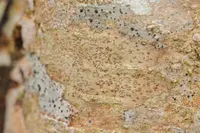
As a crustose lichen, it forms a tightly adhering crust on its substrate, making it impossible to remove without damage to the bark or rock, which is typical of this growth form.

FAQs about Christmas lichen

This crustose lichen spreads slowly over bark or rock by extending its thallus margin, not by runners or roots. It usually forms small, patchy colonies and is not considered aggressive in gardens or natural settings.

Grow Healthy Plants with Botan Care

Keep your plants happy and healthy with plant identification, disease detection, and easy care guidance.

Botan plant care app — identify plants on mobile

Explore More Plants