Pleurosticta acetabulum Care

Pleurosticta acetabulum

About Pleurosticta acetabulum

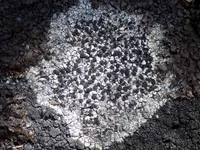
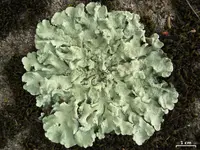
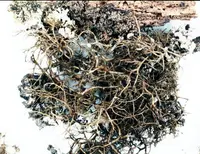
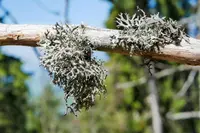
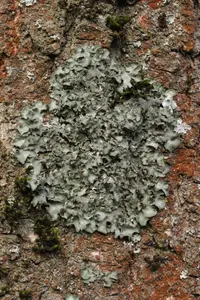
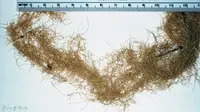
Pleurosticta acetabulum is a foliose lichen rather than a typical leafy plant. It forms gray-green, cup-like lobes that create irregular patches on bark or rock. The thallus, or lichen body, often has a slightly leathery texture and may show darker fruiting discs on the surface.

This species occurs mainly in temperate regions, especially in Europe, in areas with clean, humid air. It grows slowly and relies on stable moisture and low air pollution, which can make it more demanding in urban environments.

In cultivation or research settings, how to care for Pleurosticta acetabulum focuses on providing cool, shaded conditions with consistent humidity and a stable, rough surface for attachment.

Main Plant Requirements

Care Difficulty

Moderate Care

Light Preference

Partial Shade

Water Requirements

Moderate Water

Temperature Preference

Warm Climate

Hardiness Zone

Unknown

Soil Texture

Loamy, Peaty, Organic-rich

Soil pH

Acidic (5.5–6.5)

Soil Drainage

Moist but well-drained

Fertilization

Minimal (feed rarely)

Get Personalized Care Plan

Scan your plant to receive care tips personalized for your specific plant

Available on iOS and Android

How to Care for the Pleurosticta acetabulum

This lichen prefers cool, shaded woodland conditions with only brief indirect sun exposure.

  • Aim for bright shade or dappled light, such as on the north or east side of trees or rocks, with no more than 1–2 hours of weak morning sun.
  • Avoid direct midday or afternoon sun, which can desiccate Pleurosticta acetabulum and bleach the thallus surface.
  • In summer, provide extra shade when surrounding deciduous trees are thin or pruned; in winter, short low-angle sun is usually tolerated if humidity stays high.

Water availability for this lichen is managed through ambient moisture rather than direct soaking.

  • Ensure the substrate (bark, rock, or soil surface) can dry between wetting periods; it should feel only slightly damp, not persistently wet.
  • Use local rainfall, mist, or brief hose spraying, allowing the surface to dry within a few hours to prevent rot or invasion by algae and moss.
  • In hot, dry periods, increase light misting frequency when the thallus curls or looks brittle, but avoid standing water or constantly saturated surfaces.

This species prefers cool, temperate conditions and dislikes both hard frost and intense heat.

  • Aim for an active growth range around 50–70°F (10–21°C), typical of shaded woodland microclimates with moderate humidity.
  • It can usually tolerate brief drops to about 25°F (−4°C), but repeated frost–thaw cycles on exposed sites can damage tissue and reduce vigor.
  • Above 80°F (27°C), protect from direct sun and drying winds; high temperatures combined with low humidity increase desiccation stress and slow recovery.

This lichen prefers consistently moist air rather than dry indoor conditions.

  • Aim for 60–80% humidity, as prolonged levels below 50% cause fraying or pale, crispy thallus edges.
  • In very dry air, watch for shrinking cups and dull coloration as early humidity stress signs.
  • Increase humidity by placing it in a sheltered, humid microclimate outdoors or near damp, shaded stone or bark rather than using direct misting.

Pleurosticta acetabulum anchors to bark or rock and does not need conventional potting soil, but substrate chemistry still matters.

  • Provide a stable, rough surface such as untreated hardwood bark or porous rock with minimal loose organic debris.
  • Favor slightly acidic conditions around pH 5.0–6.5 by avoiding alkaline dusts, lime, or concrete runoff on the substrate.
  • Keep the attachment surface free-draining so water does not pool; brief wetting followed by aeration supports normal lichen physiology.
  • Avoid nutrient-rich composts, fertilizers, or dense organic layers, which encourage competing mosses and algae that can overgrow the lichen.

This species is only loosely suited to container growing when natural bark or rock pieces are placed in a tray or shallow dish.

  • Use a wide, shallow container that allows air to circulate around the mounted bark or rock instead of burying it in any substrate.
  • Raise the mount on small stones or a mesh platform so runoff water can drain away and not soak the lichen base.
  • Choose a heavy, stable container if the mounted piece is tall or uneven so wind or handling does not tip and damage the thallus.

This lichen grows on nutrient-poor bark or rock and does not benefit from added fertilizer in typical cultivation.

Pleurosticta acetabulum does not need true pruning, but minimal grooming helps maintain a clean appearance and reduce disease risk in cultivated specimens.

  • Inspect thalli a few times per year and gently remove dead, decayed, or heavily soiled lobes by hand.
  • Use fine tweezers or small scissors sterilized with alcohol if any precise trimming is necessary.
  • Avoid cutting healthy tissue aggressively, as this can reduce photosynthetic area and slow overall growth.
  • Brush away loose debris, moss, or competing lichens around the colony rather than reshaping it.

This species grows attached to bark or rock, so care focuses on transplanting small colonies rather than classic pot repotting.

  • Transplant only when the substrate is unstable, damaged, or must be replaced, since disturbance slows growth.
  • Best timing is cool, moist weather in spring or autumn to limit desiccation stress.
  • Lift the lichen with its bark or rock intact, moving the whole fragment to a new stable surface.
  • Secure gently with soft ties or mesh, then keep in shaded, humid conditions until firmly reattached.

Propagation of Pleurosticta acetabulum is slow and mainly of interest to specialists rather than casual growers.

  • Most spread occurs by natural fragmentation; attach small thallus pieces to suitable bark or rock in a humid, shaded site.
  • Carry out any propagation in cool, moist periods of spring or autumn to limit drying.
  • Avoid burying fragments; press them lightly to the surface so the lower cortex contacts the substrate.
  • Maintain steady humidity and indirect light for months, as visible expansion is very gradual.

This lichen is broadly cold hardy and usually needs no special winter care in outdoor conditions within its natural climate range.

  • In very exposed sites, avoid scraping or disturbing frozen thalli, since brittle tissue can break.
  • Container-grown host branches or logs can be overwintered in a cold, bright, frost-free shelter if extremes below local norms are expected.
  • Keep air moving but not harshly windy to reduce ice damage while preventing stagnant, dripping conditions.

Care Tips

Substrate anchoring

Attach thallus pieces to rough bark, cork, or rock using breathable cotton thread or soft ties so the lichen stays in stable contact with the surface while it slowly re-anchors itself.

Air movement management

Place the host branch or mount where there is gentle but constant air movement, avoiding sealed terrariums or stagnant corners, as this reduces mold risk and supports normal gas exchange for the lichen.

Mist timing strategy

If you mist, do it in the morning and use a very fine spray so surfaces dry gradually by evening, which reduces fungal problems and better mimics natural dew and light rain patterns.

Pollution and chemical control

Keep the lichen well away from scented candles, aerosol products, smoke, and strong household cleaners, since airborne pollutants and solvents can damage its delicate photosynthetic layer.

Seasonal light adjustment

Shift mounts slightly farther from strong windows in bright summer months and a little closer in winter to keep light levels moderate and stable when growing Pleurosticta acetabulum indoors.

Common Pests and Diseases

Lichenicolous fungi

This disease appears as small dark spots, crusts, or patches that develop on the thallus surface and may distort or locally kill the lichen tissue.

Solution

Remove heavily infected lobes with clean scissors to reduce spread, avoid nutrient enrichment or pollution that stresses the lichen, and maintain good air circulation and stable moisture on the substrate to support recovery of healthy thallus areas.

Lichen-feeding snails

These pests graze the thallus, leaving irregular scraped patches, thinning of the lobes, and sometimes ragged edges on the cups.

Solution

Hand-pick snails in damp periods, reduce nearby hiding places such as dense ground litter or loose stones, and if needed use physical barriers like copper tape or sharp grit around the substrate to limit access while keeping the lichen surface undisturbed.

Mite grazing

These insects cause fine pitting, pale speckling, or slow thinning of the lichen surface, often most visible under magnification or as patchy discoloration.

Solution

Gently rinse the lichen and its substrate with clean, non-chlorinated water to dislodge mites, keep humidity moderate and stable to reduce stress, and avoid dust accumulation by occasionally blowing or lightly brushing around (not directly on) the thallus to discourage mite build-up.

Algal overgrowth

This condition shows as slimy green or dark films on and between lichen lobes, which can shade and weaken the lichen by blocking light from its own algal partner.

Solution

Improve light exposure and airflow by thinning nearby shading vegetation, reduce excess nutrient input such as fertilizer drift or runoff, and if needed gently rinse with clean water to remove loose algal film without rubbing the thallus; consistent low-nutrient, well-lit conditions support balanced Pleurosticta acetabulum care.

Interesting Facts

Cup-shaped thallus lobes

This lichen forms broadly rounded, often shallowly cup-shaped lobes with thickened, slightly upturned margins, giving colonies a distinctive, saucer-like outline on bark or rock surfaces.

Characteristic medulla chemistry

Its internal tissue (medulla) typically contains atranorin and physodic acid, secondary metabolites that help lichenologists identify the species using thin-layer chromatography and may play roles in UV protection and herbivore deterrence.

Preference for mildly acidic bark

It usually grows on mildly acidic tree bark, especially on broadleaf trees in humid, temperate forests, and is often more abundant in relatively clean-air sites, making it of interest in biomonitoring studies of atmospheric pollution.

FAQs about Pleurosticta acetabulum

This lichen is effectively evergreen, as its thallus remains present and photosynthetically active year-round. Color and hydration change with moisture and season, but it does not shed foliage or enter a true dormant leafless phase.

Grow Healthy Plants with Botan Care

Keep your plants happy and healthy with plant identification, disease detection, and easy care guidance.

Botan plant care app — identify plants on mobile

Explore More Plants