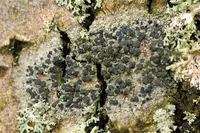
Cumberland rock-shield Care (Xanthoparmelia cumberlandia)

Also known as: Cumberland xanthoparmelia lichen, Questionable Rockfrog
Cumberland rock-shield

About Cumberland rock-shield

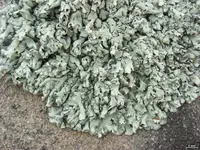
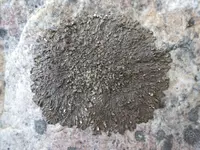
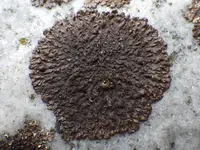
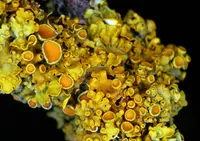
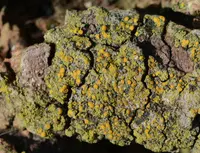
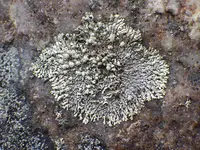
Cumberland rock-shield (Xanthoparmelia cumberlandia) is a foliose lichen, not a traditional leafy plant. It forms flat, overlapping lobes that create crusty mats on exposed rock surfaces. Colors range from gray-green to yellowish, often with a slightly dusty or granular texture.

This lichen is native to North America and is most often found on acidic rocks in open, sunny locations, especially in cooler climates. It grows very slowly and is sensitive to air pollution, which makes it challenging to keep in artificial or urban settings.

Those who attempt to care for Cumberland rock-shield should provide strong light, excellent air circulation, and a stable, cool environment with only occasional moisture on a well-drained, rocky substrate.


Main Plant Requirements

Care Difficulty

Moderate Care

Light Preference

Full Sun

Water Requirements

Low Water

Temperature Preference

Cold Hardy

Hardiness Zone

3–8

Soil Texture

Rocky, Sandy

Soil pH

Acidic (5.5–6.5)

Soil Drainage

Well-drained

Fertilization

Minimal (feed rarely)

Get Personalized Care Plan

Scan your plant to receive care tips personalized for your specific plant

Available on iOS and Android

How to Care for the Cumberland rock-shield

This rock-dwelling lichen prefers bright, open conditions that mimic exposed cliffs and boulders.

  • Provide 4–8 hours of direct sun daily, with a preference for morning sun and high, open light rather than deep shade.
  • Tolerates light partial shade, but prolonged shade leads to dull color and slower growth in Cumberland rock-shield patches.
  • In hot summers, avoid heat-reflecting metal or dark rock surfaces where intense afternoon sun can cause bleaching and desiccation.

Xanthoparmelia cumberlandia is adapted to dry, rocky habitats and must never sit in persistently wet conditions.

  • Allow the substrate to dry completely between wetting events; the lichen should feel crisp and dry before the next brief soak or rain-like misting.
  • During cool, damp seasons, rely mostly on natural rainfall; in warmer, dry periods, hydrate only when thalli look brittle and dull rather than slightly flexible.
  • Signs of overwatering or poor drainage include soft, slimy patches and darkened, rotting edges, while severe curling and fragmenting indicate prolonged drought stress.

This lichen is highly cold-tolerant but still benefits from moderate seasonal temperatures for best growth.

  • Optimal active growth occurs around 45–70°F (7–21°C), especially during cool, moist periods in spring and fall.
  • Tolerates winter lows near 0°F (−18°C) on exposed rock, provided freezing is gradual and the surface is not ice-coated for long periods.
  • In hot weather above 85–95°F (29–35°C), thalli often go dormant; prolonged extreme heat combined with full exposure can cause bleaching and tissue death.

This lichen tolerates a wide humidity range but benefits from moderate ambient moisture.

  • Target 40–60% humidity, similar to many indoor environments, for steady growth of Cumberland rock-shield thalli.
  • Expect it to survive drier air down to about 30% humidity, though growth may slow and edges may appear more brittle.
  • If thalli curl tightly, discolor, or stay dull and shriveled, increase humidity using a nearby pebble tray or grouped plants rather than misting directly.

Xanthoparmelia cumberlandia is a rock-dwelling lichen that requires very fast-draining, mineral-heavy substrates when grown in a garden or simulated habitat.

  • Use a gritty mix such as 60–70% coarse sand or fine gravel with 30–40% crushed lava rock, pumice, or small stone chips to mimic exposed rock surfaces.
  • Keep drainage extremely sharp so water runs through in seconds; any mix that holds standing moisture around the lichen base promotes rot and algae.
  • Aim for slightly acidic to neutral conditions (pH 6.0–7.0) by avoiding liming agents unless local rock is naturally calcareous and you are matching that habitat.
  • Improve aeration by spreading the lichen over uneven rock pieces or shallow gravel beds rather than burying it in organic material, and avoid dense compost or peat-heavy media.

This species can be maintained in shallow containers that mimic rocky outcrops rather than conventional potted culture.

  • Choose a wide, shallow, heavy container so the low, spreading thalli can attach to rocks without the setup tipping in wind or accidental knocks.
  • Fill the container mostly with coarse gravel or rock fragments, using just a thin underlayer of gritty mix so water drains away almost instantly.
  • Tilt the container slightly or raise one edge so brief wetting periods are followed by rapid runoff, preventing water from pooling around the lichen.

This crustose lichen grows naturally on nutrient-poor rock and Cumberland rock-shield generally does not benefit from added fertilizer in cultivation.

Xanthoparmelia cumberlandia needs almost no true pruning, but minor cleaning maintains a healthy thallus surface.

  • Inspect during mild, dry weather so the lichen tissue is not waterlogged or fragile.
  • Gently remove only dead, detached, or heavily damaged lobes by hand; avoid cutting into firm tissue.
  • Brush away loose debris, moss, or competing algae with a soft, dry brush, keeping the rock surface intact.

This rock-dwelling lichen is usually left undisturbed, but careful transplanting is possible on similar stone surfaces.

  • Transplant only when growth is stable yet threatened at the original site, not on a fixed schedule.
  • Choose cool, moist seasons such as early spring or fall to limit desiccation stress.
  • Lift small rock chips bearing intact thalli instead of peeling the lichen from its substrate.
  • Place the original rock fragment onto a new, similar rock in a low-disturbance, well-ventilated site and avoid handling afterward.

Propagation of this lichen is slow and specialized, so it is rarely attempted outside research or conservation work.

This species is naturally cold hardy on exposed rock and needs no special winter care in typical outdoor conditions.

Care Tips

Use mineral substrates

Mount the lichen on rough, unpolished rocks high in silica (granite, quartzite, sandstone) rather than limestone or concrete, which can alter surface chemistry and inhibit long-term colony stability when growing Cumberland rock-shield.

Maximize air exchange

Place mounted rocks in an open, breezy location or use a low-speed fan indoors to keep air moving around the thalli, which reduces stagnant moisture films and helps prevent algal overgrowth or rot after wetting.

Gentle hydration method

Instead of pouring water directly, mist or briefly dip the rock and let excess drain away so the thalli hydrate quickly but the rock surface does not stay waterlogged for long periods.

Limit handling contact

Handle rocks by their edges and avoid touching the lichen surfaces, since oils, soaps, or lotions from skin can block gas exchange pores and slow growth or cause localized dieback.

Seasonal dormancy respect

During very hot, dry periods, allow the lichen to remain dry and inactive rather than forcing frequent misting, which supports its natural drought-dormant cycle and reduces stress on the symbiosis between fungus and algae.

Common Pests and Diseases

Air pollution damage

Symptoms include bleaching, browning, or disappearance of the thallus in areas exposed to vehicle exhaust or industrial fumes. This disease reflects the high sensitivity of Cumberland rock-shield to sulfur dioxide and other air pollutants.

Solution

Reduce exposure by locating any cultivated or displayed lichen away from busy roads, chimneys, or other pollution sources, and improve air circulation around the substrate to dilute trapped fumes. Avoid placing it in enclosed spaces where combustion sources such as gas heaters or stoves are used frequently, which helps support long-term Xanthoparmelia cumberlandia care.

Excessive shading dieback

Symptoms include thinning, fading color, and gradual death of lobes where overstory vegetation or structures suddenly block direct light. This disease-like decline results from prolonged low light and reduced drying between wet periods.

Solution

Trim or reposition nearby plants or objects to restore bright, open exposure and allow regular wet-dry cycles. If grown on a movable rock or display, shift it to a sunnier, breezy site and avoid constant damp, shaded positions that encourage decay.

Snail and slug grazing

This pest leaves irregular bite marks, missing lobes, and ragged thallus edges, often with slime trails on or near the lichen. Damage tends to be most obvious after wet periods or in shaded, humid microhabitats.

Solution

Hand-pick snails and slugs in the evening or early morning and remove nearby hiding spots such as dense leaf litter or boards. Where pressure is high, use physical barriers like copper tape around small display rocks or place the substrate in a drier, more exposed position that is less attractive to mollusks.

Mite infestation

These insects are actually tiny arachnids that can tunnel into the thallus, causing fine speckling, surface roughness, or patchy necrotic spots. Damage often progresses slowly and may be noticed as uneven texture when the lichen is hydrated.

Solution

Rinse the lichen gently with clean water to dislodge surface mites, then allow it to dry thoroughly in a breezy, shaded spot. If kept in a controlled display, reduce dust and organic debris that harbor mites and, where legally permitted, use a very low-toxicity miticidal soap spray applied carefully to the surrounding substrate rather than directly soaking the thallus.

Interesting Facts

Rock crust specialist

This lichen commonly forms tightly attached, crust-like colonies on exposed siliceous rocks, such as granite and sandstone, especially in upland and mountainous areas of eastern North America.

Color change with moisture

Its thallus, the main lichen body, appears dull and grayish when dry but becomes more vividly yellow‑green when wet, due to the way water changes light reflection from its photosynthetic layer.

Distinctive chemical pattern

Chemical spot tests show a characteristic pattern in this species, including a strong K+ yellow reaction in the cortex, which lichenologists use to distinguish it from similar Xanthoparmelia species on rock outcrops.

FAQs about Cumberland rock-shield

This lichen grows very slowly, often only 1–2 mm per year under natural conditions. Growth depends on clean air, stable rock surfaces, and consistent light. Visible expansion usually takes several years, so patience is essential to grow Xanthoparmelia cumberlandia.

Grow Healthy Plants with Botan Care

Keep your plants happy and healthy with plant identification, disease detection, and easy care guidance.

Botan plant care app — identify plants on mobile

Explore More Plants