eggyolk lichen Care (Candelariella vitellina)

Also known as: Common Goldspeck, Common Goldspeck Lichen
eggyolk lichen

About eggyolk lichen

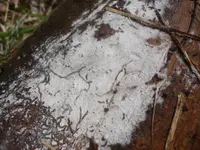
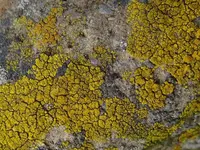
Eggyolk lichen, Candelariella vitellina, is a crustose lichen that forms flat, closely attached patches on rocks, roofs, walls, and sometimes tree bark. Its vivid yellow to orange color often creates speckled or irregular mats that resemble dried paint.

This species is widespread in temperate regions, especially in urban and coastal areas where hard surfaces are abundant. It is slow growing but very hardy, tolerating wind, cold, and moderate air pollution.

Because it is adapted to exposed surfaces with limited nutrients, it can be challenging to keep in traditional containers, and attempts to care for eggyolk lichen should focus on mimicking its natural, open, well-lit habitats.

Main Plant Requirements

Care Difficulty

Moderate Care

Light Preference

Full Sun

Water Requirements

Low Water

Temperature Preference

Cold Hardy

Hardiness Zone

3–9

Soil Texture

Rocky, Sandy, Loamy

Soil pH

Acidic (5.5–6.5), Slightly acidic (6.5–7.0)

Soil Drainage

Well-drained

Fertilization

Minimal (feed rarely)

Get Personalized Care Plan

Scan your plant to receive care tips personalized for your specific plant

Available on iOS and Android

How to Care for the eggyolk lichen

This crustose lichen thrives in open, sun-exposed sites but tolerates some shade.

  • Provide 4–8 hours of direct sun daily, ideally with gentle morning sun and some light afternoon shade in very hot, dry regions.
  • It tolerates bright, open partial shade, but heavy shade slows growth and can dull the yellow color of eggyolk lichen over time.
  • On exposed rock or bark, watch for bleaching or cracking in intense summer sun, and rely on natural seasonal changes rather than artificial shading.

This lichen relies on natural wet–dry cycles and should not be treated like a typical houseplant.

  • Allow the substrate (rock, bark, or soil crust) to dry completely between natural rain events; the surface should feel dry and not spongy before any supplemental misting.
  • If grown where rainfall is low, light misting only when the thallus looks completely dry and brittle helps, but frequent soaking encourages rot and algae growth.
  • Signs of overwatering include soft, darkened patches or greenish films, while very long dry spells cause the lichen to become pale and brittle until rehydrated.

This species is highly cold tolerant and adapted to outdoor temperature swings.

  • Optimal active growth occurs in cool to mild conditions around 40–68°F (4–20°C), especially when moisture is available.
  • It survives winter cold well below 32°F (0°C), often down to about 5°F (−15°C) or lower when attached to stable rock or bark surfaces.
  • During hot spells above 86°F (30°C), it typically enters a dry, dormant state; prolonged extreme heat with full exposure and no moisture can cause gradual dieback.

This crustose lichen prefers consistently moist air but survives a wide humidity range outdoors.

  • Target 50–90% humidity on exposed rocks, masonry, or bark, avoiding prolonged extreme dryness.
  • It tolerates short dry spells, but extended <30% humidity with full sun can cause bleaching and reduced growth.
  • Humidity stress appears as pale, brittle, or powdery thalli that do not green up quickly after wetting.
  • Increase local humidity by misting surfaces during dry spells or positioning eggyolk lichen in sheltered, less wind-exposed microsites.

Candelariella vitellina grows on hard substrates rather than true soil, so focus on a mineral, very free-draining surface.

  • Provide a gritty, sand- and gravel-based layer over rock, concrete, or clay tile, with minimal organic matter to reduce competition from mosses and algae.
  • Ensure rapid drainage; water should run off or through within seconds, leaving the surface damp but never holding standing water.
  • Aim for slightly acidic to neutral conditions (pH 5.5–7.0) by avoiding lime-heavy additives unless mimicking naturally calcareous sites.
  • To improve aeration and structure, mix sharp sand, fine grit, and a small amount of crushed stone, avoiding peat or compost-rich mixes that stay wet and soft.

This species can be grown in shallow containers that mimic exposed rock surfaces.

  • Use a wide, shallow tray filled with stone, gravel, or broken tile pieces to create a firm, stable colonization surface.
  • Choose heavy ceramic or stone containers outdoors to prevent tipping and to buffer rapid moisture and temperature swings.
  • Maintain a slight tilt or uneven surface so water sheets off quickly, leaving only brief surface dampness after rainfall or misting.

Candelariella vitellina grows on nutrient-poor surfaces and usually does not need any fertilizer for healthy development.

Candelariella vitellina normally requires no deliberate pruning, since the lichen mat naturally expands and sheds tiny dead areas over time.

Eggyolk lichen is usually established on rocks, bark, or concrete, so care focuses on placing suitable substrate pieces rather than conventional repotting.

  • Transplant by moving small rock or bark sections already colonized with lichen onto a new, similar surface.
  • Carry out moves in cool, moist weather to limit desiccation stress and improve attachment.
  • Avoid scraping or breaking the crust; keep pieces intact and handle only the substrate, not the lichen surface.
  • Do not expect frequent transplanting; once established, lichen patches are best left undisturbed for many years.

Propagation of Candelariella vitellina is slow and specialized, so it is not a typical home project and is rarely attempted intentionally.

This lichen is very cold hardy and normally needs no special winter care in outdoor settings across temperate climates.

Care Tips

Choose stable substrates

Apply small fragments only to hard, durable materials such as unsealed stone, old concrete, or clay tiles, since this lichen establishes best on chemically stable, slightly rough surfaces that do not flake or move.

Microhabitat placement

Position starter fragments on slightly sloped or vertical faces that shed standing water but still receive regular light, such as the upper sides of rocks or wall tops, to reduce rot and promote faster spread.

Gentle fragment transfer

Collect tiny patches with a thin blade, keeping a bit of the underlying crust, then press them gently onto the new surface so the lower layer maintains good contact without crushing the thallus.

Avoid chemical exposure

Keep colonized surfaces away from runoff containing de-icing salts, herbicides, or strong detergents, which can kill the lichen outright or halt growth for years when caring for eggyolk lichen.

Encourage natural seeding

Leave some mature, undisturbed colonies nearby so wind and rain can spread their spores and microscopic fragments onto adjacent suitable surfaces, gradually thickening the overall coverage.

Common Pests and Diseases

Air pollution damage

Symptoms include bleaching, fading, or grayish patches where the lichen surface was once bright yellow, often on sites exposed to traffic or industrial emissions. This damage reflects the high sensitivity of eggyolk lichen to sulfur dioxide and other airborne pollutants.

Solution

Reduce exposure by avoiding collection or placement of host substrates (rocks, old concrete, roofing) in highly polluted or roadside locations, and favor cleaner-air spots with good air circulation. In affected areas there is no direct treatment; long‑term improvement depends on cleaner air and allowing new, healthy thalli to recolonize suitable surfaces.

Nutrient enrichment

This condition appears as decline or disappearance of the lichen where surfaces receive regular nutrient inputs such as bird droppings, fertilizer drift, or runoff from garden beds. Symptoms include overgrowth by algae, mosses, or vascular plants that outcompete the lichen.

Solution

Limit fertilizer use and runoff around stones or structures supporting the lichen, and position them away from downspouts, lawn edges, or feeding stations. If enrichment has already caused overgrowth, gently remove competing moss or algae by hand or with a soft brush, taking care not to scrape away intact lichen crusts.

Surface overgrowth by algae

This issue shows as a dull green film over the yellow lichen surface, reducing color intensity and photosynthesis. This often develops on persistently damp, shaded, or nutrient‑enriched surfaces.

Solution

Improve exposure by providing more indirect light and better air movement, and reduce chronic wetness by adjusting watering or splash patterns nearby. Lightly brushing with a soft, dry brush in dry conditions can remove some algal film, but any mechanical cleaning must be very gentle to avoid detaching the lichen.

Mite grazing

This pest causes tiny pits, irregular roughening, or patchy thinning of the lichen surface, sometimes with fine dust or frass in crevices. These micro‑arthropods feed on lichen tissues, especially in humid, sheltered microsites.

Solution

Encourage drier intervals and good airflow around the substrate to make conditions less favorable to mites, and avoid constant misting over the lichen. If damage is concentrated on a small area, removing and discarding the most affected fragment of substrate is usually more realistic than trying to apply targeted pesticides for Candelariella vitellina care.

Interesting Facts

Urban pollution specialist

This lichen often thrives on roadside rocks, old concrete, and urban walls, showing a relatively high tolerance to air pollution compared with many more sensitive lichen species.

Distinctive egg-yolk pigments

Its bright yellow to orange color comes from lichen secondary metabolites such as pulvinic acid derivatives, which help protect the symbiotic algae from intense sunlight and UV radiation.

Crust tightly glued

It forms a thin, crust-like thallus that is so strongly attached to stone, metal, or bark that it cannot be removed without damaging the substrate, a typical adaptation of many saxicolous (rock-dwelling) lichens.

Botan icon

Did you know?

This species is one of the most widespread yellow crustose lichens in temperate regions of the Northern Hemisphere and is frequently used in mapping lichen biodiversity patterns across human-made substrates like concrete, asphalt, and roofing materials.

FAQs about eggyolk lichen

Growth is very slow. In good conditions, thallus edges may advance only 0.5–2 mm per year. Patience is essential when trying to grow Candelariella vitellina on new stone or bark surfaces.

Grow Healthy Plants with Botan Care

Keep your plants happy and healthy with plant identification, disease detection, and easy care guidance.

Botan plant care app — identify plants on mobile

Explore More Plants