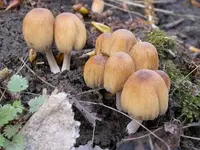
Scarlet Bonnet Care (Atheniella adonis)

Scarlet Bonnet

About Scarlet Bonnet

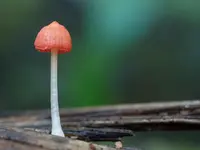
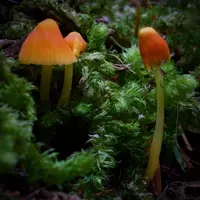
Scarlet bonnet, Atheniella adonis, is a delicate woodland mushroom, not a houseplant in the usual sense. It produces tiny, bright red to pinkish caps on thin, fragile stems. The fruiting bodies are short-lived and appear in moist, mossy habitats, often on decaying wood or rich forest litter.

This fungus is native to temperate regions, especially in Europe and parts of North America, where it fruits in cool, damp seasons. It is not considered a practical species to cultivate at home, so how to care for Scarlet Bonnet mainly means protecting suitable woodland conditions outdoors, with consistent moisture and undisturbed organic matter.


Main Plant Requirements

Care Difficulty

Hard Care

Light Preference

Shade

Water Requirements

Keep Soil Moist

Temperature Preference

Cool Climate

Hardiness Zone

Unknown

Soil Texture

Loamy, Organic-rich

Soil pH

Acidic (5.5–6.5)

Soil Drainage

Moist but well-drained

Fertilization

Minimal (feed rarely)

Get Personalized Care Plan

Scan your plant to receive care tips personalized for your specific plant

Available on iOS and Android

How to Care for the Scarlet Bonnet

This small woodland mushroom prefers cool, shaded forest conditions rather than direct open sun.

  • Provide dappled or filtered light under trees, receiving no more than 1–2 hours of weak morning sun at forest edges.
  • Avoid strong midday or afternoon sun, which can dry out the substrate and quickly desiccate delicate Scarlet Bonnet fruiting bodies.
  • Ensure partial to deep shade during summer; in winter, when tree canopies are open, leaf litter and moisture help offset increased light levels.

This fungus depends on consistently moist, not waterlogged, forest substrate to form and sustain fruiting bodies.

  • Substrate such as leaf litter and decaying wood should feel evenly damp to the touch, never soggy or cracked-dry at the surface.
  • Increase moisture in dry spells by gently wetting the surrounding organic layer, allowing excess water to drain away to prevent standing puddles.
  • Signs of excess moisture include sour odor and slimy decay, while shriveling caps and brittle stems suggest the substrate has dried too far.

This species favors cool, moist conditions typical of temperate woodlands rather than temperature extremes.

  • Optimal fruiting generally occurs around 50–65°F (10–18°C), with activity often linked to cool, damp periods in spring or autumn.
  • Short exposures down to about 32°F (0°C) may be tolerated, but hard frost or frozen substrate can halt development and damage fruiting bodies.
  • Sustained heat above 77°F (25°C) combined with low humidity quickly dries the substrate, so shaded, moist microhabitats are important in warmer seasons.

This delicate fungus prefers consistently moist air and substrate rather than specific indoor humidity control.

  • Target 60–90% humidity outdoors or in very damp, sheltered spots, mimicking the humid forest-floor conditions where Scarlet Bonnet appears naturally.
  • It tolerates brief dips to 40–50% if the substrate stays evenly moist, but prolonged dry air quickly desiccates the tiny caps and stems.
  • Humidity stress shows as shriveling, paling, and collapse of fruiting bodies; increase local humidity by keeping the underlying leaf litter or moss evenly moist without waterlogging.

This woodland mushroom fruits best in loose, organic debris rather than conventional potting soil.

  • Use a substrate of well-rotted leaf litter, fine bark, and decaying twigs over naturally moist ground, which mimics typical Atheniella adonis habitats.
  • Ensure rapid drainage through the mineral soil below the litter layer so the surface stays damp but the underlying soil does not become stagnant or anaerobic (lacking oxygen).
  • Maintain a slightly acidic to neutral base soil, roughly pH 5.5–7.0, enriched with decomposing hardwood material instead of fresh, resinous conifer chips.
  • Avoid compacted clay, heavily fertilized garden beds, or sterile bagged mixes, which disrupt the natural fungal community needed for Atheniella adonis plant care and fruiting.

This species is generally unsuitable for long-term container growing because it depends on complex, natural woodland substrate and microflora.

Atheniella adonis is a small woodland mushroom that does not need direct fertilizing in cultivation or habitat.

Pruning is not part of normal care for Atheniella adonis, since each mushroom fruiting body is short lived and replaced naturally.

This fungus is not managed like a potted plant, so focus on maintaining a suitable habitat rather than repotting Scarlet Bonnet.

  • Transplant only substrate, such as decaying leaf litter or mossy wood, rather than individual mushrooms or mycelium clumps.
  • If moving habitat material, do it in cool, moist weather to limit drying and thermal stress on the fungal threads.
  • Lift thin layers of substrate gently, keeping them intact, and place them onto a similar shaded, humid site.
  • Water the new site lightly after moving the substrate and keep it evenly moist while the fungus adjusts.

Propagation of Atheniella adonis is rarely attempted, as it spreads itself by spores and colonizes suitable decaying material naturally.

No special winter care is required, since this woodland fungus persists as hidden mycelium and fruits only in favorable seasons.

Care Tips

Moisture mapping

Place a few shallow markers (such as labeled toothpicks) across a log or mossy tray to track which areas stay evenly damp, then position your main fruiting spots in the consistently moist but not waterlogged zones when growing Scarlet Bonnet.

Controlled air movement

Use a small, low-speed fan set several feet away to keep air gently moving across the fruiting area, which helps caps dry properly between misting and lowers the risk of bacterial blotch and mold on the tiny mushrooms.

Clean handling routine

Always harvest with clean hands or sterilized tweezers and avoid touching surrounding mycelium, which reduces contamination and supports repeated, healthy flushes from the same substrate.

Targeted misting technique

Mist the air above and around the colony rather than spraying directly on the caps, allowing fine droplets to settle gradually and prevent bruising or collapse of the delicate fruiting bodies.

Substrate rotation

Rotate or replace heavily fruited substrate sections with fresh, preconditioned material on a schedule, so the mycelium always has access to new, lightly decomposed organic matter and does not exhaust a single spot completely.

Common Pests and Diseases

Fungus gnat larvae

This pest lives in damp, organic-rich substrates and can feed on delicate fungal tissue and mycelium. Symptoms include thinning clusters of fruiting bodies and reduced or distorted caps around heavily infested areas.

Solution

Allow the substrate surface to dry slightly between waterings, use well-drained, pasteurized or fresh substrate, and remove decaying organic debris that attracts adults. Yellow sticky traps near the fruiting area help reduce adult populations, and a targeted biological control such as Bacillus thuringiensis israelensis (BTI) can be used in moist substrates if infestation is persistent.

Mite feeding damage

These insects, often tiny soil or fungus-associated mites, graze on young fruiting bodies or emerging pins, causing misshapen or stunted mushrooms. Symptoms include pitted caps, irregular margins, and failure of small fruiting bodies to mature.

Solution

Discard heavily infested substrates and start with clean materials, avoiding reuse of old, contaminated wood or leaf litter. Maintain good hygiene around the growing area, reduce excess damp debris, and, if needed, place the culture in a fine-mesh enclosure to limit access by crawling arthropods while ensuring adequate airflow for growing Scarlet Bonnet.

Bacterial blotch

This disease develops in persistently wet, stagnant conditions and causes greasy spots or water-soaked patches on caps that may discolor. Symptoms include soft, slimy areas on the surface of the mushroom and premature collapse of affected fruiting bodies.

Solution

Improve air movement around the fruiting site, reduce direct overhead wetting, and avoid prolonged water sitting on caps. Remove and discard any affected mushrooms promptly, and in future cycles maintain slightly drier cap surfaces by using gentle side-watering or fine misting with rapid drying between applications.

Competing mold contamination

This disease arises when fast-growing molds colonize the same substrate, outcompeting Atheniella adonis mycelium. Symptoms include visible patches of green, gray, or black mold on the substrate or near the base of fruiting bodies and a rapid decline in mushroom formation.

Solution

Carefully remove and discard any substrate sections with visible mold, and do not disturb moldy areas more than necessary to limit spore spread. For future cultures, use fresh, uncontaminated woody debris or leaf litter, keep tools and containers clean, and avoid overly warm, stagnant, and constantly wet conditions that favor aggressive molds.

Interesting Facts

Striking blood-red cap

The small cap is typically bright scarlet to crimson when fresh and moist, often paling or fading as it dries, which makes this otherwise delicate fungus very conspicuous on dark forest litter.

Prefers conifer litter

This species is most often recorded on needle litter and very decayed plant debris in coniferous or mixed woodlands, rather than on intact wood or soil, reflecting a strong preference for highly decomposed organic material.

Extremely fragile fruiting body

The stem and cap are so thin and brittle that the mushrooms are easily damaged by rain or handling, which partly explains why they are often overlooked despite their bright color.

Botan icon

Did you know?

Molecular studies contributed to moving this species from the genus Mycena to Atheniella, showing that its bright pigmentation and microscopic features place it in a distinct genetic lineage separate from superficially similar bonnet mushrooms.

FAQs about Scarlet Bonnet

This small woodland mushroom is not suitable for typical indoor culture. It develops best outdoors in cool, damp, shaded habitats with decaying plant material, where natural soil fungi, moisture patterns, and airflow support its full life cycle.

Grow Healthy Plants with Botan Care

Keep your plants happy and healthy with plant identification, disease detection, and easy care guidance.

Botan plant care app — identify plants on mobile

Explore More Plants