Xanthoparmelia pulla Care

Xanthoparmelia pulla

About Xanthoparmelia pulla

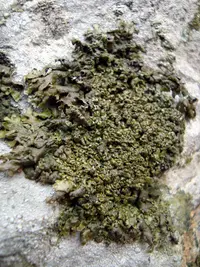
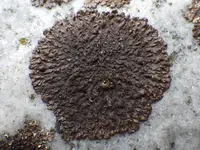
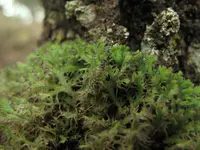
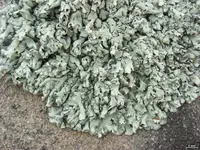
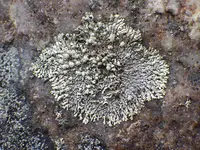
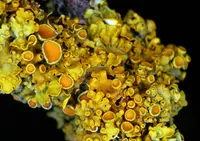
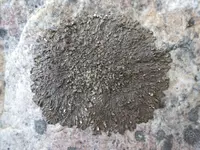
Xanthoparmelia pulla is a foliose lichen, not a typical leafy plant. It forms low, crusty to leafy mats that cling tightly to rocks and exposed surfaces. The thallus, or lichen body, is usually gray-green to brown and can create broad, patchy carpets over time.

This species occurs mainly in dry, open habitats, especially rocky outcrops and nutrient-poor sites in temperate regions. Its slow growth, need for clean air, and sensitivity to disturbance make it challenging to cultivate. Most growers simply study it in place rather than attempt to care for Xanthoparmelia pulla in containers or gardens.


Main Plant Requirements

Care Difficulty

Moderate Care

Light Preference

Full Sun

Water Requirements

Low Water

Temperature Preference

Warm Climate

Hardiness Zone

Unknown

Soil Texture

Rocky, Sandy

Soil pH

Acidic (5.5–6.5)

Soil Drainage

Well-drained

Fertilization

Minimal (feed rarely)

Get Personalized Care Plan

Scan your plant to receive care tips personalized for your specific plant

Available on iOS and Android

How to Care for the Xanthoparmelia pulla

This lichen thrives in bright, open habitats with strong light and good air movement.

  • Provide 6–10 hours of direct to lightly filtered sun, with morning and midday sun preferred over intense late-afternoon exposure.
  • Tolerates light partial shade, but prolonged deep shade leads to thinner, duller thalli and reduced growth of Xanthoparmelia pulla.
  • In hot, dry summers, some brief afternoon shade helps limit desiccation stress and surface overheating, while in winter more open exposure maximizes weak sunlight.

This rock‑dwelling lichen is highly drought tolerant and should stay mostly dry between natural wetting events.

  • Do not follow a fixed schedule; instead, allow the substrate or rock surface to dry completely, then moisten lightly and let it dry again.
  • Use very fast-draining conditions so water runs off within minutes; standing water or persistently damp surfaces promote rot and algal overgrowth.
  • In cooler seasons or high humidity, reduce any supplemental misting; pale, brittle patches suggest prolonged dryness, while soft, dark, slimy areas indicate overwatering.

This species is adapted to wide outdoor temperature swings but has limits to both heat and cold.

  • Optimal activity occurs around 50–77°F (10–25°C), with metabolic processes slowing but not stopping slightly outside this range.
  • It tolerates brief drops to about 14°F (-10°C) on exposed rocks, but repeated hard freezes with ice buildup can damage tissue.
  • Heat above 95°F (35°C), especially on dark rock surfaces, can cause overheating, so some afternoon shade and airflow help in hot, dry climates.

This lichen tolerates a wide humidity range but reacts quickly to extremes.

  • Aim for 40–70% humidity, as Xanthoparmelia pulla naturally cycles between moist and dry conditions on rock surfaces.
  • Crisping, bleaching, or brittle lobes signal air that is too dry for prolonged periods.
  • Increase humidity by placing it outdoors in shaded, dewy spots or using a brief, fine mist and then allowing full drying between wettings.

This rock-dwelling lichen does not need conventional potting soil but benefits from a mineral, sharply drained base when cultured.

  • Use a very sandy or gritty mix over rocks, such as 60–80% coarse sand or fine gravel with 20–40% low-organic, mineral soil.
  • Ensure extreme drainage; water must pass through in seconds, mimicking rain running off rock surfaces.
  • Keep pH near neutral to slightly alkaline (pH 6.5–8) by incorporating crushed limestone chips if needed.
  • Avoid peat-heavy, compact, or water-retentive mixes, which encourage rot and disrupt the lichen’s slow, surface-based growth.

This species can be maintained in shallow containers mainly as a display surface rather than a rooted plant.

  • Choose a wide, shallow tray that supports a flat rock slab, since the lichen anchors to the rock rather than the potting medium.
  • Use rigid, stable materials such as ceramic or stone containers so the rock does not shift and damage the thallus.
  • Provide fast runoff by slightly tilting the container or ensuring large side drainage openings so water never pools around the rock.

This crustose lichen grows on nutrient-poor substrates and Xanthoparmelia pulla usually requires no fertilization under normal conditions.

Pruning is not a standard practice for this crustose lichen, so Xanthoparmelia pulla needs no deliberate shaping or cutting in cultivation.

When grown on rock slabs or in shallow trays, this lichen is disturbed as little as possible during repotting or transplanting.

  • Shift colonies only if the substrate crumbles, becomes unstable, or no longer drains well.
  • Plan any move for mild weather in spring or early fall to minimize temperature stress.
  • Transfer the entire rock or substrate piece without breaking the thallus and avoid handling by the lichen surface.
  • Keep the new site with similar light, airflow, and moisture patterns to reduce shock and support reattachment.

Propagation of this lichen is slow and specialized, so Xanthoparmelia pulla is rarely multiplied intentionally in home settings.

This lichen is naturally cold hardy and typically needs no special winter care when grown outdoors in suitable climates.

Care Tips

Use inert substrate

Attach the lichen to inert, non-calcareous rock (such as granite, sandstone, or unglazed ceramic) rather than organic potting media, since it absorbs nutrients and moisture directly through the thallus and is adapted to mineral surfaces.

Mimic natural airflow

Place mounted pieces in a location with steady, gentle air movement (for example near but not directly in front of a fan or open window) to allow the surface to dry between wetting cycles and to reduce fungal problems.

Implement soak–mist routine

Instead of frequent light misting only, fully wet the lichen and its rock under low-pressure water for a few minutes, then let it dry completely before the next watering to simulate natural rain and drying events.

Seasonal light adjustment

Shift the mount slightly farther from strong light sources in summer and closer in winter to reduce heat and desiccation stress while still providing enough light for photosynthesis when growing Xanthoparmelia pulla.

Rotate mounting surface

Rotate the rock by 90° every 1–2 weeks so different parts of the thallus receive similar light and airflow exposure, which supports more even, dense growth over time.

Common Pests and Diseases

Air pollution injury

Symptoms include bleaching, browning, or complete disappearance of thallus patches in areas exposed to traffic or industrial emissions. This condition reflects sensitivity to sulfur dioxide, nitrogen oxides, and heavy metals deposited from the air.

Solution

Reduce exposure by sourcing material only from clean, non‑polluted habitats and avoid placing collected thalli near roads, chimneys, or other emission sources. For existing collections, move to cleaner air, avoid smoking or strong chemical use nearby, and do not attempt chemical treatments, since damaged lichen tissue does not recover and must slowly be replaced by new growth.

Excessive sun and heat stress

Symptoms include fading color, brittle texture, and cracking or fragmentation of the thallus on very exposed rock or container surfaces. This stress develops when prolonged high light and heat exceed the lichen’s natural moisture cycle and desiccation tolerance.

Solution

Provide conditions that mimic the original habitat, such as bright but not intensely reflective sites and some shelter from extreme midday heat. If keeping samples in a tray or shallow dish, place them where they receive indirect light, avoid hot metal or dark stone surfaces, and mist lightly only during cooler parts of the day to prevent rapid heat‑induced drying.

Moisture imbalance damage

Symptoms include soft, discolored, or sloughing patches when kept constantly wet, or unusually dull, lifeless tissue when never allowed to hydrate. This condition arises from disruption of the lichen’s normal alternation between wet and dry states.

Solution

For Xanthoparmelia pulla care instructions in small habitat dishes or educational displays, allow full drying between light mistings and avoid soaking or standing water around the thalli. Maintain good air movement, use a free‑draining mineral substrate like clean gravel or rock chips, and remove any sections that turn black, mushy, or foul‑smelling, as they are unlikely to recover.

Algal or cyanobacterial overgrowth

Symptoms include slimy green or dark films forming on and around the lichen after periods of constant moisture. This overgrowth can shade the lichen’s own symbiotic algae and interfere with gas exchange.

Solution

Reduce watering frequency, increase airflow, and ensure intense but indirect light so surfaces dry between mistings. Gently rinse affected rocks or trays with clean water, avoid detergents, and mechanically remove heavy films with a soft brush, taking care not to scrub away the lichen thallus itself.

Mite grazing

This pest may cause fine pitting, frayed edges, or tiny bite marks on the lobes, especially in stored or display specimens kept in enclosed, dusty, or undisturbed conditions. These arthropods feed on organic particles and lichen tissues, slowly thinning the thallus.

Solution

Limit mite problems by keeping collections in clean, ventilated containers and avoiding storage with old plant debris, soil, or textiles. If damage appears, gently shake or brush the thalli to dislodge mites, briefly expose the container to cooler, drier conditions that mites dislike, and, if necessary, isolate heavily infested pieces rather than applying chemicals that can harm the lichen.

Interesting Facts

Nitrogen-fixing partnership

This lichen forms a symbiosis between a green alga and a nitrogen-fixing cyanobacterium, allowing it to capture atmospheric nitrogen and gradually enrich nutrient-poor rock surfaces.

Siliceous rock specialist

It typically colonizes siliceous rocks such as granite and quartzite in dry, open habitats, where its tightly attached, crust-like thallus tolerates strong sun and large daily temperature swings.

Chemical stress defenses

The thallus produces characteristic lichen substances, including depsidones and related aromatic compounds, which help protect it from UV radiation, herbivores, and microbial attack.

FAQs about Xanthoparmelia pulla

This lichen is best grown outdoors, attached to rocks or other stable, well-ventilated surfaces. It relies on unfiltered light, rainfall, and natural airflow, which are difficult to reproduce consistently in typical indoor conditions.

Grow Healthy Plants with Botan Care

Keep your plants happy and healthy with plant identification, disease detection, and easy care guidance.

Botan plant care app — identify plants on mobile

Explore More Plants