Alyxoria demutata Care

About Alyxoria demutata

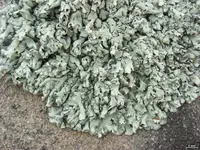
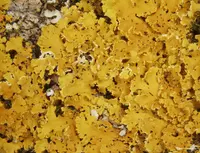
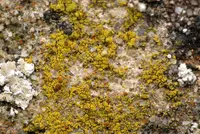
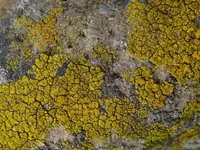
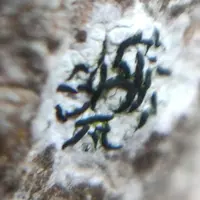
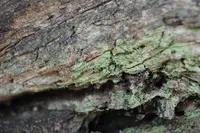
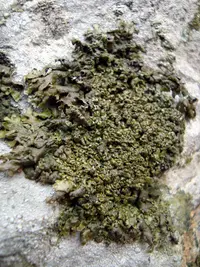
Alyxoria demutata is a crustose lichen, not a typical leafy houseplant. It forms thin, crust-like patches tightly attached to bark or rock surfaces. The thallus, or lichen body, is usually pale to grayish, with small dark fruiting structures where spores are produced.

This species occurs mainly in temperate regions, often on tree trunks in forests or sheltered, humid sites. It is slow-growing and very sensitive to air quality, which makes it challenging to maintain indoors or in polluted areas.

Those wanting to learn how to care for Alyxoria demutata should know it prefers stable, cool conditions with gentle light, consistent moisture in the air, and undisturbed surfaces for attachment.

Main Plant Requirements

Care Difficulty

Moderate Care

Light Preference

Partial Shade

Water Requirements

Moderate Water

Temperature Preference

Warm Climate

Hardiness Zone

Unknown

Soil Texture

Loamy

Soil pH

Slightly acidic (6.5–7.0)

Soil Drainage

Well-drained

Fertilization

Minimal (feed rarely)

Get Personalized Care Plan

Scan your plant to receive care tips personalized for your specific plant

Available on iOS and Android

How to Care for the Alyxoria demutata

This lichen prefers stable, moderate light rather than intense direct sun.

  • Provide bright, indirect light or open shade, roughly 2–4 hours of soft morning or filtered sun and no harsh midday exposure.
  • Tolerates partial shade but growth of Alyxoria demutata may slow if light drops below dappled shade for most of the day.
  • Avoid strong afternoon sun, which can cause bleaching and drying, especially in summer; in winter, slightly higher light levels are usually beneficial.

Moisture needs are low but consistent, with a strong preference for good air flow and fast drainage.

  • Allow the substrate or host surface to dry to the touch between wetting; avoid standing water or persistently saturated conditions at all times.
  • In mild, moist seasons rely mostly on natural humidity or rain, using light misting only when surfaces stay dry for many days.
  • Reduce any supplemental wetting in cool or cold periods to prevent rot and algal overgrowth, watching for soft, discolored patches as early overwatering signs.

This species prefers cool to mild conditions and does poorly in temperature extremes.

  • Aim for an active growth range around 50–70°F (10–21°C), with stable humidity and good air movement.
  • Short exposures down to about 23–25°F (-5 to -4°C) may be tolerated if drying winds are limited, but prolonged hard frost can damage tissue.
  • Heat above 80–86°F (27–30°C), especially with strong sun, can cause desiccation; provide shade and slightly higher ambient humidity in hot periods.

This lichen tolerates a broad humidity range but stays healthiest with moderately moist air.

  • Aim for 50–70% humidity, as Alyxoria demutata grows best where air is neither very dry nor constantly saturated.
  • It tolerates short dry spells, but prolonged <40% humidity slows growth and can cause pale, brittle thalli.
  • Humidity stress shows as shriveling, cracking, and reduced lichen color intensity on the substrate surface.
  • Increase humidity by misting nearby surfaces, grouping with other moisture-loving organisms, or placing the substrate over a shallow water tray without submerging it.

This crustose lichen does not root in soil but may be associated with a supporting mineral or bark substrate.

  • In cultivation, mimic a firm, low-organic, mineral surface such as weathered stone, compact sand, or bark rather than loose, rich potting mix.
  • Ensure rapid drainage so water runs off the substrate quickly; standing moisture around the lichen layer encourages rot and algal overgrowth.
  • Use slightly acidic to neutral conditions (pH 5.5–7.0) by combining washed sand, fine grit, and a small amount of low-lime stone dust if needed.
  • Avoid dense peat, high compost content, or continuously wet substrates, as these reduce aeration and favor competing mosses and fungi over Alyxoria demutata.

This species is only moderately suitable for container growing, mainly as a specialist lichen display on a stable substrate.

  • Fix lichen-bearing bark or stone firmly within a shallow, heavy container so it cannot shift when moved or watered.
  • Select a wide, low pot that exposes the substrate surface fully to air and light while resisting tipping outdoors.
  • Use an inert, fast-draining base fill (gravel or coarse sand) beneath the display substrate to prevent water from pooling around the lichen zone.

This lichenized fungus typically gains nutrients from its substrate and surrounding environment, so Alyxoria demutata needs no intentional fertilization in cultivation.

As a crustose lichen, Alyxoria demutata does not respond to pruning in the way vascular plants do and usually requires no pruning.

This species naturally colonizes bark or rock surfaces, so any human intervention focuses on relocating the substrate rather than handling the lichen directly.

  • Transplant only if the host branch or rock must be moved, keeping the colonized surface intact and undisturbed.
  • Choose cool, overcast conditions to reduce desiccation stress when moving colonized material outdoors.
  • Avoid scraping, cutting, or peeling the thallus; instead, relocate the entire piece of bark or stone.
  • Secure the host material in the new site so it remains stable and exposed to similar light and moisture levels.

Propagation of this crustose lichen is slow, specialized, and rarely attempted outside research settings, so home growers typically do not try to reproduce it directly.

In temperate climates, this hardy crustose lichen generally survives normal winter conditions without special care.

  • Allow natural exposure to cold, as freezing temperatures are usually tolerated on stable bark or rock surfaces.
  • Avoid using de-icing salts or chemical sprays near colonies, since they can damage the thallus in winter.
  • For pieces kept in containers or displays, maintain outdoor-like conditions: cool temperatures, good air flow, and periodic moisture.

Care Tips

Substrate selection

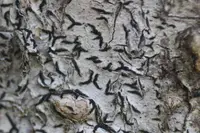
Mount colonies on stable, non-calcareous stone or unglazed ceramic with a slightly rough texture, as this mimics its natural saxicolous habit and helps the lichen thallus anchor securely over time.

Airflow management

Provide gentle but constant air movement using a low-speed fan or open ventilation slots to prevent stagnant air layers that can encourage mold growth around the moist substrate.

Moisture scheduling

Use a fine-mist sprayer to lightly hydrate the substrate surface and lichen in the early morning, then allow a full dry-down period before the next misting to reduce risk of algal overgrowth that can smother the thallus.

Light acclimation

When increasing light intensity, do so over 2–3 weeks by gradually moving the mount closer to the light source to avoid photobleaching of the photobiont layer, which is critical for long-term success when growing Alyxoria demutata.

Monitoring with magnification

Inspect the thallus and fruiting bodies every few weeks with a hand lens (10–20×) to spot early signs of stress such as discoloration, shrinking margins, or abnormal blackening, and adjust moisture or light conditions promptly if changes are observed.

Common Pests and Diseases

Lichenicolous fungi

This disease involves specialized fungi that live on and damage the lichen thallus, causing discoloration, spotting, or localized necrosis. Symptoms include dark fungal structures on the surface and gradual loss of healthy lichen tissue.

Solution

Remove and discard heavily overgrown or blackened patches to limit spread, and avoid mechanical damage that can create entry points for these fungi. Maintain good air circulation and reduce chronic wetting, for example by improving exposure to wind and light, as drier, well-ventilated surfaces are less favorable for lichenicolous fungal development.

Air pollution injury

This disease is caused by exposure to sulfur dioxide, nitrogen oxides, or other industrial pollutants, leading to bleaching, reduced growth, and eventual lichen death. Symptoms include fading or loss of the normal thallus color and fragmentation of previously continuous patches.

Solution

Limit collection or placement of substrates with this lichen in areas with heavy traffic or industrial emissions, and favor cleaner-air microhabitats such as sheltered woodland or coastal sites. If kept for study, increase distance from direct exhaust sources and provide good air exchange so pollutants do not accumulate around the thalli, which supports more stable Alyxoria demutata care.

Prolonged desiccation damage

This problem develops when thalli experience extended dry periods beyond their normal tolerance, leading to brittleness, cracking, and loss of attachment. Symptoms include a faded, chalky surface and flaking of the lichen from bark or rock.

Solution

Preserve or situate substrates in microhabitats that offer periodic moisture, such as lightly shaded exposures that still receive dew and brief wetting. Avoid continuous hot, dry air flow and, in ex situ situations, allow intermittent gentle misting followed by full drying rather than either constant drought or constant saturation.

Excessive shading

This condition occurs when canopy closure, building shadows, or wall coverings reduce light to levels too low for photosynthesis, leading to thinning and eventual disappearance of the lichen. Symptoms include reduced thallus density and patchy survival only in the brightest remaining spots.

Solution

Maintain moderate, filtered light by selectively pruning overhanging branches or relocating colonized substrates away from heavily shaded walls or structures. Avoid placing barriers such as dense ivy or artificial coverings directly over colonized bark or stone so the lichen retains access to indirect but consistent light.

Bark-dwelling mites

These insects or mite-like arthropods graze on the lichen surface and associated microorganisms, causing fine pitting, surface roughening, and small areas of dead tissue. Symptoms include tiny speckling, irregular erosion, and occasional webbing on or near the thalli.

Solution

Gently brush the substrate with a soft, dry brush or use a low-pressure water spray to dislodge mites and webbing without scraping the thallus. Reduce nearby organic debris and moss that can harbor large populations, and in persistent cases use a targeted, low-toxicity insecticidal or acaricidal soap applied around but not directly onto the lichen wherever possible.

Interesting Facts

Specialized bark lichen

This species grows almost exclusively on the smooth bark of young deciduous trees, especially in humid, shaded forests, showing a strong preference for stable, undisturbed microhabitats.

Distinctive spore ornamentation

Under a microscope its ascospores show a characteristic pattern of septation and surface ornamentation that helps lichenologists separate it reliably from closely related Alyxoria species.

Indicator of air quality

Because it is sensitive to elevated air pollutants, stable populations of this lichen can indicate relatively clean air conditions and limited industrial impact in a forested area.

FAQs about Alyxoria demutata

This lichen is not suited to typical indoor culture. It grows best outdoors on stable, rough surfaces like bark or rock, in clean, humid air. Indoor conditions rarely provide enough light, airflow, or suitable substrate.

Grow Healthy Plants with Botan Care

Keep your plants happy and healthy with plant identification, disease detection, and easy care guidance.

Botan plant care app — identify plants on mobile

Explore More Plants