Arthonia ilicina Care

Arthonia ilicina

About Arthonia ilicina

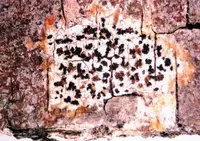
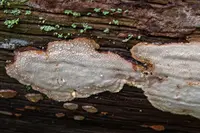
Arthonia ilicina is a lichen-forming fungus typically found growing on the bark and leaves of holly and other broadleaf trees. It forms thin, irregular patches with tiny dark fruiting spots rather than leafy or bushy structures. This gives it a subtle, crust-like appearance that blends closely with its host surface.

In nature, Arthonia ilicina occurs mainly in temperate regions of Europe, often in humid, relatively clean-air woodlands and hedgerows. It is not a conventional houseplant, and attempts to care for Arthonia ilicina in cultivation are challenging because it depends on very specific host surfaces and stable outdoor-like conditions.

Main Plant Requirements

Care Difficulty

Moderate Care

Light Preference

Partial Shade

Water Requirements

Moderate Water

Temperature Preference

Cool Climate

Hardiness Zone

Unknown

Soil Texture

Loamy

Soil pH

Slightly acidic (6.5–7.0)

Soil Drainage

Well-drained

Fertilization

Minimal (feed rarely)

Get Personalized Care Plan

Scan your plant to receive care tips personalized for your specific plant

Available on iOS and Android

How to Care for the Arthonia ilicina

This lichen prefers stable, subdued light conditions typical of shaded holly bark in the wild.

  • Provide bright shade or dappled light, equal to roughly 1–2 hours of weak morning sun and indirect light for the rest of the day.
  • Avoid direct midday or afternoon sun, which can desiccate thalli and bleach the surface within a few days, especially in dry, exposed sites.
  • In summer, protect from strong reflected light; in winter, slightly increased indirect light is acceptable if humidity stays high for caring for Arthonia ilicina.

Water management focuses on steady surface moisture without waterlogging the substrate.

  • Before re-wetting, allow the substrate surface to just lose its sheen of moisture but not dry more than 1–2 mm deep to avoid damage to Arthonia ilicina.
  • Mist lightly when surfaces feel barely damp rather than wet, increasing frequency in hot, dry weather and reducing in cool, humid seasons.
  • Watch for overwatering signs such as slimy or peeling substrate, and underwatering signs such as crisp, brittle thalli edges and pronounced curling.

This species favors cool to mild conditions with limited thermal stress.

  • Aim for 45–70°F (7–21°C) for steady growth, avoiding rapid day–night swings greater than 15°F (8°C).
  • It tolerates brief drops near 28–32°F (-2–0°C) but repeated hard frost or freeze–thaw cycling can damage the thallus and supporting bark.
  • In hotter periods up to about 80–85°F (27–29°C), provide shade and high humidity, and avoid hot, reflective surfaces that cause local overheating.

This lichen-like species is not humidity sensitive and adapts to a wide range of outdoor conditions.

This bark-dwelling lichen does not grow in conventional potting soil but depends on a stable, rough bark surface as its substrate.

  • Select mature holly or similar smooth-barked branches with intact, unpainted, untreated bark to support Arthonia ilicina.
  • Ensure the bark surface dries quickly after rain or mist; persistent surface wetness encourages competing mosses and algae.
  • Avoid nutrient-enriched coatings, fertilizers, or compost on the bark, as excess nutrients disrupt the natural lichen community.
  • Maintain exposure to clean air and gentle airflow around the bark, since lichen tissues absorb water and minerals directly from rain and air.

This species is not suitable for conventional container growing, as it requires living bark rather than soil.

This lichenized fungus grows on holly bark and does not benefit from applied fertilizer.

Pruning is not applicable because this species lives as a crust-like lichen on host bark rather than as a standalone plant.

Transplanting is generally not recommended, as this bark-dwelling lichen is tightly attached to its host.

  • If a host holly branch must be moved, keep it shaded and avoid drying during transfer.
  • Transplant only during mild, moist weather to limit desiccation stress.
  • Handle the bark surface gently to avoid breaking the lichen thallus.
  • Accept that survival after any attempted move is unpredictable and often low.

Artificial propagation of Arthonia ilicina is challenging and rarely attempted outside research settings.

No specific winter care is needed because this lichen is naturally adapted to outdoor temperature fluctuations in its native range.

Care Tips

Host selection

Choose well-established, slow-growing holly branches with stable bark, since this lichen associates most successfully with mature Ilex hosts and is less persistent on very young or highly vigorous shoots.

Air quality monitoring

Avoid using pesticides, wood smoke, or pressure-washing near the colony, as this lichen is sensitive to air pollutants and mechanical disturbance that can halt growth for several seasons.

Stable moisture pocket

Encourage a slightly sheltered, humus-rich ground layer below the host shrub so that local humidity stays stable without direct wetting of the lichen, which supports slow but steady development.

Gentle observational checks

Inspect bark with a hand lens 2–3 times a year rather than touching crusts directly, since minimizing physical contact reduces the risk of flaking off the thin thallus when growing Arthonia ilicina.

Competition management

If faster-spreading mosses or leafy lichens begin to overgrow the colonies, gently reduce only those competitors on the same small patch of bark using a soft, dry artist’s brush rather than scraping tools.

Common Pests and Diseases

Air pollution damage

Symptoms include bleaching, browning, or localized dieback of lichen thalli, especially on exposed holly branches in areas with traffic or industrial emissions. This stress weakens the lichen and can reduce its coverage and reproductive structures.

Solution

Reduce exposure to polluted air where possible by favoring host hollies in less trafficked garden zones and avoiding use of smoke or harsh chemical sprays nearby; over time, improved air quality and stable bark conditions support natural recovery and recolonization by the lichen community.

Algal overgrowth

This disease occurs when free-living algae grow excessively on the holly bark surface, forming a green film that can partially smother lichen thalli. This layer limits light penetration and can slow photosynthesis in the lichen partner.

Solution

Gently clean affected bark sections using soft water and a soft brush or cloth to reduce the algal layer without scraping the bark, and improve light and air movement around the holly canopy so the lichen can resume balanced growth as conditions stabilize.

Sooty mold colonization

This disease appears as dark, soot-like fungal coatings on holly bark and leaves, often developing where honeydew from sap-sucking insects accumulates and can partially cover lichen patches. This coating interferes with light interception and gas exchange for the lichen.

Solution

Control underlying honeydew-producing insects on the holly, such as scale or aphids, by targeted washing of branches with water and mild soap solution, then gently wipe or rinse affected bark to remove sooty deposits while avoiding harsh scrubbing of the lichen surface.

Bark scale insects

These insects attach to holly bark and branches, extract sap, and excrete honeydew that encourages secondary fungi and algae, indirectly stressing nearby lichen thalli. This pest pressure can lead to local decline of the lichen where infestations are dense.

Solution

Inspect holly stems regularly and manually remove scale colonies by gently rubbing with a cloth or soft brush dipped in a mild soap solution, and prune heavily infested twigs to reduce sap loss and honeydew so the lichen community can stabilize under cleaner bark conditions.

Bark microfungal competition

This disease involves colonization of holly bark by other microscopic fungi that form small dark spots or films, competing with the lichen for space and sometimes overgrowing its margins. Over time, dense colonization can fragment or displace patches of the lichen.

Solution

Promote good airflow and moderate, stable moisture around the holly canopy by avoiding overcrowding and heavy overhead irrigation, and selectively prune congested branches so bark dries predictably, which tends to favor stable lichen growth over opportunistic microfungi, supporting long-term Arthonia ilicina care instructions in garden settings.

Interesting Facts

Holly specialist lichen

This species is a lichenized fungus that grows almost exclusively on the smooth bark of holly (Ilex aquifolium), making it a highly specialized epiphyte rather than a generalist bark colonizer.

Tiny black fruiting dots

On holly trunks it forms small, dark, often somewhat irregular fruiting structures (apothecia) that are embedded in the pale thallus, giving the bark a speckled appearance visible with a hand lens.

Indicator of stable shade

Populations are often found in long‑established, shaded holly stands and hedgerows, so their presence is used by lichenologists as a sign of relatively stable, undisturbed microhabitats.

FAQs about Arthonia ilicina

This lichen is not suitable as a houseplant. It grows naturally outdoors on holly bark where air is clean and stable. Attempts at Arthonia ilicina indoor care rarely succeed, since it depends on specific host bark and microclimate.

Grow Healthy Plants with Botan Care

Keep your plants happy and healthy with plant identification, disease detection, and easy care guidance.

Botan plant care app — identify plants on mobile

Explore More Plants