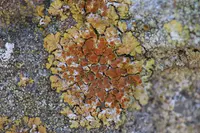
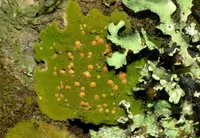
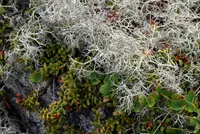
dust lichen Care (Lepraria incana)

Also known as: Common Dust Lichen
dust lichen

About dust lichen

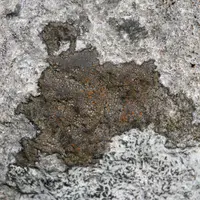
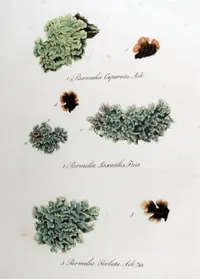
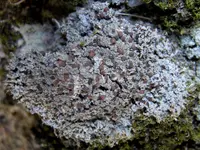
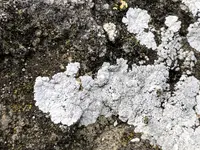
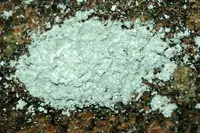
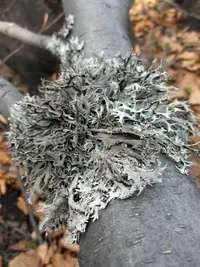
Dust lichen, Lepraria incana, is a crustose lichen, not a true plant, formed by a partnership between a fungus and photosynthetic algae. It creates soft, powdery, pale green to bluish-gray patches that spread like dust across bark, rocks, and shaded walls.

This species is common in cool, humid, and shaded habitats, especially in temperate forests and urban areas with clean to moderately clean air. It grows slowly and needs stable, moist surfaces, so it is not easy to cultivate indoors or on demand.

Those who want to learn how to care for dust lichen should focus on providing consistent shade, mild moisture, and undisturbed, slightly rough surfaces rather than regular pot culture.

Main Plant Requirements

Care Difficulty

Moderate Care

Light Preference

Shade

Water Requirements

Moderate Water

Temperature Preference

Cold Hardy

Hardiness Zone

3–8

Soil Texture

Rocky, Sandy, Loamy

Soil pH

Strongly acidic (4.5–5.5), Acidic (5.5–6.5)

Soil Drainage

Well-drained

Fertilization

Minimal (feed rarely)

Get Personalized Care Plan

Scan your plant to receive care tips personalized for your specific plant

Available on iOS and Android

How to Care for the dust lichen

This crustose lichen thrives in cool, shaded habitats with very low direct sun exposure.

  • Provide full shade to deep dappled shade; no more than 0.5–1 hour of weak early-morning sun, and avoid direct midday or afternoon sun entirely.
  • Grow on sheltered rock, bark, or soil faces where light is bright but indirect, such as north- or east-facing surfaces, to prevent bleaching and drying.
  • In summer, shield dust lichen from reflected heat and intense light; in winter, slightly more open but still indirect light is acceptable in leafless woodlands.

This lichen absorbs moisture from rain, fog, and humidity rather than from true roots.

  • Allow the substrate surface to dry fully between wettings; in cultivation, lightly mist only when the surface looks pale, brittle, or crisply dry, often every few days in dry weather.
  • Use very fast-draining, gritty or rocky substrates so water runs off within minutes; avoid standing water, which leads to decay and algae growth over the thallus.
  • Reduce misting in cool, damp seasons and increase gentle misting during hot, windy periods when Lepraria incana desiccates quickly and stays brittle for long periods.

This lichen is cold-hardy and tolerates a wide temperature range when moisture conditions are suitable.

  • Optimal active growth occurs around 40–70°F (4–21°C), especially in cool, moist seasons when surfaces stay damp for longer periods.
  • Tolerates winter cold down to about 5–10°F (-15 to -12°C) on stable rock or bark, provided freeze–thaw cycles are gradual rather than sudden.
  • Handles short hot spells up to 85–90°F (29–32°C) if shaded and allowed to dry between moisture events, but prolonged heat with intense sun can kill exposed patches.

This lichen needs consistently high humidity to maintain its powdery thallus and color.

  • Aim for 70–95% humidity, avoiding prolonged exposure below 50% which leads to drying and fading.
  • Low humidity causes the crust to become dull, brittle, and slow to recover after wetting.
  • Increase humidity by placing it in sheltered, moist microhabitats such as shaded rock pockets, mossy logs, or near constantly damp surfaces when caring for dust lichen.

Lepraria incana grows on substrates rather than true soil, but similar principles apply when placing it in a constructed habitat.

  • Use a coarse, mineral-based base such as sand, fine grit, or crushed rock with minimal organic matter.
  • Ensure very fast drainage so water runs off immediately, mimicking exposed rock or bark surfaces.
  • Maintain slightly acidic conditions (around pH 5.0–6.0) by avoiding lime and using acid-washed sand or inert rock chips.
  • Avoid compact, peat-heavy, or constantly wet mixes, which encourage algae and moss that overgrow and smother the lichen.

This species is only moderately suitable for container growing and performs best when the container mimics a stable rock or bark surface.

  • Fill the container mainly with inert rocks or bark slabs, using them as mounting surfaces rather than planting into loose substrate.
  • Choose a shallow, wide, heavy container to keep the delicate crust stable and prevent disturbance from tipping or movement.
  • Position the container so rain or mist wets the surface but excess water drains away instantly, preventing prolonged pooling around the lichen.

Lepraria incana typically grows on nutrient-poor bark, rock, or soil and does not need added fertilizer in normal conditions.

Lepraria incana requires almost no pruning, since it forms a self-sustaining crust-like mat.

In cultivation, dust lichen is best established by careful transplanting rather than frequent repotting.

  • Transplant small substrate pieces (bark, stone, or soil) already colonized by the lichen instead of disturbing individual thalli.
  • Carry out moves during mild, moist weather in spring or fall to reduce desiccation stress.
  • Avoid handling the lichen surface directly; move the whole substrate to the new site.
  • Keep the new site shaded, cool, and with steady moisture so the lichen can reattach and resume slow growth.

Propagation of Lepraria incana is slow and specialized, so it is rarely attempted by casual growers.

Lepraria incana is broadly cold hardy and usually needs no special winter care in temperate climates.

Care Tips

Substrate selection

Mount the lichen on inert, slightly rough materials such as weathered bark, stone, or unglazed clay tiles to mimic its natural habitat and reduce competition from mosses and algae.

Minimal handling

Avoid touching or compressing the thallus, since the powdery surface structure is easily damaged; instead, move its support slab or branch rather than the lichen itself whenever relocation is needed.

Airflow management

Place the colony where there is gentle, continuous air movement, such as near but not directly in front of a vent or open window, to keep the surface dry between wetting events and discourage mold growth.

Clean, low-nutrient water

Use rainwater or low-mineral filtered water for misting so that dissolved salts do not accumulate on the thallus surface and alter the low-nutrient conditions this species prefers when caring for dust lichen.

Competition control

Periodically check the substrate and carefully remove encroaching mosses, algae, or vascular plant seedlings with tweezers so the lichen retains access to light, air, and surface area.

Common Pests and Diseases

Air pollution damage

Symptoms include patchy bleaching, loss of the normal gray-green color, and reduced or stunted lichen growth on exposed surfaces. This disease reflects sensitivity of the lichen to sulfur dioxide, nitrogen oxides, and other urban or industrial pollutants.

Solution

Reduce exposure by avoiding collection from or placement in areas with heavy traffic, chimneys, or industrial emissions and move cultures to locations with cleaner air and good natural airflow. In outdoor or semi-natural settings, protection is mainly preventive; once tissue is damaged, allow new, clean thalli to recolonize suitable substrates under lower pollution levels.

Excessive shading decline

Symptoms include thinning, fading, and eventual disappearance of the dusty lichen layer on surfaces that become heavily shaded or overgrown by mosses or vascular plants. This condition develops gradually as light levels drop below what the photobiont algae can use for normal photosynthesis.

Solution

Maintain moderate, indirect light by lightly pruning overhanging vegetation or relocating loose substrate pieces to brighter but not sun-scorched positions. Avoid deeply shaded, permanently damp corners, and monitor growth over several months, as recovery and recolonization are slow in Lepraria incana care.

Snail and slug grazing

These pests rasp the lichen surface, leaving irregular bare patches, scraped areas, or slime trails on rocks, bark, or artificial substrates. Damage is often most visible after wet periods when mollusk activity is highest.

Solution

Hand-remove snails and slugs during damp evenings, and use physical barriers such as copper tape, rough gravel bands, or upside-down coarse mesh around key substrates. Avoid broad-spectrum molluscicides near lichens; instead, focus on habitat management such as reducing moist hiding places like dense ground litter right at the lichen edge.

Mite feeding damage

These insects create fine speckling, uneven texture, and tiny eroded spots in the powdery thallus, sometimes with very small dark droppings on the surface. This pest is more common on sheltered, dry, dusty sites where small arthropods can establish stable populations.

Solution

Increase gentle airflow and periodically rinse accessible substrates with a soft water spray to dislodge mites without scrubbing. For cultivation on removable pieces of bark or rock, brief immersion in clean water followed by thorough drying in airy shade helps reduce mite numbers while allowing the lichen to recover slowly.

Interesting Facts

Powdery crust growth

This lichen forms a fine, dust-like crust rather than leafy or shrubby structures, consisting of tiny granules of fungal and algal cells bound together into a loose, powdery thallus.

Nitrogen pollution indicator

It tolerates moderately polluted, nitrogen-enriched air and often becomes more abundant on tree bark and rocks in areas with increased atmospheric nitrogen, so its presence can reflect local air quality changes rather than pristine conditions.

Shade-loving colonizer

It commonly colonizes shaded, humid surfaces such as the bases of trees, old walls, and sheltered rocks, often forming extensive pale green to bluish-gray patches that outcompete more light-demanding lichens in these microhabitats.

Botan icon

Did you know?

This species frequently reproduces almost entirely by fragmentation of its powdery granules rather than by producing visible fruiting bodies, so many populations spread and persist for long periods without forming obvious sexual structures.

FAQs about dust lichen

Growth is slow. Under stable, moist, low-light conditions, crusts may expand only a few millimeters per year. Disturbance, dry air, or frequent handling can slow expansion further, so patience is essential when growing dust lichen.

Grow Healthy Plants with Botan Care

Keep your plants happy and healthy with plant identification, disease detection, and easy care guidance.

Botan plant care app — identify plants on mobile

Explore More Plants