Six-celled Moss Dot Lichen Care (Bilimbia sabuletorum)

Six-celled Moss Dot Lichen

About Six-celled Moss Dot Lichen

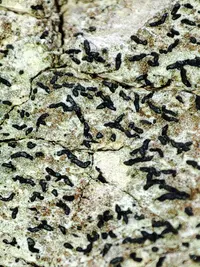
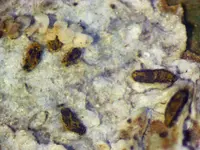
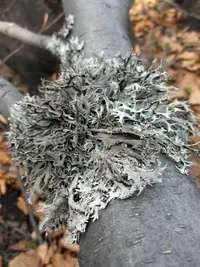
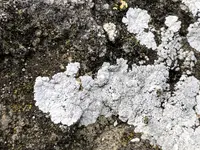
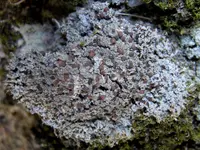
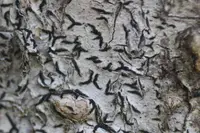
Bilimbia sabuletorum, commonly called six-celled moss dot lichen, is a small crustose lichen that forms thin, patchy growths on soil, moss, and plant debris. It appears as dull green to brownish patches with tiny dark fruiting dots when viewed closely.

This species occurs mainly in temperate regions, especially in Europe, often in humid, semi-shaded habitats with stable, undisturbed ground. It is slow growing and sensitive to pollution and physical disturbance, which makes it more suitable for patient growers interested in naturalistic terrarium or outdoor habitat projects.

Those who want to learn how to care for Six-celled Moss Dot Lichen should focus on consistent moisture, gentle airflow, and a low-nutrient, well-drained substrate that stays cool and shaded.

Main Plant Requirements

Care Difficulty

Moderate Care

Light Preference

Partial Shade

Water Requirements

Regular Water

Temperature Preference

Cool Climate

Hardiness Zone

5–9

Soil Texture

Sandy, Loamy, Rocky

Soil pH

Strongly acidic (4.5–5.5), Acidic (5.5–6.5)

Soil Drainage

Moist but well-drained

Fertilization

Minimal (feed rarely)

Get Personalized Care Plan

Scan your plant to receive care tips personalized for your specific plant

Available on iOS and Android

How to Care for the Six-celled Moss Dot Lichen

Bilimbia sabuletorum thrives in cool, soft light typical of shaded rocks and base-rich soils.

  • Aim for bright shade or dappled woodland light, with only 1–2 hours of weak morning sun and no direct afternoon sun to prevent bleaching and drying.
  • Site on north or east-facing surfaces where light stays indirect; deep shade slows growth, while strong full sun for 3+ hours can cause tissue desiccation.
  • In summer, protect from reflected heat and intense sun; in winter, bare-branch woodland light is acceptable if the surface does not dry out completely.

Moisture availability from rain and ambient humidity is more important than direct watering for this lichen.

  • In natural or outdoor settings, rely mainly on rainfall; only mist lightly during extended dry spells when the surface feels fully dry and crumbly.
  • Ensure the substrate drains well yet stays slightly moist, avoiding standing water, slimy surfaces, or algae growth, which indicate chronic overwatering.
  • Signs of underwatering include brittle, dull patches that stay pale after light misting; if this occurs, increase misting frequency slightly during hot, dry periods.

This lichen is adapted to cool to mild climates and tolerates moderate seasonal variation.

  • Optimal activity occurs around 45–65°F (7–18°C), with stable moisture; growth slows but usually persists across typical cool, temperate conditions.
  • It tolerates short drops near 20°F (-6°C) when attached to natural rock or soil, but repeated hard freezes with drying winds can damage exposed colonies.
  • Heat above 80°F (27°C), especially with low humidity, increases desiccation risk; provide shade and consistent surface moisture in hot, dry weather to limit stress.

This crustose lichen prefers consistently moist air but survives in a broad humidity range when its substrate does not fully dry out.

  • Aim for 50–80% humidity, avoiding prolonged periods below 40% that desiccate the thallus surface.
  • Tolerates short dry spells, but frequent crisping, pale patches, or cracking indicate humidity stress.
  • For caring for Six-celled Moss Dot Lichen, maintain moisture by misting surrounding surfaces or using a humid microhabitat, not direct heavy spraying.

This species naturally colonizes mineral, usually calcareous, substrates rather than true soil, so focus on a firm, gritty base with stable moisture and high aeration.

  • Use a shallow layer of very sandy, fine-gravel mix over a firm base rock or slab to mimic natural sandstone or limestone habitats for Bilimbia sabuletorum.
  • Keep drainage rapid by mixing sharp sand and fine grit at about 2:1, avoiding peat-heavy or compact mixes that retain standing water.
  • Maintain slightly alkaline conditions (pH 7.0–8.0) using crushed limestone chips or a small amount of garden lime blended into the top layer.
  • Avoid rich organic composts, dense loam, or clay, which reduce aeration and foster competing mosses that can overgrow the lichen.

This species can be grown in shallow containers or trays that mimic a rocky, well-drained habitat.

  • Choose a wide, shallow, heavy container that stabilizes the rock or slab and minimizes tipping in outdoor wind exposure.
  • Drill or verify multiple base drainage holes so surface water runs off quickly and never pools around the lichen substrate.
  • Elevate the container slightly on feet or spacers to improve airflow under the base, helping the rock and surface dry evenly between wet periods.

Bilimbia sabuletorum (Six-celled Moss Dot Lichen) typically grows on nutrient-poor substrates and does not need added fertilizer.

Pruning Bilimbia sabuletorum is rarely required and is usually limited to ecological or aesthetic management rather than plant health.

This lichen is usually established on bark, stone, or soil crusts, so care focuses on gentle transplanting rather than container repotting.

  • Transplant only when necessary, such as when a host surface will be disturbed or removed.
  • Choose a new site with similar light, moisture, and substrate texture to the original location.
  • Lift the lichen with its substrate intact, avoiding direct pulling on the thallus to limit stress.
  • Press the substrate firmly onto the new surface and keep conditions consistently humid until reattachment.

Propagation of this lichen is specialized, slow, and generally left to natural spread, so routine home propagation is not recommended.

This lichen is cold hardy across most temperate climates and generally needs no special winter care beyond habitat protection.

Care Tips

Use stable substrates

Establish colonies on chemically stable, low-nutrient surfaces such as siliceous rocks, old mortar, or unglazed brick, and avoid fresh concrete or treated wood that can leach lime or biocides that damage thalli.

Control competing mosses

Periodically trim or gently tease away faster-growing mosses and liverworts around the lichen patches so they do not shade or overgrow the relatively fine thallus.

Minimize handling

Avoid touching or brushing the lichen when cleaning nearby hardscape; use a soft artist’s brush or gentle air stream rather than water jets or scrubbing tools near established colonies.

Protect from runoff

Redirect roof drips, fertilizer-rich runoff, or de-icing salts so they do not flow over the lichen surface, since nutrient and salt pulses can kill sensitive tissues over time.

Seasonal moisture checks

In prolonged dry spells, especially on vertical or exposed substrates, lightly mist in the early morning on non-freezing days to keep thalli from extreme desiccation, which supports long-term stability when caring for Six-celled Moss Dot Lichen.

Common Pests and Diseases

Air pollution damage

Symptoms include bleaching, yellowing, or death of lichen thalli on surfaces exposed to traffic fumes or industrial emissions. This problem reflects the high sensitivity of the lichen to sulfur dioxide, nitrogen oxides, and fine particulates.

Solution

Reduce or avoid relocation of the lichen to areas with heavy traffic, chimneys, or other emission sources, and favor sites with cleaner air and good air movement. For caring for Six-celled Moss Dot Lichen in managed displays, place host substrates outdoors in low‑pollution gardens or naturalistic areas away from direct exhaust and smoke sources.

Shading by vascular plants

This issue appears as thinning, reduced color, and eventual loss of lichen patches under dense moss or higher plants that block light. Over time, heavy shading limits photosynthesis and weakens or kills the lichen.

Solution

Carefully trim or selectively remove overgrowing mosses, grasses, or small herbs around the lichen without disturbing the substrate surface. Maintain an open, but not exposed, light environment that mimics its natural partial light on soil or soil‑over‑rock surfaces.

Desiccation stress

Symptoms include brittle, shriveled thalli that recover very slowly or not at all after wetting during extended dry or wind‑exposed periods. Repeated severe drying can reduce growth and cause local dieback on the edges of colonies.

Solution

Position the substrate where it receives periodic natural moisture, such as gentle rainfall, humidity, or light splash from nearby watering, but avoid standing water or heavy soaking. Providing some shelter from strong, drying wind while keeping good air circulation helps stabilize moisture levels without creating stagnant conditions.

Substrate disturbance

This problem shows as broken, detached, or patchy lichen cover after trampling, scraping, or soil erosion. Physical disruption of the thin soil or sandy substrate quickly destroys the small, superficial thalli.

Solution

Protect the area from foot traffic, digging, and brushing by using stones, edging, or signage if in a garden or educational setting. Handle the substrate very gently, avoid raking or sweeping over the colonies, and stabilize loose soil with low‑impact barriers rather than compaction.

Interesting Facts

Very specific habitat

This lichen is strongly associated with calcareous substrates such as basic sand, mortar, and base-rich soil, and is most often found in open, disturbed sites like paths, old walls, and nutrient-rich soil in lowland areas of Europe.

Tiny apothecia clusters

It forms small, often crowded apothecia (disk-like fruiting bodies) that are usually yellow-brown to olive-brown and slightly glossy, which helps field lichenologists separate it from superficially similar soil-dwelling lichens.

Nitrogen-enriched indicator

Populations are often linked with mildly nitrogen-enriched conditions, such as soil influenced by human activity or animal presence, so its occurrence can act as a rough indicator of moderate nutrient input in its microhabitat.

FAQs about Six-celled Moss Dot Lichen

Growth is very slow. This lichen usually extends only a few millimeters per year, depending on moisture, light, and air quality. It often takes many years to noticeably increase in patch size on a given substrate.

Grow Healthy Plants with Botan Care

Keep your plants happy and healthy with plant identification, disease detection, and easy care guidance.

Botan plant care app — identify plants on mobile

Explore More Plants