Alyxoria varia Care

Alyxoria varia

About Alyxoria varia

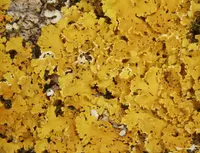
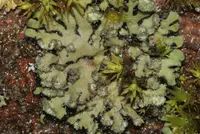
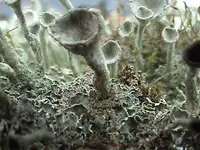
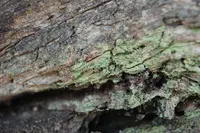
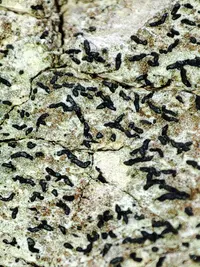
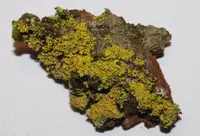
Alyxoria varia is a crustose lichen, not a traditional leafy houseplant. It forms thin, crust-like patches tightly attached to bark or rock surfaces. The surface is usually pale to grayish with small dark fruiting structures that release spores.

This species occurs mainly in temperate regions, often on the bark of trees in relatively clean, humid air. It grows slowly and is sensitive to pollution, so it is not commonly cultivated indoors. Those who care for Alyxoria varia focus on providing stable, cool conditions with clean air and moderate moisture, often in specialized collections or terraria.

Main Plant Requirements

Care Difficulty

Moderate Care

Light Preference

Partial Shade

Water Requirements

Moderate Water

Temperature Preference

Warm Climate

Hardiness Zone

Unknown

Soil Texture

Loamy

Soil pH

Slightly acidic (6.5–7.0)

Soil Drainage

Well-drained

Fertilization

Minimal (feed rarely)

Get Personalized Care Plan

Scan your plant to receive care tips personalized for your specific plant

Available on iOS and Android

How to Care for the Alyxoria varia

This lichen prefers stable, indirect light similar to bright woodland or shaded rock faces.

  • Provide bright, filtered light or open shade with dappled sun, avoiding harsh, direct midday exposure that can desiccate the thallus surface.
  • Aim for 2–4 hours of gentle morning sun and bright shade the rest of the day; deep shade slows growth and can reduce Alyxoria varia reproductive structures.
  • On exposed sites, shield from intense summer sun using overhanging rocks, nearby shrubs, or 30–40% shade cloth to limit bleaching and cracking.

Water needs focus on maintaining steady surface moisture without saturation.

  • Allow the surface substrate to dry lightly between wetting; re-wet when the top 2–3 mm of bark, rock, or soil feels dry and pale rather than dark and moist.
  • Instead of a fixed schedule, use weather cues: increase misting or gentle soaks after hot, windy days and reduce inputs during cool, humid periods.
  • Avoid standing water or waterlogged substrates, which promote rot and algae overgrowth; overwatered patches may look slimy, while underwatered areas become brittle and fragment easily.

This species handles a fairly wide temperature range but reacts to extremes in combination with light and moisture.

  • Target an active growth range of about 50–77°F (10–25°C), where hydration and light conditions support steady metabolism without thermal stress.
  • Short dips to around 23°F (-5°C) are often tolerated when the lichen is dry, but repeated freezing when fully wet can damage tissues and reduce coverage.
  • Sustained heat above 86°F (30°C), especially in full sun, increases desiccation risk; provide shade and maintain intermittent moisture films during hot, dry periods.

This species generally tolerates a broad humidity range if roots stay evenly moist.

  • Target 40–60% humidity; it copes with brief dips lower if not exposed to hot, drying drafts.
  • Dry air may cause slower growth, curled or brittle margins, and faster substrate drying that stresses the thallus or tissues.
  • Increase humidity locally with a nearby open tray of water and stones or by grouping moisture-loving plants without enclosing the plant in an unventilated cover.

Alyxoria varia grows best on a stable, well-aerated, mineral-rich substrate that does not stay waterlogged.

  • Use a gritty mix such as 50–60% mineral material (fine gravel, sand, or crushed stone) combined with 40–50% low-organic binder like sifted compost or clay-rich loam to anchor growth.
  • Ensure very sharp drainage so water runs through in seconds; the surface should dry quickly between waterings to prevent rot and moss overgrowth.
  • Aim for slightly acidic to neutral reaction, around pH 6.0–7.0, avoiding strongly alkaline or saline conditions that limit nutrient availability.
  • Improve aeration and structure by adding coarse sand or small gravel and avoiding high-peat or heavy, compacting substrates that seal the surface.

This species can be maintained in containers if the setup mimics a thin, well-drained crust on rock or bark.

  • Use a shallow, wide container so the substrate forms a thin layer that dries from the surface rather than a deep, moisture-holding column.
  • Line the pot bottom with a coarse mineral layer to keep fine particles from clogging drainage holes under frequent light watering.
  • Choose unglazed clay or another porous material so moisture evaporates steadily and prevents prolonged saturation at the substrate interface.

This lichen-like species gains most nutrients from rain and substrate and usually does not need supplemental feeding in gardens or containers.

Pruning needs for Alyxoria varia are minimal and mainly hygienic, aimed at maintaining host structure rather than the lichen itself.

Transplanting focuses on moving the host substrate supporting this crustose lichen rather than handling the organism directly.

  • Transplant only when the underlying bark, rock, or branch must be moved or replaced, not on a fixed schedule.
  • Choose mild weather in spring or early autumn so temperature and moisture remain stable.
  • Move the whole substrate with minimal disturbance, keeping the lichen surface facing the same light exposure.
  • Avoid scraping, washing, or brushing the colony, which damages the thallus and slows recovery.

Propagation of this lichen is slow and specialized, so it is rarely attempted by home growers and is best left to natural dispersal.

This species is naturally cold hardy and generally requires no dedicated winter care in outdoor settings.

Care Tips

Monitor substrate stability

Secure the lichen-bearing substrate (bark, stone, or wood) so it does not shift or vibrate, since mechanical disturbance can damage the slow-forming thallus and set growth back for years.

Control surface contamination

Periodically check for accumulating dust, algae, or soot on the lichen surface and very gently rinse with low-pressure, chlorine-free water if buildup starts to block light penetration.

Avoid chemical drift

Keep the colony far from pesticide sprays, cleaning products, and fertilizer mist, since even light chemical drift can burn the thallus and disrupt the algae and fungi partnership essential for Alyxoria varia care instructions.

Manage companion growth

Trim or thin nearby mosses, aggressive lichens, or vascular plants that begin to overgrow the thallus so that air movement and light at the lichen surface remain consistent.

Record microclimate changes

Keep simple notes on location, exposure, and any changes in nearby structures or vegetation, since tracking these microclimate shifts helps diagnose slow decline in long-established patches.

Common Pests and Diseases

Lichenicolous fungi

This disease appears as small dark spots, swellings, or deformed patches on the lichen thallus. Symptoms include local discoloration, slight crust breakdown, and reduced growth of the host lichen.

Solution

Remove and discard heavily colonized fragments to limit spread, and avoid prolonged surface wetting to reduce fungal development. Maintain good air circulation around the substrate and, where practical, keep the microhabitat closer to natural outdoor conditions rather than overly humid, stagnant air environments often used in Alyxoria varia indoor care.

Mite infestations

These insects are actually tiny arachnids that feed on the lichen surface, causing pale, stippled, or roughened patches. Symptoms include very fine webbing and a dusty appearance on the crust when populations are high.

Solution

Increase ambient humidity slightly and use a strong, lukewarm water stream or soft brush to dislodge mites without damaging the crust. Improve airflow and, if needed, use a targeted acaricide labeled for use on non-vascular plants or hard surfaces, testing on a small area first to avoid bleaching.

Algal overgrowth

This disease-like condition shows as bright green, often slippery films that overrun the normal gray or pale lichen surface. Symptoms include loss of the original crust texture and patchy dieback where algae shade and smother the lichen tissue.

Solution

Gently scrub the substrate and affected areas with a soft brush and clean water to reduce algal biomass, taking care not to detach stable lichen areoles. Reduce constant surface moisture, improve drainage and air movement, and avoid nutrient-rich splashes, such as runoff from fertilized soil, which favor algae rather than the lichen.

Interesting Facts

Crustose lichen lifestyle

Alyxoria varia forms a thin, crust-like thallus tightly attached to bark or wood, making it difficult to separate from its substrate without damage.

Distinctive black fruiting bodies

This species produces elongated, often slightly curved black ascomata (spore-bearing structures) that typically break through the surface layer of bark, giving host trees a finely scribbled or cracked appearance.

Wide host and habitat range

It is frequently found on the bark of a broad range of deciduous trees, especially in nutrient-enriched or slightly disturbed habitats, which contributes to its relatively widespread occurrence in temperate regions.

FAQs about Alyxoria varia

This lichen grows very slowly, often only small millimeters of expansion per year. Growth rate depends on clean air, stable moisture, and low disturbance. It is not suitable for those wanting quick visual changes in a garden setting.

Grow Healthy Plants with Botan Care

Keep your plants happy and healthy with plant identification, disease detection, and easy care guidance.

Botan plant care app — identify plants on mobile

Explore More Plants