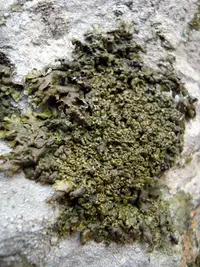
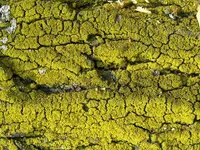
lemon lichen Care (Candelaria concolor)

Also known as: Candleflame Lichen
lemon lichen

About lemon lichen

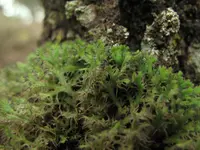
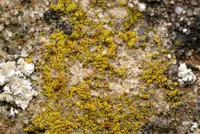
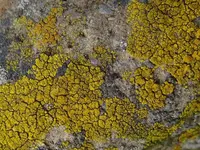
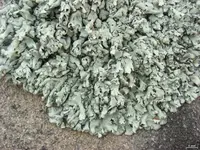
Lemon lichen, Candelaria concolor, is a small, foliose lichen rather than a true plant. It is a symbiosis between a fungus and algae. It forms bright yellow to yellow-green patches on tree bark, rocks, and old wood, often creating a fine, somewhat leafy texture. In nature it is common in temperate regions of North America and parts of Europe, especially in areas with clean air. This species is slow-growing and sensitive to heavy pollution, which can make cultivation challenging. Those who want to care for lemon lichen should focus on stable, cool conditions with gentle light, consistent humidity, and a rough, well-drained surface rather than regular potting soil.

Main Plant Requirements

Care Difficulty

Moderate Care

Light Preference

Partial Shade

Water Requirements

Regular Water

Temperature Preference

Cold Hardy

Hardiness Zone

3–9

Soil Texture

Rocky, Organic-rich

Soil pH

Acidic (5.5–6.5)

Soil Drainage

Moist but well-drained

Fertilization

Minimal (feed rarely)

Get Personalized Care Plan

Scan your plant to receive care tips personalized for your specific plant

Available on iOS and Android

How to Care for the lemon lichen

This lichen prefers bright, indirect light and stable outdoor exposure on bark, rocks, or old wood.

  • Provide 3–6 hours of soft morning sun or dappled light; avoid intense, direct midday sun that can dry and bleach lemon lichen.
  • Tolerates partial shade under open tree canopies, but dense shade for most of the day reduces growth and dulls its yellow color.
  • In summer, protect from prolonged hot afternoon sun; in winter, unobstructed light helps photosynthesis as long as the substrate does not overheat or dry excessively.

Candelaria concolor absorbs water directly from rain, fog, and surface moisture rather than from soil.

  • Favor natural wet–dry cycles; in cultivation or observation sites, allow surfaces to dry completely between gentle mistings instead of soaking.
  • In mild, humid seasons, extra watering is rarely needed; during extended dry spells, light misting every few days restores flexibility and color without saturating surfaces.
  • Signs of stress include brittle, shriveled lobes from drought, or dark, slimy, peeling patches from persistent over-wetting and poor air movement.

This lichen is adapted to wide outdoor temperature swings but has limits at the extremes.

  • Optimal activity occurs around 50–75°F (10–24°C), when moisture and light are balanced for photosynthesis and slow growth.
  • Tolerates winter cold down to about 5–10°F (-15 to -12°C) on stable substrates, but repeated freeze–thaw with ice formation can damage tissue.
  • Handles short heat spells up to 90–95°F (32–35°C) if humidity is moderate; prolonged hot, dry conditions cause desiccation and fading, especially on exposed surfaces.

This lichen tolerates a wide humidity range but performs best in consistently moist air.

  • Target 50–80% humidity, similar to humid outdoor air in mild coastal or woodland climates.
  • It tolerates short dry spells, but prolonged air below 40% leads to bleaching, brittleness, and reduced growth.
  • Increase local humidity by misting nearby surfaces, placing it over damp gravel, or positioning it away from strong drying airflow when caring for lemon lichen.

Candelaria concolor anchors on surfaces rather than rooting in soil, but a substrate can support mounting and moisture balance.

  • Use a very lean, gritty substrate such as 2 parts coarse sand or fine gravel to 1 part crushed bark or perlite, mimicking rocky bark habitats.
  • Ensure extremely sharp drainage so water drains within seconds and the substrate never stays saturated or compacted.
  • Keep pH roughly neutral to slightly acidic (pH 6.0–7.0) by avoiding lime-heavy materials and using inert mineral components.
  • Improve aeration by using shallow, open trays or mesh over the substrate, avoiding dense organic mixes that hold continuous moisture.

This species can be grown in shallow containers mainly as a mounted or display lichen rather than a rooted plant.

  • Choose wide, shallow trays to spread the thalli and prevent water pooling around any single patch.
  • Use clay or other porous materials so brief wetting dries quickly, reducing the risk of prolonged saturation.
  • Elevate the container slightly so runoff escapes freely and air circulates underneath the mounting surface.

Candelaria concolor, a crustose lichen, normally requires no fertilization when growing on healthy bark or rock.

Candelaria concolor does not need conventional pruning, but small interventions can maintain host surfaces and appearance.

  • Carry out any cleaning in late winter or early spring, when growth is slow and conditions are cool and dry.
  • Gently remove only clearly dead, crumbling, or blackened patches; leave firm, well-attached lobes untouched.
  • Use a soft brush or wooden stick rather than blades to avoid damaging living tissue and host bark.
  • Minimize disturbance, since over-cleaning can reduce overall lichen cover and ecological value.

This lichen is not grown in pots; management focuses on transplanting small pieces to suitable outdoor substrates.

  • Transplant in cool, moist weather in spring or fall to reduce desiccation stress on Candelaria concolor thalli.
  • Select pesticide-free host bark, old branches, or stable rocks with similar light and moisture to the original site.
  • Gently press small lichen fragments onto the new surface using biodegradable ties or mesh, avoiding tight constriction.
  • Keep the area shaded and evenly moist for several weeks so the lichen can reattach and resume slow growth.

Propagation of this lichen is usually done by moving small thallus fragments rather than by seed-like structures.

  • Choose healthy, well-colored patches and lift small flakes or crust pieces using a blunt knife or tweezers.
  • Best results occur in cool, humid seasons such as early spring or fall, which limit drying stress.
  • Place fragments onto similar bark or rock, aligning the underside with the new surface for faster anchoring.
  • Maintain gentle humidity and good air movement, avoiding direct, intense sun while the fragments establish.

Established lemon lichen typically tolerates normal outdoor winter conditions in temperate regions without special care.

Care Tips

Host surface choice

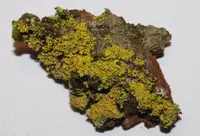
Attach lemon lichen fragments only to stable, non-polluted substrates such as unsealed hardwood, natural cork, or rough stone, since many treated woods, painted surfaces, and metals can leach chemicals that inhibit growth.

Minimal handling practice

Use clean, dry tweezers instead of fingers when positioning thalli so oils and moisture from skin do not damage the delicate upper surface or introduce contaminants.

Airflow optimization

Place displays where there is gentle, regular air movement from a vent or small fan rather than stagnant corners, which helps dry the thalli evenly after misting and reduces mold risk.

Controlled hydration cycles

If attempting lemon lichen indoor care, allow the thalli to fully dry between light mistings and occasionally leave them dry for several days, which mimics natural wet–dry cycles and supports long-term resilience.

Pollution avoidance

Keep this lichen away from kitchens with gas stoves, garages, or areas exposed to cigarette smoke, since its high sensitivity to air pollutants can cause bleaching and gradual dieback.

Common Pests and Diseases

Sulfur dioxide damage

Symptoms include bleaching, whitening, or dulling of the usually bright yellow thallus on exposed surfaces, often with dead, gray patches on the windward side of trees or rocks. This damage is commonly linked to industrial or urban air pollution with high sulfur levels.

Solution

Reduce exposure by avoiding collection or placement of lemon lichen in areas with heavy traffic emissions or industrial pollution, and favor sites with good air circulation and distance from direct exhaust sources. Over time, relocating affected material to cleaner air can allow surviving parts of the lichen to recover and resume growth, though severely necrotic patches will not regenerate.

Nitrogen deposition stress

This disease state appears as overgrowth by darker, nitrogen-tolerant lichens or algae and a gradual thinning, discoloration, or loss of the lemon lichen on nutrient-enriched bark or stone. This often occurs near agricultural fields, fertilized lawns, or areas receiving concentrated bird droppings or other nitrogen inputs.

Solution

Limit nitrogen exposure by avoiding placement directly above fertilized soil, lawns, or manure-rich areas, and choose host trees or substrates in cleaner air zones where possible. If feasible, gently remove heavy organic deposits and reduce local fertilizer drift so that the lichen community can stabilize with more balanced nutrient levels, supporting better Candelaria concolor care instructions overall.

Soot and dust fouling

This problem presents as a dull, gray, or black film over the yellow surface, reducing photosynthesis and sometimes leading to dieback of the outer lobes. The coating often comes from urban soot, chimney smoke, road dust, or nearby construction activity.

Solution

If lemon lichen is being monitored or conserved, gently rinse reachable thalli with clean water using a soft spray, avoiding strong pressure that can detach it from bark or stone. Improving local conditions by reducing nearby dust sources or redirecting exhaust and airflow away from the lichen surface helps prevent reaccumulation and supports healthier growth.

Bark beetle associated decline

This issue occurs when the host tree suffers bark beetle attack, leading to bark loss, cracking, and microhabitat changes that indirectly cause thinning or disappearance of lemon lichen. The lichen itself is not eaten by the beetles but declines as its substrate becomes unstable or dies.

Solution

Monitor host trees for early signs of bark beetle activity such as boring dust or exit holes and consult a certified arborist for tree-specific treatment. Protecting or stabilizing the host tree, or selecting alternative healthy trees or substrates in nearby areas, helps maintain viable sites for growing lemon lichen in managed landscapes or monitoring plots.

Interesting Facts

Urban air quality indicator

This small foliose lichen is notably tolerant of moderate air pollution and often survives on urban trees and fences, so its presence can indicate environments with at least partially improved air quality compared with heavily polluted city centers.

Nitrogen enrichment specialist

Candelaria concolor is frequently associated with nitrogen-enriched habitats such as areas affected by bird droppings or agricultural emissions, reflecting its ability to exploit slightly elevated nitrogen levels that would harm many more sensitive lichens.

Bright UV protection pigments

The intense yellow coloration comes from lichen secondary metabolites that act as sunscreens, helping the symbiotic algae in the thallus cope with high light and ultraviolet exposure on exposed bark and rock surfaces.

Botan icon

Did you know?

Molecular studies have shown that material once treated as Candelaria concolor actually contains more than one evolutionary lineage, and some collections in Europe and North America have been reassigned to closely related but distinct species as lichen taxonomy has been revised using DNA data.

FAQs about lemon lichen

Growth is quite slow. In natural conditions, this species often adds only a few millimeters per year. Rate depends on clean air, stable moisture, and suitable substrate such as bark, rock, or old wood.

Grow Healthy Plants with Botan Care

Keep your plants happy and healthy with plant identification, disease detection, and easy care guidance.

Botan plant care app — identify plants on mobile

Explore More Plants